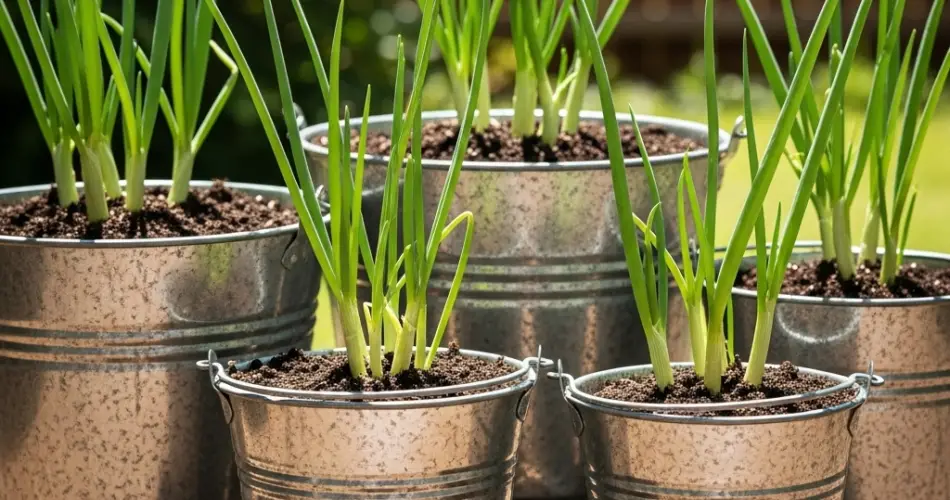
Scallions, also known as green onions, are versatile, flavorful, and easy-to-grow vegetables that thrive in containers. Perfect for small spaces like balconies, patios, or kitchen windowsills, container-grown scallions allow gardeners to enjoy fresh greens year-round. With the right containers, soil preparation, and care, you can grow scallions from seed to harvest successfully, providing a continuous supply of crisp, aromatic stalks for your cooking.
Why Grow Scallions in Containers?
Container gardening is ideal for scallions due to their shallow root systems and compact growth habit. Growing them in pots gives you control over soil quality, drainage, and nutrient availability. It also protects the plants from common garden pests and reduces the risk of soil-borne diseases. Containers are particularly convenient for small-space gardeners, allowing for vertical arrangements, succession planting, and easy access for harvesting.
Choosing the Right Containers
Selecting the appropriate container is essential for healthy scallion growth. Scallions have shallow roots, so a pot 6–8 inches deep is usually sufficient. The container should be wide enough to accommodate multiple plants, ideally 12 inches or more in diameter, to allow for proper spacing. Materials such as plastic, ceramic, or clay are suitable, but ensure that your pot has adequate drainage holes. Good drainage prevents waterlogging, which can lead to root rot and stunted growth.
Preparing the Soil Mix
Healthy, well-draining soil is key to thriving scallions. A fertile soil mix ensures proper root development and supports continuous leaf growth. A recommended container soil mix includes:
-
50% loamy garden soil or topsoil: Provides structure and essential minerals.
-
30% compost or well-rotted organic matter: Improves fertility, moisture retention, and microbial activity.
-
20% perlite, coarse sand, or vermiculite: Enhances drainage and prevents soil compaction.
Mix the components thoroughly and lightly moisten the soil before planting seeds or seedlings. Avoid heavy clay soils that retain excess water, as they can inhibit root growth and reduce yield.
Planting Scallions
Scallions can be grown from seeds, sets, or small seedlings. For seeds, sow them about ¼ inch deep and 1 inch apart, keeping the soil consistently moist until germination, which usually takes 7–14 days. Once seedlings are established, thin them to 2–3 inches apart to give each plant enough room to grow. Sets or seedlings should be planted at the same depth they were growing previously, spaced similarly. Proper spacing ensures good airflow and reduces the risk of disease.
Sunlight and Growing Conditions
Scallions thrive in full sun but tolerate partial shade, making them adaptable for container gardening. Aim for at least 4–6 hours of sunlight daily to encourage steady growth. In warmer climates, partial afternoon shade can prevent leaf scorching and bolting. Containers can be moved to catch optimal light or to protect plants during extreme temperatures, ensuring consistent development.
Watering and Mulching
Consistent moisture is critical for container-grown scallions. The soil should remain evenly moist but not soggy, as overwatering can cause root rot. Containers dry out faster than garden beds, so check soil moisture regularly and water as needed. Mulching the soil surface with straw, shredded leaves, or organic material helps retain moisture, regulate temperature, and suppress weeds, supporting healthy growth and vibrant leaves.
Fertilization and Nutrient Management
Scallions benefit from a balanced supply of nutrients, particularly nitrogen, which promotes leafy growth. Incorporate a slow-release organic fertilizer or compost into the soil at planting. During the growing season, supplement with liquid fertilizer or compost tea every two to three weeks to maintain nutrient levels. Avoid excessive fertilization, as too much nitrogen can lead to lush foliage but weak stalks.
Pest and Disease Management
Container-grown scallions are generally resilient, but occasional issues may occur. Common pests include aphids and thrips, while fungal diseases such as downy mildew can affect the leaves in humid conditions. Inspect plants regularly, remove any affected foliage, and use organic pest control methods like neem oil or insecticidal soap when necessary. Proper spacing, adequate drainage, and good airflow reduce most problems.
Harvesting Scallions
Scallions can be harvested once they reach 6–8 inches in height. For continuous production, pick the outer stalks and allow the inner shoots to keep growing. This cut-and-come-again method encourages ongoing leaf production and provides a steady supply of fresh scallions. Mature plants can produce greens for several months if cared for properly.
Conclusion
Growing scallions in containers is a practical and rewarding approach for small-space gardeners. By selecting appropriate pots, preparing nutrient-rich, well-draining soil, and providing consistent care—including sunlight, watering, and fertilization—you can grow scallions successfully from seed to harvest. Container gardening allows for flexibility, continuous production, and easy access to fresh, homegrown scallions, adding both flavor and nutrition to your meals.


