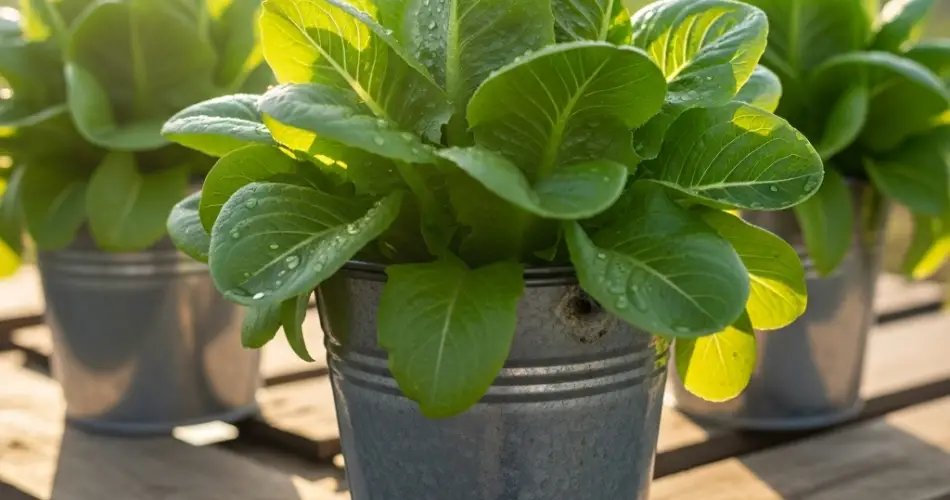
Growing lettuce in pots is an ideal solution for gardeners with limited space or urban dwellers who want fresh, homegrown greens. Lettuce is a cool-season crop that thrives in containers, allowing for easy harvesting and consistent production throughout the growing season. However, maintaining crisp, tender leaves requires careful attention to temperature, watering, and sunlight. Understanding how to keep lettuce cool in pots ensures healthy, flavorful greens for your salads and meals.
Choosing the Right Container
The first step in successful container lettuce gardening is selecting an appropriate pot. Containers should be at least 6–8 inches deep to allow room for root development. Wider pots are preferable for loose-leaf varieties, as they provide more space for multiple plants. Ensure the container has drainage holes to prevent water from pooling, which can lead to root rot and stress the plants.
Light-colored pots are beneficial in warm climates because they reflect sunlight and help maintain cooler soil temperatures. Dark-colored containers may absorb heat, causing the roots to overheat and the leaves to wilt.
Selecting Lettuce Varieties
Different lettuce varieties have varying tolerance to heat. Loose-leaf types, butterhead, and romaine are popular choices for container gardening. Loose-leaf varieties are especially well-suited for pots because they mature quickly and can be harvested continuously. Heat-tolerant varieties such as ‘Green Star,’ ‘Jericho,’ or ‘Red Sails’ can also be grown in warmer months to maintain crispness and flavor.
Preparing the Soil
Lettuce prefers well-draining, nutrient-rich soil. A high-quality potting mix supplemented with compost or organic matter provides essential nutrients while retaining adequate moisture. Avoid heavy garden soil, which may compact in containers, restricting root growth and water absorption. Mixing in perlite or vermiculite improves aeration and drainage, keeping the roots healthy and soil temperatures more consistent.
Planting and Spacing
Plant lettuce seeds or seedlings according to the variety’s recommended spacing. For loose-leaf types, sow seeds about half an inch deep and thin seedlings to 2–4 inches apart once they emerge. Proper spacing allows for adequate airflow, reducing the risk of disease and ensuring each plant receives sufficient sunlight and nutrients.
Watering for Crisp Leaves
Consistent watering is essential for maintaining cool, crisp lettuce. Lettuce has shallow roots, so the soil in containers can dry out quickly, especially in warm weather. Water the plants regularly to keep the soil evenly moist but avoid waterlogging, which can lead to root rot. Early morning watering is ideal, as it allows leaves to dry during the day, preventing fungal issues.
Using a watering can or drip system ensures even moisture distribution. Mulching the soil surface with straw or shredded leaves can help retain soil moisture and regulate temperature, keeping the roots cooler during hot days.
Temperature Management
Lettuce is a cool-season crop that prefers temperatures between 60–70°F (15–21°C). Excessive heat can cause leaves to wilt, bolt, or develop a bitter taste. To protect container-grown lettuce in warmer weather:
-
Provide Shade: Place pots in a location with partial shade during the hottest part of the day or use shade cloth to reduce direct sunlight.
-
Use Multiple Small Pots: Smaller containers can be moved to cooler areas as needed, allowing flexibility in temperature management.
-
Elevate Pots: Placing pots on stands or shelves improves airflow around the roots and prevents soil from overheating.
Fertilization and Care
Regular feeding supports healthy, tender leaves. Use a balanced, water-soluble fertilizer every 2–3 weeks, following package instructions for dilution. Avoid over-fertilization, which can result in overly lush leaves that are more susceptible to pests and bolting.
Remove any damaged or yellowing leaves promptly to prevent disease and encourage new growth. Continuous harvesting of outer leaves stimulates fresh growth and prolongs the productive life of the plant.
Benefits of Container Lettuce Gardening
Growing lettuce in pots allows gardeners to enjoy fresh, crisp greens year-round while maintaining control over soil quality, temperature, and watering. Container gardening also reduces the risk of soil-borne diseases, pests, and weeds. With proper care, potted lettuce can produce multiple harvests, offering convenience and fresh flavor for home cooking.
By selecting the right container and variety, maintaining consistent moisture, and protecting plants from excessive heat, you can keep lettuce cool, crisp, and flavorful throughout the season. Container-grown lettuce provides a reliable source of fresh greens, turning even the smallest spaces into productive and enjoyable gardens.


