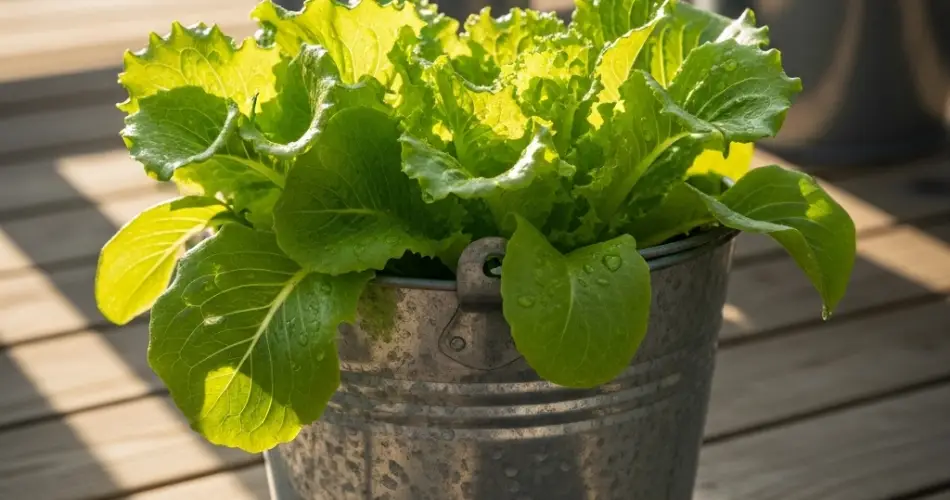
Growing fresh, crisp lettuce at home is both rewarding and convenient, especially when space is limited. Bucket planting offers an effective solution for gardeners who want a steady supply of homegrown greens without the need for a traditional garden bed. With proper care, lettuce grown in buckets can provide multiple harvests throughout the season, making it a practical and sustainable choice for any home gardener.
Why Use Buckets for Lettuce
Container gardening offers several advantages when growing lettuce:
-
Space-saving – Buckets allow you to grow lettuce on patios, balconies, or even indoor areas with sufficient sunlight.
-
Mobility – Move buckets to follow sunlight patterns or protect plants from harsh weather conditions.
-
Soil control – Using buckets lets you provide nutrient-rich, well-draining soil that supports healthy growth.
-
Pest management – Containers make it easier to monitor and control pests such as aphids or slugs.
By using buckets, you can maintain a productive lettuce crop year-round while keeping your growing area organized and manageable.
Step 1: Choosing the Right Bucket
Selecting an appropriate container is the first step in successful lettuce cultivation:
-
Size – A bucket with at least 5 gallons (19 liters) of soil is ideal for lettuce, giving the roots room to develop.
-
Drainage – Drill several holes in the bottom to prevent water from pooling, which can lead to root rot.
-
Material – Plastic, metal, or recycled buckets work well. Ensure the container is sturdy enough to hold soil and moisture over time.
Proper bucket selection helps ensure healthy root growth and consistent harvests.
Step 2: Preparing the Soil
Lettuce grows best in loose, nutrient-rich, well-draining soil:
-
Soil mix – Combine garden soil, compost, and perlite or coarse sand in equal parts. This mixture retains moisture while providing aeration.
-
Soil pH – Lettuce prefers slightly acidic to neutral soil, with a pH between 6.0 and 7.0.
-
Fertilization – Incorporate a slow-release, balanced fertilizer into the soil before planting to support early growth and continuous leaf production.
A well-prepared soil mix ensures vigorous, healthy plants and abundant leaves.
Step 3: Planting Lettuce
Lettuce can be planted from seeds or seedlings:
-
Seeds – Sow seeds directly into the bucket at a depth of about 1/4 inch (0.6 cm). Keep the soil moist until germination, which usually occurs within 7–10 days.
-
Seedlings – Transplant 3–4 week-old seedlings into the bucket, spacing them 6–8 inches apart to allow room for growth.
-
Succession planting – For continuous harvests, sow new seeds every 2–3 weeks. This staggered planting ensures a steady supply of fresh leaves throughout the season.
Proper planting and spacing reduce overcrowding and help prevent disease.
Step 4: Watering
Lettuce requires consistent moisture to thrive:
-
Initial watering – Water thoroughly after planting to settle the soil around roots.
-
Ongoing routine – Keep the soil evenly moist, but avoid waterlogging. Check daily, especially during hot weather, as lettuce has shallow roots that can dry quickly.
-
Watering technique – Water at the soil level to prevent wet leaves, which can lead to fungal diseases.
Balanced watering supports tender, crisp leaves and healthy growth.
Step 5: Sunlight and Placement
Lettuce prefers cool, indirect sunlight:
-
Light requirements – Place the bucket in a location with at least 4–6 hours of indirect sunlight daily. Too much direct sun can cause leaves to bolt (flower prematurely) and become bitter.
-
Temperature – Ideal growing temperatures are between 60–70°F (15–21°C). If conditions are too hot, move buckets to a partially shaded area.
Proper light exposure ensures tender, flavorful leaves.
Step 6: Fertilization and Maintenance
Maintaining nutrient levels is essential for continuous harvests:
-
Feeding – Apply a balanced liquid fertilizer every 2–3 weeks during the growing season to support leaf production.
-
Mulching – A thin layer of organic mulch helps retain soil moisture and reduces temperature fluctuations.
-
Pest monitoring – Inspect leaves regularly for aphids, slugs, or snails, and remove them promptly.
Regular care promotes healthy growth and multiple harvests from the same planting.
Step 7: Harvesting Lettuce
Harvesting correctly ensures continuous production:
-
Cut-and-come-again method – Trim outer leaves as needed, leaving the inner leaves intact. This allows the plant to keep producing fresh leaves.
-
Timing – For baby greens, harvest leaves once they reach 2–3 inches. For mature heads, wait until they form compact rosettes.
-
Frequency – Regular harvesting encourages new growth and prevents the plant from flowering too early.
With careful harvesting, lettuce can provide a steady supply of fresh greens for several weeks.
Final Thoughts
Bucket planting is an efficient and practical way to grow lettuce at home. By selecting the right container, preparing nutrient-rich soil, providing consistent water, monitoring sunlight, and maintaining regular care, gardeners can enjoy fresh, crisp leaves from a small space.
Continuous planting and careful harvesting ensure a steady supply of homegrown lettuce, making bucket gardening an ideal solution for anyone seeking fresh, healthy greens without a traditional garden. With these techniques, your home can produce delicious, vibrant lettuce year-round.


