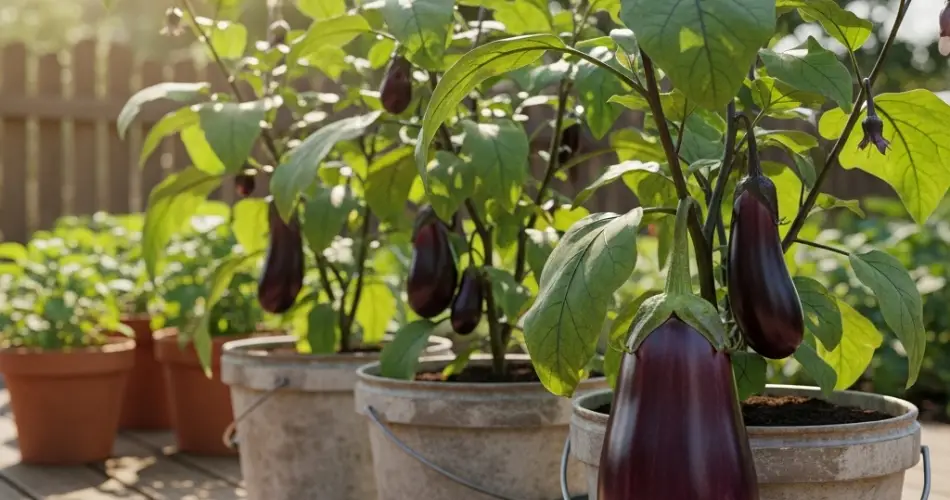
Growing eggplants in potted buckets is an ideal solution for home gardeners with limited space. Whether on a balcony, patio, or small backyard, containers allow you to enjoy fresh, homegrown eggplants without the need for a large garden. From starting seeds to harvesting mature fruits, this step-by-step guide will help you successfully cultivate eggplants in bucket planters.
Why Grow Eggplants in Buckets?
Container gardening provides several advantages for eggplants:
-
Space efficiency – Buckets are perfect for compact areas and small homes.
-
Mobility – You can move plants to optimize sunlight or protect them from strong winds or rain.
-
Soil control – Using a bucket allows you to provide nutrient-rich, well-draining soil tailored for eggplants.
-
Pest management – Containers make it easier to monitor and control pests compared to in-ground planting.
By using buckets, gardeners can cultivate healthy, productive eggplants regardless of outdoor space limitations.
Step 1: Selecting the Right Bucket
The right container is essential for eggplant growth:
-
Size – Choose buckets that hold at least 5 gallons (19 liters) of soil to accommodate the plant’s root system. Larger buckets support stronger growth and higher yields.
-
Drainage – Drill several holes in the bottom to prevent water accumulation, which can lead to root rot.
-
Material – Plastic, metal, or sturdy recycled buckets all work, but ensure they are durable and capable of supporting soil weight and moisture.
Proper container selection sets the foundation for healthy plant development.
Step 2: Preparing the Soil
Eggplants need nutrient-rich, well-draining soil:
-
Soil mix – Combine equal parts garden soil, compost, and perlite or coarse sand. This mixture retains moisture while providing adequate drainage.
-
pH preference – Aim for a slightly acidic to neutral soil pH between 6.0 and 7.0.
-
Fertilizer – Mix in a slow-release balanced fertilizer before planting to provide essential nutrients for early growth.
Well-prepared soil ensures strong roots, healthy stems, and robust flowering.
Step 3: Planting Seeds or Seedlings
Eggplants can be started from seeds indoors or purchased as seedlings:
-
From seed – Sow seeds in a seed tray with a light, well-draining mix. Keep them warm and moist until germination, typically 7–14 days.
-
Transplanting seedlings – Move seedlings to the bucket when they are 6–8 weeks old, planting them deep enough to cover the root ball without burying the stem.
-
Spacing – Plant only one eggplant per bucket or maintain 12–18 inches between multiple plants to allow air circulation and prevent overcrowding.
Proper planting ensures the roots have space to develop fully.
Step 4: Watering
Eggplants require consistent moisture to thrive:
-
Initial watering – Water thoroughly after planting to settle the soil around the roots.
-
Ongoing routine – Keep the soil evenly moist but avoid waterlogging. Water when the top inch of soil feels dry.
-
Soil-level watering – Avoid wetting leaves to reduce the risk of fungal diseases and leaf damage.
Regular, balanced watering encourages strong plant growth and abundant fruiting.
Step 5: Providing Sunlight
Eggplants need plenty of light for optimal growth:
-
Light requirements – Place the bucket where the plant receives at least 6–8 hours of direct sunlight daily.
-
Rotation – Turn the bucket occasionally to ensure even exposure and prevent plants from leaning.
Adequate sunlight promotes healthy foliage, flowering, and fruit production.
Step 6: Supporting the Plants
As eggplants grow, their stems may need support:
-
Stakes or cages – Insert a stake or small cage into the soil to help the plant bear the weight of developing fruits.
-
Pruning – Remove lower or weak leaves to improve airflow and reduce the risk of disease.
Supporting plants ensures better fruit formation and prevents stem breakage.
Step 7: Fertilization and Care
Maintaining nutrient levels supports continuous growth:
-
Liquid fertilizer – Apply a balanced liquid fertilizer every 2–3 weeks once the plant starts flowering.
-
Mulching – Use organic mulch to retain soil moisture and suppress weeds.
-
Pest monitoring – Inspect leaves regularly for aphids, flea beetles, or caterpillars, and remove pests promptly.
Consistent care helps plants remain vigorous throughout the season.
Step 8: Harvesting
Eggplants are ready to harvest when their skin is glossy and firm:
-
Timing – Depending on the variety, fruits mature 70–85 days after transplanting.
-
Harvest technique – Use a sharp knife or scissors to cut the fruit from the stem, leaving a small portion attached. Avoid twisting to prevent damaging the plant.
Frequent harvesting encourages new fruit production and prolongs the plant’s productivity.
Final Thoughts
Growing eggplants in potted buckets is an effective way to enjoy fresh, homegrown produce, even in limited spaces. By selecting the right container, preparing nutrient-rich soil, providing consistent water, adequate sunlight, and supporting plants properly, gardeners can achieve abundant yields.
With regular care, attention to fertilization, and mindful pest management, your bucket-grown eggplants will thrive, producing healthy foliage and vibrant fruits throughout the growing season. Container gardening turns small spaces into productive home gardens, combining convenience with the satisfaction of growing your own food.


