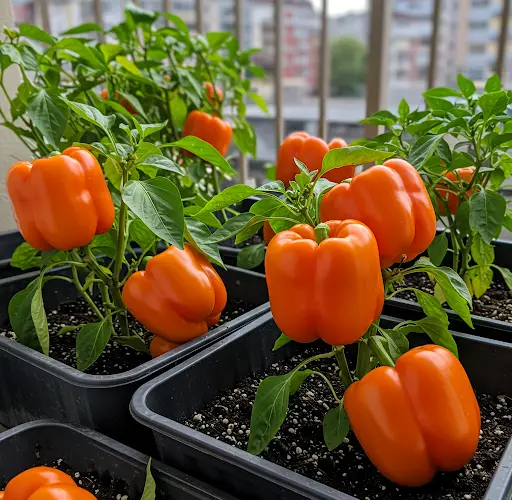
Peppers—whether sweet, hot, or ornamental—are technically perennial plants in their native warm climates. But in most temperate regions, they are grown as annuals because they can’t survive frost. However, with a little planning and care, pepper plants can be overwintered indoors and brought back out to continue growing and fruiting the following season. This not only saves time but also allows you to enjoy earlier harvests next year.
This guide covers everything you need to know about how to keep and overwinter your pepper plants so they return stronger and more productive in the next growing season.
Why Overwinter Pepper Plants?
There are several benefits to keeping your pepper plants alive over winter:
-
Faster fruiting next season since the plant doesn’t need to regrow from seed.
-
Preservation of rare or favorite varieties that may be hard to find again.
-
Bushier and more mature plants for a head start in spring.
-
Cost savings on seeds, soil, and transplant supplies.
Many varieties of hot peppers, like habaneros or ghost peppers, especially benefit from overwintering, as they tend to grow slowly and perform better in their second year.
When to Start the Overwintering Process
Begin the overwintering process before the first frost hits your area. Once temperatures consistently dip below 50°F (10°C), it’s time to act. Waiting too long can shock or kill the plant.
Step 1: Choose the Right Plants to Overwinter
You don’t have to overwinter every pepper in your garden. Choose healthy, disease-free plants that have performed well. Ideal candidates:
-
Have strong stems and compact growth.
-
Are free of pests or mildew.
-
Are smaller varieties or manageable in size.
Pruning can help with manageability if your plants are too large or leggy.
Step 2: Dig Up and Trim the Plants
Carefully dig up the chosen pepper plants using a trowel, preserving as much of the root system as possible. Shake off excess soil and inspect roots and stems for signs of pests or disease.
Then prune the plant back. Cut the stems down to about 6–8 inches tall. Remove any flowers, fruits, and most leaves—this reduces the plant’s energy demands during dormancy and makes it easier to fit indoors.
Step 3: Pot Up and Prepare for Indoors
Transfer each plant into a clean pot (8–12 inches wide) filled with fresh, well-draining potting soil. Don’t reuse soil from the garden or an old pot unless it’s been sterilized.
Water lightly to settle the roots. Place the potted plants in a shady, protected area outside for a few days to help them adjust to the transition from garden to pot. This reduces transplant shock.
After 3–5 days, bring the plants indoors.
Step 4: Choose an Indoor Spot
There are two overwintering options:
1. Dormant Method (Minimal Light, Low Watering):
Place the pruned plant in a cool, dark room like a basement, garage, or shed where temperatures stay between 40–60°F (4–15°C).
-
Water sparingly—just enough to prevent the roots from drying out.
-
The plant won’t grow or produce leaves, but will stay alive.
2. Active Growth Method (Sunny Windowsill or Grow Lights):
Place the plant near a bright, sunny window or under grow lights.
-
Keep temperatures between 60–75°F (15–24°C).
-
Water when the top inch of soil dries out.
-
The plant may grow slowly and produce a few leaves but likely won’t flower or fruit.
Both methods work, but the dormant method is easier and requires less care.
Step 5: Pest Control and Maintenance
Indoor environments can attract pests like aphids, spider mites, or whiteflies. Check your plant weekly and wash off pests with a gentle spray of water. For infestations, use neem oil or insecticidal soap.
Avoid overwatering or keeping the plant in soggy soil, which can cause root rot or fungus gnats.
Step 6: Reintroduce in Spring
About 4–6 weeks before your last frost, begin reintroducing your plant to active growth.
-
Move it to a warmer, brighter spot if it was kept dormant.
-
Resume regular watering and begin feeding with a diluted liquid fertilizer.
-
New leaf growth should appear as temperatures rise.
Once all risk of frost has passed and outdoor temperatures are consistently above 55°F (13°C), harden off the plant by gradually exposing it to outdoor conditions over 7–10 days. Then, transplant it into the garden or a larger outdoor container.
Tips for Success
-
Don’t expect overwintered plants to look lush during winter—they’re in survival mode.
-
Remove any dead stems or leaves in early spring to encourage new growth.
-
Label your pots if you’re overwintering multiple varieties.
-
Use clean tools and pots to avoid bringing pests indoors.
Overwintering pepper plants is a smart and sustainable gardening practice. With just a little effort during fall and winter, you can enjoy more vigorous, productive plants—and a head start on the growing season—year after year.


