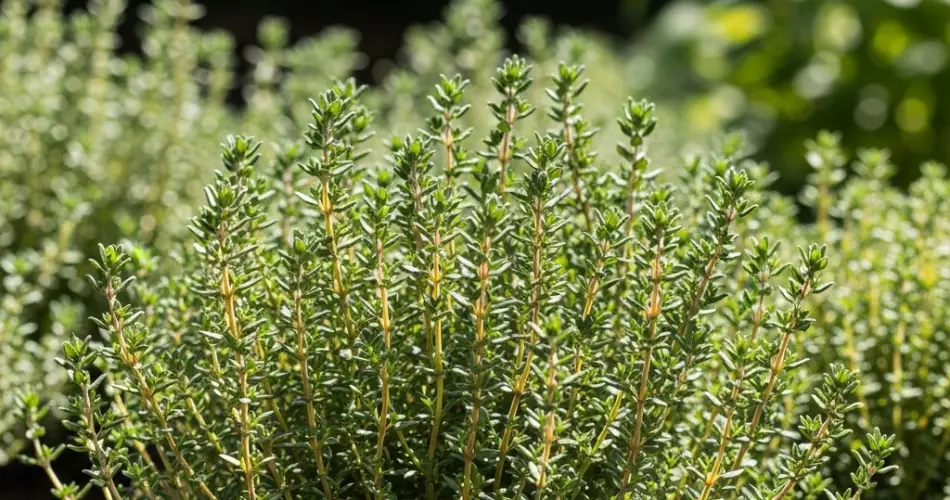
Thyme is a beloved herb in the kitchen and a resilient, easy-to-grow plant in the garden. Whether you’re cultivating it in pots or garden beds, knowing how to harvest thyme properly ensures a steady supply of flavorful leaves without harming the plant. Improper harvesting can stunt growth or damage tender new shoots, but with the right technique, you can encourage bushier, more productive plants while keeping your thyme healthy throughout the growing season.
Here’s a complete guide on how to harvest thyme without damaging new growth, so you can enjoy a continuous, thriving supply of this fragrant herb.
Understanding Thyme Growth
Before diving into harvesting techniques, it helps to understand how thyme grows. Thyme is a woody perennial with small, fragrant leaves growing along thin, stiff stems. As the plant matures, the base becomes woody, while the upper sections remain green and tender.
New growth appears at the tips of stems, so preserving these areas is essential for ongoing development. If you cut thyme too close to the woody base or remove the soft tips entirely, you could disrupt the plant’s ability to continue growing.
Best Time to Harvest Thyme
1. Wait Until the Plant Is Well Established
If you’re growing thyme from seed or a young transplant, give the plant time to grow and develop a strong root system. Avoid harvesting in the first few months. Once the plant is at least 4–6 inches tall and has plenty of branching stems, you can begin light harvesting.
2. Harvest in the Morning
The best time of day to harvest thyme is in the morning, after the dew has dried but before the sun is at its peak. This is when the plant’s essential oils are most concentrated, giving you the best flavor and aroma.
3. Choose the Right Season
You can harvest thyme throughout the growing season, but for the most intense flavor, cut it just before the plant begins to flower. If you’re harvesting for drying and storage, this is the ideal time.
How to Harvest Thyme Without Damaging New Growth
1. Use Clean, Sharp Scissors or Pruners
Always use clean cutting tools to prevent the spread of disease. Sharp blades make clean cuts that heal quickly and minimize stress on the plant.
2. Snip Above a Leaf Node
Look for a leaf node, which is the point where two leaves grow opposite each other on the stem. Cut the stem about ¼ inch above this node. This encourages the plant to produce two new shoots at that spot, making the plant fuller over time.
3. Avoid Cutting Into the Woody Base
Never harvest from the brown, woody part of the plant near the base. These sections don’t regrow well, and cutting them can weaken the plant. Focus on the green, flexible parts of the stem.
4. Harvest No More Than One-Third at a Time
To keep your thyme plant healthy, avoid harvesting more than one-third of the plant at once. This allows the plant to recover and continue growing strong.
5. Pinch Off Tips for Small Harvests
If you just need a bit of thyme for cooking, pinch off a few soft tips instead of taking long stems. This light harvesting method helps promote new growth without stressing the plant.
Aftercare to Encourage Regrowth
Proper aftercare is just as important as harvesting technique. Here’s how to keep your thyme plant productive:
-
Water Lightly After Harvesting: Give the plant a gentle watering, especially if the weather is dry, but avoid overwatering.
-
Feed Occasionally: Use a diluted organic fertilizer once a month during the growing season to support healthy regrowth.
-
Prune Regularly: Even if you’re not harvesting for cooking, prune your thyme periodically to prevent it from becoming woody and sparse.
-
Deadhead Flowers If Desired: Thyme flowers are edible and attract pollinators, but if your goal is leaf production, consider snipping off flower buds to redirect energy into foliage.
Harvesting for Drying and Storage
If you’re harvesting thyme to dry for future use, take longer sprigs just before flowering, when the leaves are most aromatic. Tie the stems in small bundles and hang them upside down in a dark, well-ventilated area. Once dry, strip the leaves from the stems and store them in an airtight container away from light and heat.
Conclusion
Harvesting thyme correctly ensures a steady, flavorful supply while keeping your plant lush and productive. By using clean tools, focusing on soft green growth, and cutting just above leaf nodes, you can encourage healthy regrowth and avoid damaging tender new shoots. With mindful harvesting and gentle aftercare, your thyme plant will continue to thrive season after season—ready to enhance your cooking with its earthy, aromatic flavor.