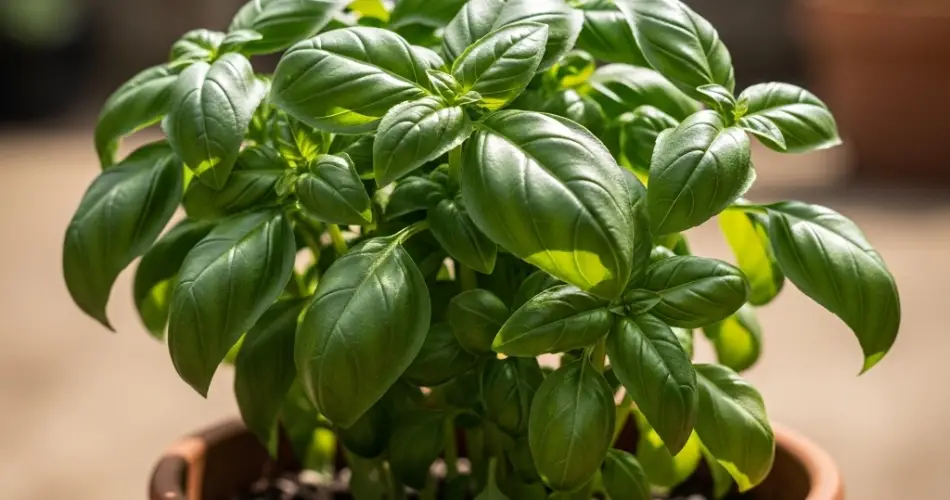
Basil is a popular herb known for its fragrant leaves and culinary versatility, from pesto sauces to fresh salads. While it’s generally easy to grow, many gardeners encounter a common issue: yellowing leaves. If your basil is turning yellow, it’s a sign that something in its environment or care routine is off. Fortunately, yellow leaves are often reversible if caught early.
This guide explains the possible reasons your basil plant is turning yellow and offers simple, practical solutions to restore it to good health.
1. Overwatering and Poor Drainage
One of the most frequent causes of yellow basil leaves is overwatering. Basil thrives in moist but well-draining soil. If the roots sit in soggy soil for too long, they can become waterlogged and start to rot. This root damage impairs nutrient uptake, causing leaves to yellow and wilt.
How to fix it:
-
Water basil only when the top inch of soil feels dry to the touch.
-
Make sure your pot or garden bed drains well.
-
If growing in containers, use a lightweight potting mix and ensure there are drainage holes.
-
Avoid letting pots sit in saucers of standing water.
2. Underwatering or Irregular Watering
While basil doesn’t like wet feet, it also doesn’t tolerate drought well. If your basil plant isn’t receiving enough water—or if watering is inconsistent—its leaves may turn yellow or curl up. Dry soil deprives the plant of the moisture needed to carry nutrients from the roots to the leaves.
How to fix it:
-
Keep soil consistently moist, especially during hot weather.
-
Water deeply when needed rather than giving frequent shallow drinks.
-
Check your basil daily if it’s in a container, as pots dry out faster than ground soil.
3. Nutrient Deficiency
Yellowing leaves, particularly older ones at the base of the plant, can also signal a lack of nutrients—most commonly nitrogen. Basil is a fast-growing herb that needs regular feeding to thrive.
How to fix it:
-
Apply a balanced liquid fertilizer every 2–3 weeks during the growing season.
-
If you suspect a nitrogen deficiency, choose a fertilizer with a higher nitrogen ratio (the first number on the label).
-
Add compost or worm castings to enrich the soil naturally.
4. Lack of Sunlight
Basil is a sun-loving herb that requires at least 6–8 hours of direct sunlight per day. If it’s growing in a shady spot or getting too little light indoors, its growth will slow, and leaves may turn pale or yellow.
How to fix it:
-
Move your basil to a sunnier location.
-
For indoor plants, place them near a bright south-facing window.
-
Supplement with a grow light if natural sunlight is insufficient.
5. Cold Temperatures
Basil is sensitive to cold. Exposure to temperatures below 50°F (10°C) can cause stress, resulting in yellowing and even leaf drop. A sudden drop in temperature at night can also harm the plant.
How to fix it:
-
Grow basil only after the danger of frost has passed.
-
Bring container plants indoors if a cold snap is forecast.
-
Avoid placing indoor basil near air-conditioning vents or drafty windows.
6. Pests and Diseases
Yellowing leaves may be a sign of pests like aphids, whiteflies, or spider mites. These insects suck the sap from the leaves, weakening the plant and causing discoloration. Fungal diseases, such as downy mildew or fusarium wilt, can also lead to yellowing.
How to fix it:
-
Inspect the undersides of leaves for pests.
-
Spray with neem oil or insecticidal soap if pests are found.
-
Avoid overhead watering to reduce fungal disease risk.
-
Remove and discard heavily infected plants to prevent the spread of disease.
7. Overcrowding or Poor Air Circulation
When basil plants are crowded together, airflow is restricted, increasing the chance of fungal problems and limiting each plant’s access to nutrients. Overcrowding can lead to poor growth and yellowing leaves.
How to fix it:
-
Space basil plants 10–12 inches apart.
-
Thin seedlings early if you started them close together.
-
Prune regularly to promote airflow and encourage bushier growth.
8. Natural Aging
Sometimes, yellowing leaves—especially the lower ones—are simply part of the plant’s aging process. As basil matures, older leaves may naturally turn yellow and drop off to make room for new growth.
How to fix it:
-
Trim away old yellow leaves to keep the plant looking tidy.
-
Focus on providing good overall care to maintain strong, healthy new growth.
Final Thoughts
Yellow basil leaves are often a sign that something in the plant’s environment needs adjusting. Whether it’s too much water, too little sun, or a lack of nutrients, identifying and addressing the root cause early can restore your basil’s vibrant green color.
By providing the right balance of sunlight, water, nutrients, and air circulation, your basil plant will bounce back and continue producing flavorful leaves throughout the season. Regular observation and simple adjustments make all the difference in maintaining a lush, healthy herb garden.


