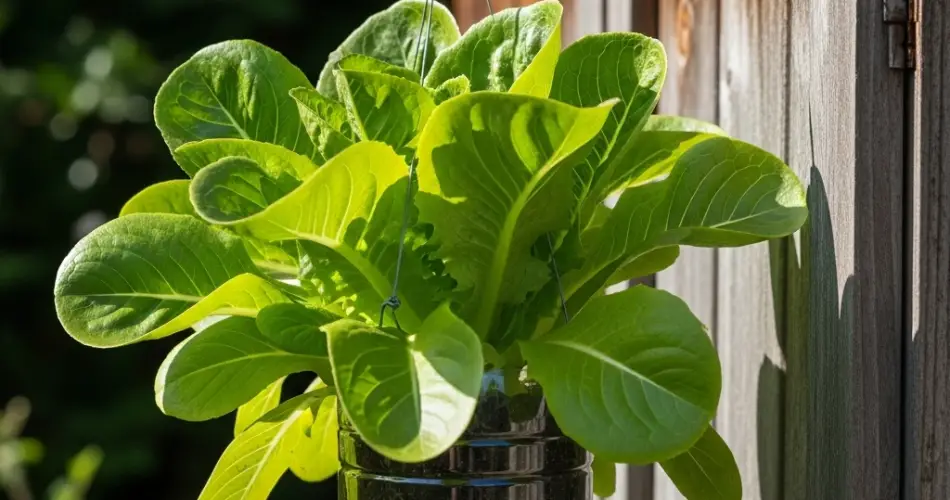
Growing lettuce in hanging plastic bottles is an excellent way to utilize vertical space, especially for those with limited room for a garden. This method not only supports urban gardening but also promotes recycling. Once your lettuce is thriving in these containers, knowing how and when to harvest is essential to maintain a continuous supply of fresh greens.
The Right Time to Harvest
Lettuce varieties grown in hanging bottles can be harvested at different stages depending on your needs. For baby greens, you can start harvesting as early as 3–4 weeks after planting. For mature leaves or heads, allow 6–8 weeks. Monitor the size and color of the leaves—when they look full, vibrant, and slightly crisp, they’re ready.
Leaf lettuce, which grows loosely, is ideal for bottle gardening and can be picked leaf by leaf. Head varieties like romaine or butterhead may also be grown in bottles but take up more space and require longer growing times.
Tools You’ll Need
Harvesting lettuce doesn’t require complex tools. A clean pair of scissors or a small garden knife is sufficient. Always ensure your tools are disinfected before use to prevent introducing pathogens that could affect other plants.
Additionally, prepare a bowl or basket to collect the leaves and a container of cool water for rinsing. Lettuce is delicate, so handle it gently to avoid bruising.
Harvesting Methods
There are two main harvesting methods you can use: the “cut-and-come-again” technique and full harvest.
1. Cut-and-Come-Again
This method is ideal for loose-leaf varieties and offers repeated harvests from the same plant. To use this method:
-
Select the outer leaves of the lettuce plant, which are more mature.
-
Using scissors, cut the leaves about 1 inch above the base, leaving the central growth intact.
-
Avoid cutting into the crown (center of the plant), as this is where new leaves emerge.
-
Continue harvesting every few days to keep the plant producing fresh foliage.
This technique allows you to enjoy lettuce over several weeks rather than harvesting all at once.
2. Full Harvest
This approach is suitable if you’re growing head lettuce or if the plant is reaching the end of its productive cycle. To perform a full harvest:
-
Grasp the base of the lettuce plant gently.
-
Use a knife or scissors to cut the entire plant off just above the root zone.
-
Alternatively, if the bottle is nearing depletion in nutrients or the plant is bolting (sending up a flower stalk), it’s best to harvest entirely and start anew.
Full harvesting is also recommended if you want to clean and replant the bottle for another crop cycle.
Post-Harvest Handling
Once harvested, lettuce should be rinsed gently with cool water to remove any dust or insects. Pat the leaves dry with a clean cloth or paper towel, or use a salad spinner to remove excess moisture.
If not consumed immediately, store the lettuce in an airtight container or resealable bag lined with a dry paper towel. Place it in the vegetable drawer of your refrigerator. Properly stored, freshly harvested lettuce can last up to a week.
Tips for Continued Success
To enjoy a constant supply of lettuce from your hanging plastic bottles, consider planting in succession. Sow a few seeds every week instead of all at once. This ensures that while some plants are ready to harvest, others are still maturing.
Also, remember to regularly check the soil moisture and sunlight exposure. Hanging bottles can dry out faster than ground pots, so consistent watering is crucial—ideally early in the morning or late afternoon to avoid scorching.
Use organic compost or diluted liquid fertilizer to nourish the plants every two weeks. This keeps them healthy and encourages robust leaf production.
Troubleshooting Common Issues
If your lettuce tastes bitter, it could be due to high temperatures or lack of water. To combat this, ensure the hanging bottles receive partial shade during peak heat. Lettuce grows best in cooler weather, so spring and early fall are ideal seasons.
Watch out for pests like aphids or snails. Since hanging bottles are elevated, they naturally deter many ground-dwelling pests. However, regular inspection and using natural insect deterrents like neem oil can help.
If you notice yellowing leaves or slow growth, it may indicate nutrient deficiency. Refreshing the potting mix or using organic foliar sprays can restore plant health.
Harvesting lettuce from hanging plastic bottles is a rewarding process that combines smart gardening with sustainability. With the right techniques, you can enjoy crisp, homegrown greens year-round, even from a small balcony or wall.


