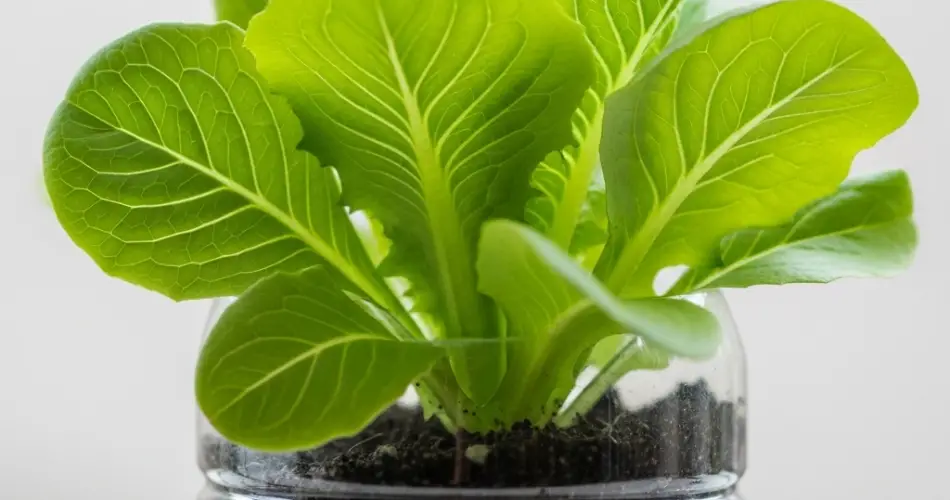
Growing lettuce at home doesn’t require a garden or even a pot. With just a plastic bottle, you can cultivate crisp, green lettuce on a windowsill, balcony, or small patio. This simple and cost-effective method makes it possible for anyone to enjoy fresh, chemical-free lettuce, no matter how limited their space may be. Here’s a step-by-step guide to growing lettuce in a bottle.
Why Grow Lettuce in a Bottle?
Plastic bottles are readily available, and using them for planting is a great way to reduce waste. Lettuce is a fast-growing leafy vegetable that thrives in shallow soil and doesn’t require deep containers. Its short roots make it an ideal candidate for vertical or bottle gardening.
This method is perfect for small households, beginners in gardening, or urban dwellers who want to produce their own greens without needing a full backyard setup.
Materials You’ll Need:
-
A clean, empty 2-liter plastic bottle
-
Potting soil (preferably rich in compost)
-
Lettuce seeds (loose-leaf varieties are recommended)
-
A cutter or sharp knife
-
A nail or screwdriver (for poking holes)
-
Watering can or spray bottle
Optional: Charcoal or a few small pebbles for drainage.
Step 1: Prepare the Bottle
Start by cleaning the plastic bottle thoroughly and removing any labels. With a knife or cutter, carefully cut an opening on the side of the bottle (around 4–5 inches wide) while keeping the rest of the structure intact. This will serve as the planting window. Alternatively, if you prefer to plant from the top, simply cut the top part of the bottle off and use it like a mini pot.
Next, use a nail or screwdriver to poke several drainage holes at the bottom of the bottle. This is crucial to prevent root rot by allowing excess water to escape.
Step 2: Create a Drainage Layer (Optional)
If you want to improve drainage, place a small amount of crushed charcoal or pebbles at the bottom of the bottle. This helps absorb moisture and keeps the soil well-aerated.
Step 3: Add Potting Soil
Fill the bottle with high-quality potting soil. Make sure the soil is loose, rich in organic matter, and well-draining. Leave about an inch of space from the top edge if planting from the top, or make sure soil fills up just beneath the cutout if planting from the side.
Step 4: Sow the Lettuce Seeds
Sprinkle the lettuce seeds evenly over the soil surface. Loose-leaf varieties like ‘Green Salad Bowl’, ‘Red Leaf’, or ‘Oakleaf’ are particularly well-suited for bottle growing due to their compact size.
After sowing, lightly press the seeds into the soil and cover them with a thin layer of soil—no more than 1/4 inch. Gently mist with water to moisten the surface.
Step 5: Provide Light and Water
Place the bottle in a bright location with indirect sunlight—ideally 4–6 hours a day. Lettuce prefers cooler temperatures, so avoid hot spots or intense midday sun. If you’re growing indoors, a windowsill facing east or north is ideal.
Keep the soil consistently moist but not soggy. Water using a spray bottle or watering can with a narrow spout to avoid disturbing the young seedlings. Ensure excess water drains freely through the holes.
Step 6: Thin the Seedlings
Once the seedlings are about 2 inches tall and have a few leaves, thin them out to avoid overcrowding. Keep the healthiest and strongest plants, leaving about 2 inches between each. You can use the thinned seedlings in sandwiches or salads.
Step 7: Maintain and Fertilize (Optional)
Lettuce grows quickly and doesn’t need much feeding. However, if your soil lacks nutrients, you can apply a diluted liquid organic fertilizer every two weeks. Avoid over-fertilizing, as this can cause bitter-tasting leaves.
Remove any yellowing or wilting leaves regularly to encourage healthy growth and prevent disease.
Step 8: Harvest
Lettuce can be harvested in as little as 30–45 days, depending on the variety. You can harvest by trimming the outer leaves when they are large enough to eat, allowing the center to continue growing. This “cut-and-come-again” method can provide a continuous supply of greens.
For a full harvest, cut the entire plant at the base when it reaches maturity.
Tips for Success
-
Keep the bottle garden out of reach of pests or snails.
-
Avoid overwatering—check soil moisture regularly.
-
Start a second bottle every couple of weeks for a steady lettuce supply.
Conclusion
Growing lettuce in a bottle is a fun, space-saving, and sustainable way to enjoy fresh greens right at home. Whether you’re a seasoned gardener or a beginner with no outdoor space, this project is easy to manage and rewarding. With a little care and the right conditions, your plastic bottle garden will yield delicious, crisp lettuce you can harvest straight into your meals.


