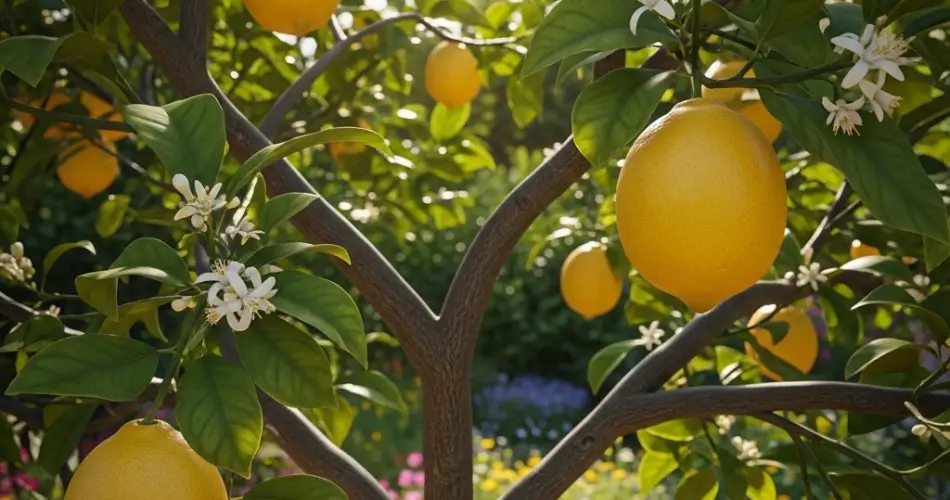
There’s something magical about growing a lemon tree from seed. Watching a tiny sprout grow into a thriving citrus tree—right in your own home or garden—is not only rewarding but surprisingly achievable. With the right care and some patience, you can nurture a lemon tree from seed to stunning in record time. While lemons grown from seed take a few years to bear fruit, you can still grow a beautiful, fragrant plant that becomes a standout feature in your space much sooner.
Here’s how to get your lemon tree off to the fastest and healthiest start possible.
1. Start with Fresh, Organic Lemons
To grow a lemon tree from seed, begin with a fresh, organic lemon. Non-organic lemons are often treated with chemicals that inhibit seed germination. Slice open the lemon, and remove several seeds. Rinse them well to remove all pulp and sugar, which can attract mold.
For the best results, plant the seeds while they’re still moist. Dry seeds may not germinate as easily.
2. Sprout Seeds for a Head Start
You can plant the seeds directly into soil, but for faster results, pre-sprouting is recommended.
-
Place the cleaned seeds between two damp paper towels.
-
Put them in a plastic bag or container with a lid to trap moisture.
-
Store in a warm, dark place such as the top of the refrigerator or a cupboard.
-
Check after 7–14 days. Once you see tiny roots sprouting, they’re ready to plant.
This method gives your seeds a strong start and shortens germination time.
3. Use the Right Pot and Soil
Once sprouted, plant your lemon seeds in small containers with drainage holes. A wide, shallow pot works best early on, and you can upgrade to larger containers as the plant grows.
Use well-draining, nutrient-rich soil—a mix of potting soil, perlite, and compost is ideal. Lemons prefer slightly acidic soil (pH 5.5–6.5), so you can mix in a bit of peat moss if needed.
Plant the seed about ½ inch deep, root side down, and gently cover with soil.
4. Give It Light and Warmth
Lemon trees love the sun. Place your pot in a bright, sunny location where it will receive at least 8–12 hours of light daily. A south-facing window is ideal. If you don’t have sufficient natural light, use a full-spectrum grow light to encourage steady growth.
The warmer the environment, the better—aim for temperatures between 70°F and 85°F (21°C–29°C). Protect young seedlings from cold drafts and sudden temperature changes.
5. Water Gently and Consistently
Keep the soil moist but not soggy. Overwatering is a common mistake that leads to root rot, especially in the seedling stage.
Water when the top inch of soil feels dry to the touch. Use a spray bottle or gentle pour to avoid disturbing delicate roots. Good drainage is essential, so always empty saucers under pots to avoid water buildup.
6. Fertilize for Fast Growth
Once your lemon seedling has developed its second or third set of leaves, start feeding it with a diluted, balanced liquid fertilizer every 4–6 weeks. Citrus trees need nutrients like nitrogen, phosphorus, potassium, and magnesium to grow strong.
During the active growing season (spring and summer), you can gradually switch to a citrus-specific fertilizer. Reduce or pause feeding in the cooler months when growth slows.
7. Transplant and Prune as Needed
As your lemon tree grows, it will need room to expand. When roots begin to circle the pot or emerge from the drainage holes, it’s time to repot into a larger container.
Repot gently, disturbing the root ball as little as possible. Prune back weak or crowded stems to promote better airflow and shape your tree. Pinch the tips of tall stems to encourage bushier growth.
Pruning helps the plant direct its energy toward healthy foliage and strong branches—essential for future blooming and fruiting.
8. Create Ideal Indoor Conditions
If growing your lemon tree indoors, mimic its native climate by maintaining moderate humidity and avoiding temperature fluctuations. Place a humidifier nearby or set the pot on a tray of pebbles and water to increase moisture in the air.
Rotate the pot every couple of weeks so all sides of the plant receive light evenly. This helps prevent leaning and encourages symmetrical growth.
9. Be Patient—Fruit Takes Time
While a lemon tree from seed may take 3–5 years (or more) to bear fruit, you’ll still enjoy a lush, green plant with fragrant blooms well before that. Even without fruit, the lemon tree makes a beautiful, vibrant addition to your space.
To speed up the fruiting process, some growers graft their seedling onto mature citrus rootstock. However, if you’re growing purely for beauty or personal satisfaction, letting nature take its course can be just as fulfilling.
Final Thoughts
Raising a lemon tree from seed is a project that rewards patience and consistency. With proper care—plenty of light, the right soil, regular watering, and occasional feeding—you can transform a humble lemon seed into a thriving, eye-catching tree. Whether you grow it for the beauty of its glossy green leaves, the scent of its flowers, or the promise of homegrown citrus, the journey from seed to stunning is one worth taking.


