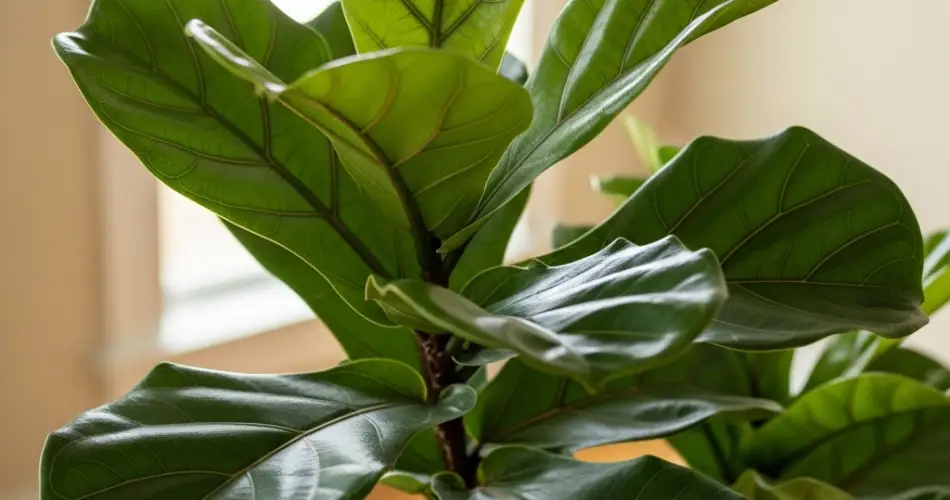
The fiddle leaf fig (Ficus lyrata) is known for its large, violin-shaped leaves and striking presence in modern home decor. Though most people grow it for its lush foliage, the idea of propagating and developing a healthy, thriving plant from scratch is both rewarding and surprisingly simple. While fiddle leaf figs don’t bloom often indoors, healthy germination and growth are key to maintaining vibrant, robust leaves and overall plant vitality all year long.
If you’re eager to add this elegant plant to your indoor jungle or want to multiply your existing plant, here’s how to germinate and care for your fiddle leaf fig like a pro.
Understanding the Plant
Native to West Africa, the fiddle leaf fig thrives in warm, humid climates with bright but indirect light. It’s a slow grower but can reach impressive heights indoors with the right care. Though true flowers are rare indoors, a well-cared-for fiddle leaf fig will reward you with constant, lush leaf growth that adds year-round beauty to any room.
Can You Grow Fiddle Leaf Fig from Seed?
While it’s possible to germinate fiddle leaf figs from seed, seeds are rarely available and require specific tropical conditions. Most home growers propagate this plant through stem cuttings, which is far more reliable, faster, and more accessible.
So while this guide refers to “germination” in a broader sense, we’ll focus on propagation via cuttings to help you grow healthy new plants.
What You’ll Need
-
A healthy mother plant
-
Clean pruning shears
-
A small container with drainage holes
-
Potting mix (well-draining, such as a peat-perlite blend)
-
A clear plastic bag or humidity dome (optional)
-
Rooting hormone (optional, but recommended)
Step 1: Take a Healthy Cutting
Choose a healthy branch with at least 1–2 leaves and a node (the small bump where leaves or roots emerge). Using clean pruning shears, make a clean cut just below a node. The cutting should be about 6–8 inches long.
Remove the bottom leaf or two to expose the node. This is where roots will grow from.
Step 2: Optional Rooting in Water
Before planting directly in soil, you can root the cutting in water for better visibility and control.
-
Place the cutting in a jar of clean, room-temperature water.
-
Keep it in a warm spot with bright, indirect light.
-
Change the water every 3–5 days to prevent bacteria buildup.
Roots should start appearing in 2–4 weeks. Once the roots are 2–3 inches long, transfer the cutting to soil.
Step 3: Planting in Soil
If you prefer to plant directly in soil or once roots have developed in water:
-
Fill a small pot with a well-draining potting mix.
-
Dip the cut end of the stem in rooting hormone (optional).
-
Plant the cutting, ensuring the node is buried and the stem is stable.
-
Water lightly and cover with a plastic bag or humidity dome to create a greenhouse effect. Ensure the covering doesn’t touch the leaves.
Place the pot in a warm area with bright, indirect light.
Step 4: Early Care and Growth
In the first month, keep the soil slightly moist but not soggy. Avoid direct sunlight, which can stress the cutting. After new leaf growth appears, you can remove the plastic cover and care for the plant as you would a mature fiddle leaf fig.
Long-Term Care Tips for Vibrant Growth
To keep your fiddle leaf fig healthy and beautiful all year:
1. Light:
Provide at least 6 hours of bright, indirect light daily. Avoid cold drafts or direct afternoon sun, which can scorch the leaves.
2. Watering:
Water when the top inch of soil feels dry. Be consistent but avoid overwatering. Always empty the saucer beneath the pot after watering.
3. Humidity:
Fiddle leaf figs love humidity. Mist the leaves occasionally or place a tray of water and pebbles nearby to boost ambient moisture.
4. Fertilizing:
Feed your plant once a month during spring and summer with a balanced, water-soluble fertilizer. Skip feeding in fall and winter.
5. Pruning:
Remove damaged leaves and trim to encourage branching if the plant becomes too tall or leggy. Always prune above a node for best results.
Troubleshooting Common Issues
-
Brown spots: Usually due to overwatering or inconsistent watering. Ensure proper drainage.
-
Drooping leaves: May indicate underwatering or sudden temperature changes.
-
Leaf drop: Can be a stress response from repotting, moving, or improper light.
Regularly dust the leaves with a soft cloth to keep them clean and help the plant photosynthesize effectively.
Final Thoughts
Growing a fiddle leaf fig from a cutting is a satisfying way to add a personal touch to your indoor garden. With consistent care, the right environment, and a bit of patience, your fiddle leaf fig will grow into a stunning focal point that offers rich green foliage year-round. Even without frequent flowering, the vibrant leaves are more than enough to brighten your space and impress your guests.


