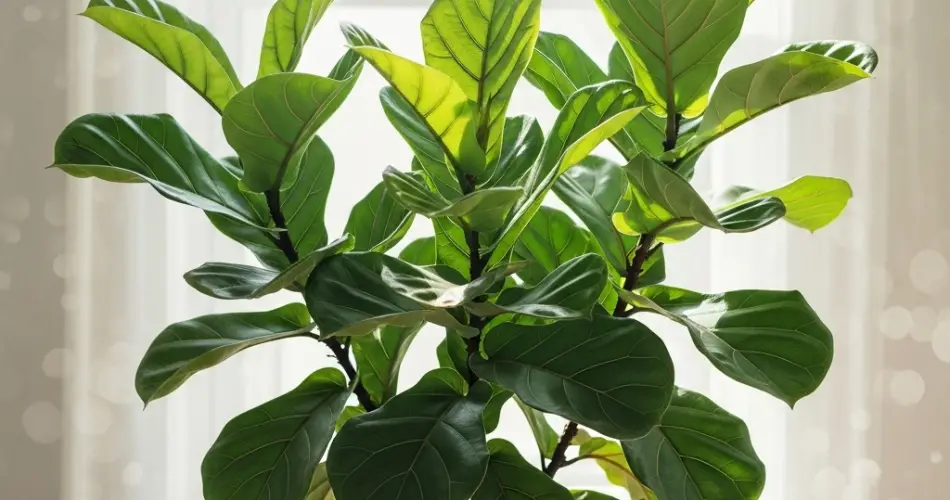
The fiddle leaf fig (Ficus lyrata) is a show-stopping houseplant known for its dramatic, glossy foliage and modern aesthetic. While many people purchase mature plants, raising one from seed offers the rewarding experience of nurturing it from the very beginning. With the right care and a few expert tricks, you can grow a healthy, vibrant fiddle leaf fig in record time—even starting from seed.
Here’s your complete guide to growing this stylish plant from scratch, accelerating its growth, and keeping it lush and thriving.
1. Understanding the Challenge of Growing from Seed
Raising a fiddle leaf fig from seed is entirely possible but requires patience. Seeds are not commonly available and may have lower germination rates compared to other plants. If you’re determined to grow from seed, make sure you’re starting with fresh, viable seeds from a reputable source.
The seedling stage is delicate, but with proper setup and care, you can encourage fast and healthy growth right from the start.
2. Prepare the Perfect Environment for Germination
Fiddle leaf fig seeds need warmth, moisture, and indirect light to germinate. Follow these steps for optimal results:
-
Use a seed-starting mix—light, sterile, and well-draining.
-
Sow the seeds just below the surface of the soil and mist them lightly.
-
Cover the container with a clear plastic lid or wrap to maintain humidity.
-
Place the container in a warm spot (around 75–85°F / 24–29°C).
-
Keep the soil consistently moist, but not soggy.
Germination can take anywhere from 1 to 4 weeks. Once the seedlings appear, remove the plastic cover and gradually introduce more light.
3. Provide Bright, Indirect Light Early On
Light is key to growing a fiddle leaf fig quickly and with strong, upright stems. As soon as your seedlings are stable and producing their first set of true leaves, move them to a spot with bright, indirect light. East or west-facing windows are ideal.
Avoid harsh direct sun in the early stages, which can scorch young leaves. If natural light is limited, use a full-spectrum grow light for 10–12 hours a day to encourage rapid, balanced growth.
4. Transplant Carefully to Encourage Root Growth
When your seedlings are a few inches tall and have several leaves, it’s time to transplant them into larger containers. Choose pots with excellent drainage and use a well-aerated potting mix—a blend of peat moss, perlite, and pine bark is ideal for fiddle leaf figs.
Transplant gently to avoid damaging young roots. Don’t move to a huge pot immediately; increasing the pot size in stages encourages stronger root systems and helps prevent overwatering.
5. Water the Right Way
Overwatering is the most common mistake when raising a fiddle leaf fig. To accelerate healthy growth:
-
Water only when the top 1–2 inches of soil feel dry.
-
Always ensure excess water drains out.
-
Avoid letting the plant sit in a saucer of water.
During warmer months, you’ll need to water more frequently. In cooler or lower-light conditions, reduce watering accordingly.
6. Fertilize Strategically for Fast Growth
To support quick, lush development, feed your fiddle leaf fig with a balanced liquid fertilizer (such as 3-1-2 NPK) every 2–4 weeks during the growing season (spring through early fall).
Avoid fertilizing in winter, when growth naturally slows. Too much fertilizer in the wrong season can stress the plant and damage roots.
7. Prune and Pinch to Shape and Stimulate
Once your plant reaches about 1–2 feet in height, you can begin light pruning to encourage branching and a fuller shape. Pinch off the growing tip to stimulate new lateral growth.
Regular pruning also helps manage legginess and gives the plant that full, tree-like appearance faster.
8. Support Upright Growth with Proper Positioning
As your fiddle leaf fig grows, rotate the pot every couple of weeks so that all sides receive even light. This prevents the plant from leaning and promotes symmetrical growth.
Use a stake or support for taller young plants that haven’t developed strong stems yet.
9. Create a Stable, Humid Environment
Fiddle leaf figs love consistency. Keep them in a draft-free area with steady temperatures (65–75°F / 18–24°C) and moderate humidity. Dry indoor air can slow growth or cause leaf edges to brown.
Boost humidity with a room humidifier or by placing a tray of water and pebbles near the plant. Mist lightly if needed, but avoid over-wetting the leaves.
10. Watch for Common Issues
Keep an eye out for yellowing leaves, brown spots, or drooping—these are usually signs of overwatering, inconsistent light, or stress from temperature changes. Deal with pests like spider mites or mealybugs promptly using neem oil or insecticidal soap.
Healthy fiddle leaf figs are relatively low-maintenance once established but respond quickly to changes in care.
Final Thoughts
Raising a fiddle leaf fig from seed may take time, but with the right care and a focus on light, feeding, and consistency, you can turn a small sprout into a stunning indoor statement plant faster than you might think. Every new leaf is a sign of success—and proof that even without prior experience, you can grow a bold, beautiful fig tree from scratch.
Let your fiddle leaf fig be the centerpiece of your indoor jungle, grown by your own hand, and admired for years to come.


