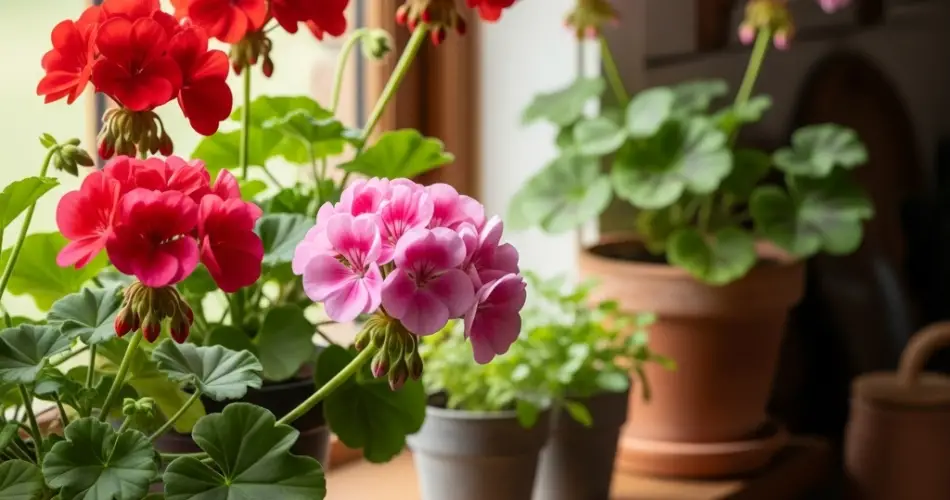
Geraniums are a timeless favorite among flowering plants, known for their vivid blooms, fragrant foliage, and minimal care needs. While commonly grown in gardens and balconies, geraniums also adapt beautifully to life in containers—making them perfect for sunny windowsills. With a bit of attention and the right setup, you can enjoy vibrant geranium flowers indoors throughout the growing season.
Whether you’re a beginner or looking to expand your indoor gardening skills, here’s a complete guide to cultivating geraniums in containers on your windowsill.
Why Grow Geraniums Indoors?
Geraniums (Pelargonium species) are ideal for indoor cultivation thanks to their tolerance for dry conditions and love of sunlight. When placed on a bright windowsill—particularly one facing south or west—they receive plenty of light and warmth, which mimics their natural outdoor environment.
Indoor cultivation protects the plants from weather fluctuations, pests, and seasonal changes, allowing you to control conditions for extended blooming.
Choosing the Right Geranium Variety
Not all geraniums are the same. There are several types suited for container growth indoors:
-
Zonal Geraniums (Pelargonium × hortorum): The classic variety with upright growth and vivid blooms.
-
Ivy-Leaf Geraniums (Pelargonium peltatum): Great for trailing from hanging containers or window boxes.
-
Scented-Leaf Geraniums: Grown more for their fragrant leaves than flowers, with scents like lemon, mint, or rose.
-
Regal (Martha Washington) Geraniums: Known for their large, showy blooms and more delicate care needs.
Zonal and ivy-leaf geraniums are generally the best choices for indoor containers due to their adaptability and frequent flowering.
Selecting the Container
Choose a pot that is:
-
At least 8 to 10 inches in diameter
-
Equipped with drainage holes
-
Made of breathable material (terracotta is ideal)
Avoid oversized pots, which can retain excess moisture and lead to root rot. Containers that match your windowsill’s dimensions and décor can also enhance your indoor space visually.
The Right Soil Mix
Geraniums prefer well-draining soil. A mix specifically designed for container flowers or indoor plants will work well. You can also create your own by combining:
-
2 parts potting soil
-
1 part perlite or coarse sand
-
1 part peat moss or coconut coir
This combination retains enough moisture while allowing excess water to drain easily, preventing soggy roots.
Planting Your Geranium
If you’re planting from a nursery seedling:
-
Fill your container with the prepared soil mix.
-
Gently loosen the root ball of the plant and place it in the center.
-
Backfill with soil, pressing lightly to secure the plant.
-
Water thoroughly until water drains from the bottom.
For propagation, you can also grow geraniums from stem cuttings by rooting them in water or moist soil before transplanting to a container.
Light and Temperature
Geraniums love the sun. Place the container on a south- or west-facing windowsill where the plant will receive at least 6 hours of direct sunlight daily. Rotate the pot weekly to encourage even growth.
Ideal indoor temperatures for geraniums range between 65°F and 75°F (18°C–24°C) during the day and no lower than 55°F (13°C) at night. Keep the plant away from cold drafts or sudden temperature changes.
Watering and Feeding
Geraniums prefer a moderate watering routine:
-
Allow the top inch of soil to dry out between waterings.
-
Water thoroughly but avoid letting the plant sit in water.
Overwatering can lead to root rot and yellowing leaves.
Feed your geranium every 2 to 4 weeks during the growing season (spring through early fall) with a balanced liquid fertilizer. Reduce feeding in the winter when growth slows.
Encouraging Continuous Blooms
To promote vibrant, long-lasting flowers:
-
Deadhead regularly: Remove faded blooms to redirect energy to new growth.
-
Pinch back stems: This encourages bushier, fuller plants.
-
Ensure plenty of light: Insufficient light leads to leggy growth and fewer blooms.
Regular pruning also helps maintain a compact shape and stimulates new growth.
Common Problems and Solutions
-
Yellow leaves: Often caused by overwatering or poor drainage.
-
No blooms: Usually due to insufficient light or lack of nutrients.
-
Leggy stems: Caused by low light or infrequent pinching/pruning.
-
Pests: Watch for aphids, spider mites, and whiteflies. Use insecticidal soap or neem oil if needed.
Clean the leaves occasionally with a damp cloth to keep them dust-free and healthy.
Overwintering Geraniums Indoors
If you live in a cold climate, geraniums can be brought indoors before the first frost and kept as houseplants through winter. Reduce watering, avoid fertilizing, and place them near a sunny window until spring returns.
Final Thoughts
Cultivating geraniums in containers on a sunny windowsill is both a rewarding and low-maintenance way to enjoy colorful flowers year-round. With a little light, good soil, and basic care, your indoor geraniums will thrive and bloom continuously. Whether you’re brightening a kitchen, office, or living room, these vibrant plants are sure to bring cheer and beauty into your space.


