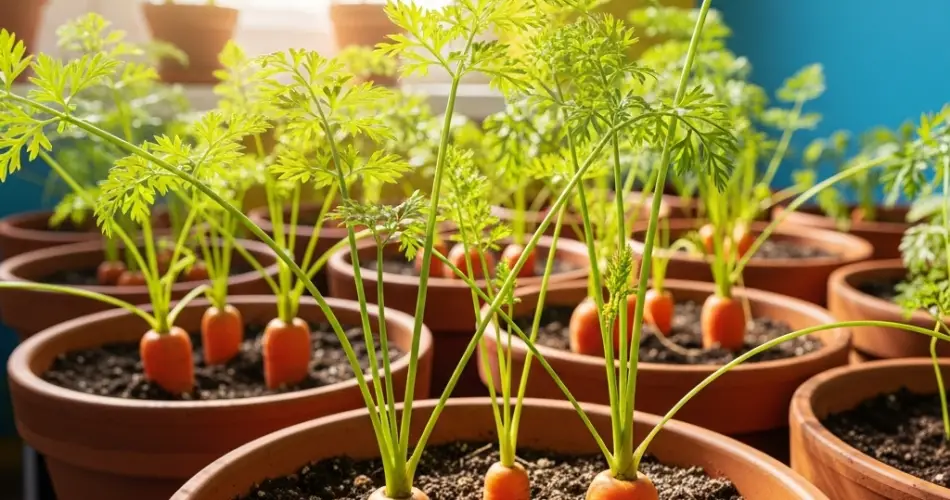
Carrots are a popular root vegetable in many households, loved for their crunch, sweetness, and versatility in the kitchen. What many people don’t realize is that you can regrow carrots at home using simple kitchen scraps—specifically, the carrot tops you usually toss away. This method is not only easy and cost-effective, but also incredibly satisfying, especially for those who want to experiment with home gardening without much space or equipment.
Whether you’re a beginner or a seasoned plant enthusiast, regrowing carrots from scraps is a great way to enjoy fresh greens and learn more about root vegetable propagation. Here’s how you can do it step by step.
What You Can and Can’t Regrow
It’s important to clarify that you won’t regrow a full-sized carrot root from scraps. Carrot roots (the orange part) don’t regenerate once they’re cut off. However, you can grow beautiful, edible carrot greens and even encourage root formation for decorative or composting purposes. These greens can be used in salads, pestos, soups, and more.
This method is ideal for reusing the tops of carrots you’ve already used in cooking, turning what would be waste into something productive.
Step 1: Save the Carrot Tops
When preparing carrots, cut off the top 1–2 inches of the carrot where the green stems emerge. Make sure the top is relatively flat and undamaged. This portion contains the bud that will sprout new growth.
Save several tops if you want multiple plants. Organic carrots are preferred, as they are less likely to have been treated with growth-inhibiting chemicals.
Step 2: Prepare a Water Tray
Place the carrot tops, cut side down, in a shallow dish or container with enough water to cover just the base—about half an inch deep. Avoid submerging the entire top, as this can lead to rot.
Set the container in a sunny window or well-lit spot. Within a few days, you’ll see green shoots sprouting from the center. Tiny white roots may begin to appear at the bottom as well.
Step 3: Change the Water Regularly
To prevent mold or bacterial growth, change the water every 1–2 days. Keep the dish clean and make sure the tops are never fully submerged.
You’ll notice consistent growth within 5–7 days. The green tops can grow quite tall, and while they won’t produce more carrot roots, they’ll add beauty and nutrition to your space.
Step 4: Transplant into Soil (Optional)
If you want to grow fuller greens or let the tops develop longer root systems, you can transplant the regrown carrot tops into soil.
Here’s how:
-
Choose a small pot or garden bed with well-draining, loose soil.
-
Bury the carrot top so that only the green shoots remain visible above the surface.
-
Water the soil lightly and place the pot in a location with good sunlight.
Continue watering regularly, keeping the soil moist but not waterlogged. Over the next few weeks, you’ll have a lush green plant that can be harvested periodically for culinary use.
Step 5: Harvest and Use Your Carrot Greens
Carrot greens are entirely edible and packed with flavor. They can be used just like any fresh herb or leafy green. Try them in:
-
Pesto (as a substitute or addition to basil)
-
Herb butters and vinaigrettes
-
Salads, omelets, or soups
-
Garnishes for main dishes
Use scissors to snip off the leaves as needed, cutting above the base to encourage regrowth.
Bonus Tip: Use in Companion Planting
If you have a garden or a few outdoor containers, carrot tops can be a great addition to your plant ecosystem. Their greens attract beneficial insects like ladybugs and pollinators. Plus, they can be companion planted with other vegetables like tomatoes and lettuce to help improve biodiversity and garden health.
Compost the Leftovers
Once the tops have finished growing or the greens begin to yellow and fade, you can compost what’s left. This way, the entire carrot—from top to bottom—serves a purpose in your sustainable kitchen and garden routine.
Final Thoughts
Regrowing carrots from kitchen scraps is a fun, eco-friendly way to reduce waste and enjoy fresh greens at home. While you won’t get full carrot roots from this method, the lush tops are just as valuable and versatile. With just a shallow dish, some water, and a sunny windowsill, you can bring a bit of green into your life and make use of what would otherwise go to waste.
Whether you’re looking for a hands-on activity for kids, a way to stretch your grocery budget, or just a small green project for your apartment or balcony, this carrot top regrowth method is simple, effective, and surprisingly satisfying.


