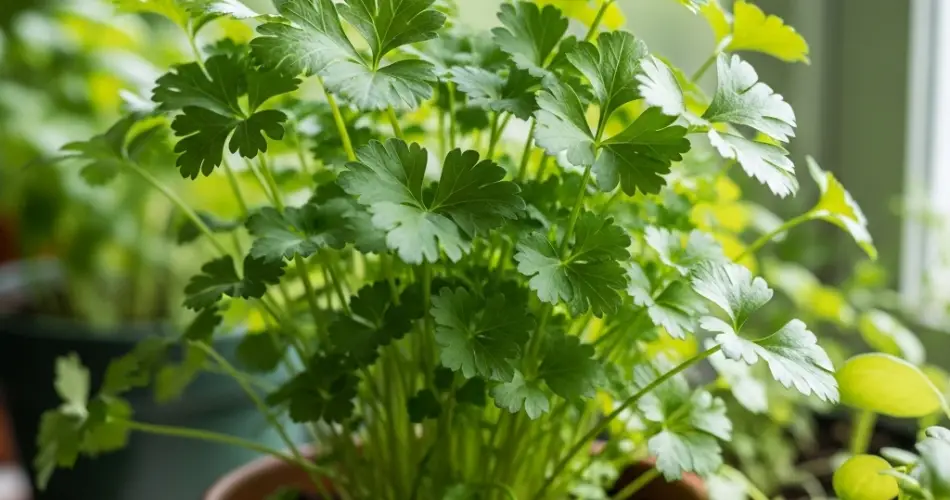
Parsley is one of the most versatile herbs you can grow at home. Whether you use it to garnish your meals or boost the flavor of soups and salads, fresh parsley offers a burst of green vitality and a dose of nutrients. The good news? You don’t need a garden or even a balcony to grow it successfully.
Even if you live in a compact apartment with limited space, you can cultivate lush, flavorful parsley indoors with just a few basic supplies and a bit of care. This article will guide you step-by-step on how to grow parsley from seed or starter plant right in your apartment—and keep it thriving.
Why Grow Parsley Indoors?
Growing parsley indoors offers several benefits. It ensures a constant supply of fresh leaves, allows you to control what goes into your food, and adds a splash of greenery to your living space. Parsley is also a rich source of vitamins A, C, and K, and supports digestive health.
Because parsley is relatively low-maintenance, it’s ideal for apartment dwellers or beginner gardeners who are short on space but still want to enjoy homegrown herbs.
Step 1: Choose Your Parsley Variety
There are two main types of parsley:
-
Curly leaf parsley (Petroselinum crispum): Often used as a garnish, this variety has tightly ruffled leaves and a mild flavor.
-
Flat-leaf parsley (Italian parsley): Preferred by chefs for cooking, this variety has broader, smoother leaves and a more robust taste.
Both types grow well indoors, so choose based on your culinary preference or try growing both in separate containers.
Step 2: Pick the Perfect Spot
Parsley loves sunlight—ideally 6–8 hours of direct or strong indirect light per day. In an apartment, place your parsley near a sunny south- or east-facing window. If natural light is limited, supplement with an LED grow light to encourage healthy growth.
Make sure the area has good airflow but avoid placing the plant directly in front of heaters or drafty windows.
Step 3: Prepare the Right Container and Soil
Parsley has a long taproot, so choose a pot that’s at least 6–8 inches deep. The container should have good drainage holes to prevent waterlogging.
Use a high-quality potting mix that’s light and rich in organic matter. You can mix in a bit of perlite or sand to improve drainage.
Step 4: Planting from Seeds or Starts
Parsley can be grown from seeds or purchased as a small starter plant. Seeds may take longer to germinate (2–3 weeks), but they’re more cost-effective and give you the satisfaction of growing from scratch.
To plant from seed:
-
Soak seeds in warm water for 12–24 hours to soften the outer shell and encourage faster germination.
-
Sow them ¼ inch deep in moist soil.
-
Keep the soil consistently moist and place the container in a warm, bright location.
-
Be patient—parsley germinates slowly but grows steadily once it sprouts.
If using a starter plant, transplant it carefully into your pot, keeping the root ball intact.
Step 5: Watering and Care
Parsley prefers consistently moist soil, but not soggy. Water when the top inch of soil feels dry. Make sure excess water can drain away to avoid root rot.
Indoor air can be dry, especially in winter, so occasionally mist the plant to maintain humidity. Turning the pot every few days will also help the plant grow evenly.
Feed your parsley every 4–6 weeks with a diluted liquid fertilizer or a slow-release organic fertilizer to support healthy leaf production.
Step 6: Harvesting the Right Way
Start harvesting parsley once the plant is at least 6 inches tall and has several mature leaves. Always cut the outer stems first, close to the soil line. This encourages the plant to send up new growth from the center.
Avoid cutting more than one-third of the plant at a time to prevent stress.
With regular harvesting, parsley will continue producing fresh leaves for several months.
Step 7: Troubleshooting Common Issues
-
Yellowing leaves: Often caused by overwatering or poor drainage. Let the soil dry slightly before watering again.
-
Leggy growth: A sign the plant isn’t getting enough light. Move it closer to a light source or supplement with a grow light.
-
Slow growth: Can result from nutrient deficiency. Consider feeding with a mild organic fertilizer.
Parsley is not especially prone to pests, but occasionally you might see aphids or fungus gnats. Neem oil or a simple soap spray can help manage them naturally.
Final Thoughts
Living in a small apartment doesn’t mean you have to miss out on the joys of growing your own herbs. With a bit of light, the right soil, and a little care, you can cultivate a thriving parsley plant right on your windowsill or kitchen counter.
It’s a practical, rewarding way to add freshness to your meals and greenery to your home—no garden required. Whether you’re a cooking enthusiast or just getting into indoor gardening, parsley is the perfect plant to start with.


