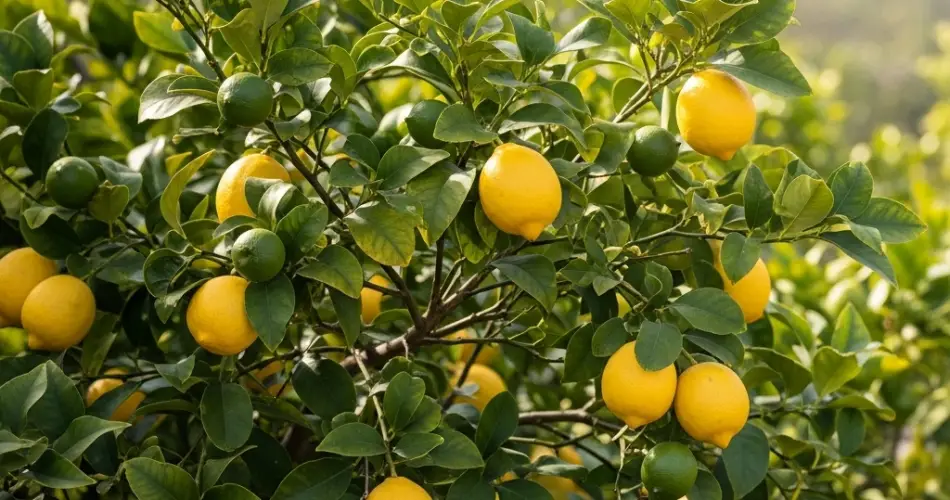
Lemon trees are more than just fruitful—they’re beautiful, aromatic, and surprisingly easy to grow from seed. Whether you’re dreaming of fresh lemons in your kitchen or simply want to fill your home or balcony with lush green leaves and delicate white blossoms, germinating a lemon tree can be a fulfilling and rewarding experience.
Even if you’re new to gardening, you can grow your own lemon tree from a seed using a few simple steps. With the right conditions and care, you can enjoy vibrant blooms and even homegrown lemons year-round.
Here’s how to germinate a lemon tree successfully and help it thrive all year long.
Why Grow a Lemon Tree from Seed?
Starting a lemon tree from seed is not only economical but also highly satisfying. Watching a plant grow from a tiny seed into a flourishing tree offers a deep sense of connection with nature.
Benefits of growing a lemon tree from seed:
-
Low-cost and accessible (you only need a lemon!)
-
Adds greenery and fragrance to your home
-
Can bloom and fruit indoors with the right care
-
Encourages patience and mindful gardening
While a seed-grown lemon tree may take several years to bear fruit, it will still offer year-round visual and aromatic rewards through its foliage and potential blossoms.
Step 1: Choose the Right Lemon and Extract the Seeds
Start with an organic lemon, since conventional lemons are often treated with chemicals that can inhibit seed germination.
How to extract seeds:
-
Slice open the lemon and gently remove the seeds.
-
Select plump, undamaged seeds—avoid any that look shriveled or dark.
-
Rinse the seeds under water to remove any pulp or sugar residue, which can attract mold during germination.
Step 2: Prepare the Seeds for Germination
To improve your chances of success, it’s important to prepare the seeds properly before planting.
-
Peel off the outer seed coat gently with your fingernail or a small knife. This step is optional but can speed up germination.
-
Soak the seeds in warm water for 6–8 hours. This softens the shell and helps trigger the germination process.
-
Wrap the seeds in a damp paper towel and place them in a resealable plastic bag.
-
Keep the bag in a warm, dark place such as a kitchen drawer or cupboard for 1–2 weeks.
-
Check every few days for mold and to ensure the paper towel stays moist.
Within 10–14 days, you should see tiny roots sprouting from the seeds.
Step 3: Plant the Germinated Seeds
Once the roots are visible, it’s time to plant the germinated seeds in soil.
Materials you’ll need:
-
Small pots with drainage holes
-
Well-draining potting soil (a mix designed for citrus or houseplants is ideal)
-
Spray bottle or watering can
Planting instructions:
-
Fill your pot with moist soil.
-
Plant the sprouted seeds about 1/2 inch deep, root side down.
-
Lightly water the soil and place the pot in a warm, sunny spot.
-
Cover the pot loosely with plastic wrap or a clear dome to create a greenhouse effect, which speeds up growth.
Once you see leaves, remove the covering and continue caring for the seedling like a regular houseplant.
Step 4: Care for Your Young Lemon Tree
Caring for a lemon seedling is simple, but consistency is key to achieving year-round health and eventual blooms.
Light:
Lemon trees love sun—at least 8 hours of bright, direct light daily. A south-facing window is ideal, or use a grow light if sunlight is limited.
Water:
Water when the top inch of soil feels dry. Lemon trees don’t like soggy roots, so ensure your pot drains well.
Fertilizer:
Feed with a balanced citrus fertilizer once the seedling has a few sets of true leaves. During the growing season (spring and summer), feed monthly.
Step 5: Encourage Blooming
To encourage your lemon tree to bloom (and eventually produce fruit), provide optimal conditions:
-
Bright light year-round
-
Cooler nighttime temperatures in winter (around 55–60°F / 13–16°C)
-
Humidity: Mist the leaves regularly or use a humidifier
-
Proper pruning to shape the tree and improve airflow
A lemon tree grown from seed can take several years to bloom. However, with the right care, it will develop into a lush, vibrant plant with fragrant blossoms and a striking presence.
Troubleshooting Common Issues
Even beginner gardeners may face challenges. Here’s how to handle a few common ones:
-
Yellow leaves: Likely due to overwatering or poor drainage.
-
No germination: Seeds may be too old, damaged, or not kept warm enough.
-
Slow growth: Check for enough light and avoid over-fertilizing.
Lemon trees are hardy and usually bounce back with minor adjustments to their care routine.
Final Thoughts
Growing a lemon tree from seed is a surprisingly simple yet deeply rewarding project. Whether your goal is to one day harvest lemons or simply enjoy the year-round greenery and blooms, the journey from seed to tree is full of beauty and learning. With a little patience, sunlight, and care, your lemon tree will flourish—filling your space with life and fragrance.