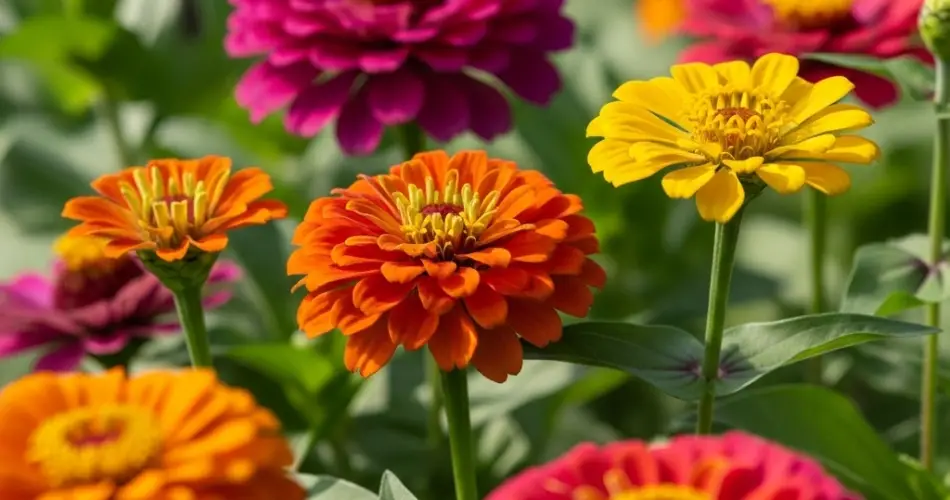
Zinnias are among the easiest and most rewarding flowers to grow from seed. With their vivid colors, varied forms, and long-lasting blooms, they can transform any garden bed or container into a vibrant display. These sun-loving annuals are perfect for beginners and seasoned gardeners alike, offering continuous flowers throughout the summer and well into fall. Plus, they attract pollinators like butterflies and bees, making them both beautiful and beneficial.
Here’s a step-by-step guide to growing zinnias from seed for a professional-looking garden full of color.
Why Grow Zinnias from Seed?
Zinnias grow quickly and reliably from seed. Starting them yourself gives you:
-
A wider selection of colors and varieties
-
Control over spacing and timing
-
Cost savings compared to buying nursery-grown plants
Whether you’re growing them in borders, raised beds, or containers, zinnias from seed are a simple way to get a lush and colorful garden in just a few weeks.
Choose the Right Zinnia Variety
There are many types of zinnias, and choosing the right one depends on your garden goals. Popular types include:
-
Zinnia elegans – The most common, with large blooms and many colors. Great for beds and bouquets.
-
Zinnia angustifolia – More compact, with smaller flowers. Ideal for containers and edging.
-
Zinnia haageana – Heat-tolerant, with bi-colored blooms perfect for hot climates.
Within these species, you’ll find a wide range of forms: single, double, cactus-flowered, and dahlia-like. Consider your space and desired aesthetic when selecting seeds.
When to Start Zinnias from Seed
Zinnias are warm-season annuals and should be planted after the danger of frost has passed. There are two ways to start them:
-
Direct sow outdoors: Sow seeds directly into the garden when the soil has warmed to at least 60°F (16°C).
-
Start indoors: Begin seeds 4–6 weeks before your last frost date, especially if you want earlier blooms.
Direct sowing is easiest, but indoor starting gives you a head start and better control over early growth.
How to Start Zinnia Seeds Indoors
To grow strong, healthy seedlings indoors:
-
Use seed-starting trays or small pots with good drainage.
-
Fill with lightweight, sterile seed-starting mix.
-
Sow seeds ¼ inch deep and lightly cover with soil.
-
Water gently and keep the soil moist but not soggy.
-
Place in a warm, bright location—ideally under grow lights or near a sunny window.
Seeds usually germinate in 5 to 7 days. Once seedlings have two sets of true leaves, thin them to one per cell or pot to prevent overcrowding.
Before transplanting outdoors, harden off your seedlings by gradually exposing them to outdoor conditions over 7–10 days.
How to Direct Sow Zinnia Seeds Outdoors
-
Choose a sunny location that receives at least 6–8 hours of direct sunlight daily.
-
Prepare the soil by loosening it to a depth of 6–8 inches and mixing in compost or organic matter.
-
Sow seeds ¼ inch deep and space them 2–3 inches apart in rows or clusters.
-
Water gently to settle the soil.
-
Once seedlings emerge, thin them to 6–12 inches apart, depending on the variety.
Proper spacing encourages good airflow, which helps prevent disease and promotes strong, bushy growth.
Care Tips for Healthy, Blooming Zinnias
Once your zinnias are established, they need minimal care but will thrive with the following practices:
1. Watering:
Water at the base to keep leaves dry and reduce the risk of powdery mildew. Allow the top inch of soil to dry out between waterings.
2. Fertilizing:
Zinnias aren’t heavy feeders, but a light monthly dose of balanced fertilizer (like 10-10-10) will boost flower production.
3. Deadheading:
Remove spent flowers regularly to encourage continuous blooming. This also helps keep the plants tidy.
4. Mulching:
Apply mulch around the base to retain moisture, suppress weeds, and maintain even soil temperature.
Pest and Disease Prevention
Zinnias are generally low-maintenance, but they can be affected by:
-
Powdery mildew – Avoid overhead watering and provide adequate spacing.
-
Aphids – Use a gentle spray of water or insecticidal soap to remove them.
-
Leaf spot – Remove affected leaves and ensure good airflow.
Choosing disease-resistant varieties and rotating plant locations each year can also help prevent problems.
Enjoying and Saving Zinnias
Zinnias are excellent cut flowers, lasting over a week in a vase. Cut blooms early in the morning and strip leaves from the stems before placing them in water.
If you’d like to grow zinnias again next year:
-
Let a few flowers go to seed at the end of the season.
-
Once seed heads dry on the plant, harvest and store them in a cool, dry place.
Final Thoughts
Growing zinnias from seed is one of the most satisfying ways to fill your garden with color and life. With their rapid growth, dazzling flowers, and natural pollinator appeal, zinnias are a gardener’s dream. By choosing the right varieties, giving them plenty of sun, and providing basic care, you’ll enjoy a long season of bold, beautiful blooms. Whether you’re planting a cottage garden, creating a pollinator patch, or simply brightening up a patio, zinnias deliver results that feel effortless yet professional.


