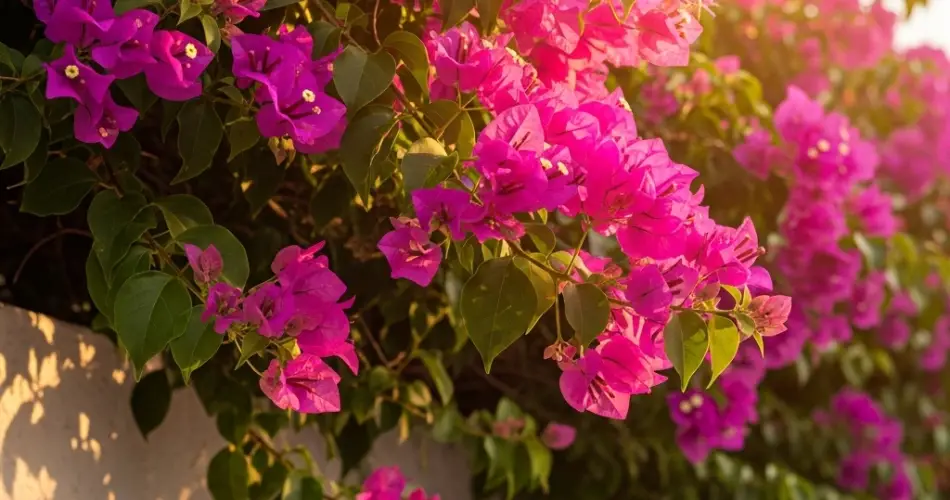
Bougainvillea is a tropical showstopper known for its vivid, papery bracts that come in shades of magenta, orange, white, red, pink, and purple. While many grow this plant for its ornamental charm, some gardeners find it tricky to encourage consistent blooming. The good news is that with the right conditions and care, bougainvillea can bloom profusely multiple times a year, rewarding you with a spectacular burst of color.
Here’s how to encourage more flowers on your bougainvillea and keep it thriving throughout the growing season.
1. Understand What Bougainvillea Needs to Bloom
Bougainvillea blooms best when slightly stressed. Overwatering or overfeeding can result in leafy growth with few flowers. To promote blooming, you’ll want to simulate the conditions it thrives in naturally—warm, sunny, and somewhat dry.
The vibrant color seen on bougainvillea isn’t from actual petals, but modified leaves called bracts. These bracts surround tiny white flowers and are the main attraction. Proper care encourages both the formation of flowers and their striking bracts.
2. Maximize Sunlight Exposure
Bougainvillea is a sun-loving plant. It needs at least 6 hours of direct sunlight daily to bloom reliably.
-
The more sun it gets, the more it will bloom.
-
Choose a south- or west-facing location in your garden or balcony.
-
Avoid planting or placing it in shaded areas, as this will result in weak growth and fewer or no blooms.
If growing indoors or in a container, move the plant outdoors during sunny seasons.
3. Water Sparingly
One of the most common mistakes with bougainvillea is overwatering. While it’s important to water newly planted bougainvilleas more frequently until they’re established, mature plants prefer dry conditions.
-
Water only when the top 2 inches of soil are dry.
-
Let the soil dry out between watering sessions.
-
Avoid soggy soil or daily watering, especially in cooler seasons.
Slight drought stress actually encourages the plant to bloom more as part of its survival response.
4. Use the Right Soil and Pot
Well-draining soil is essential for a healthy root system and flower production.
-
Use a loose, sandy, or loamy soil with good drainage.
-
Avoid heavy clay soils or dense potting mixes that retain water.
-
If growing in containers, ensure the pot has drainage holes and use a soil mix designed for cactus or succulents.
Bougainvillea also likes to be root-bound, so avoid frequent repotting or using oversized containers.
5. Feed Carefully
Feeding bougainvillea too often, especially with high-nitrogen fertilizers, will result in vigorous leaf growth with minimal flowering.
Instead:
-
Use a balanced fertilizer or one higher in phosphorus (like 5-10-10) every 4–6 weeks during the growing season.
-
Avoid fertilizers high in nitrogen, which promote leafy growth instead of blooms.
-
Stop feeding during dormancy or the winter months in cooler climates.
A fertilizer rich in phosphorus supports flower development and vibrant color.
6. Prune Regularly and Strategically
Pruning bougainvillea helps shape the plant, remove deadwood, and encourage new flowering wood. Flowers form on new growth, so regular pruning is essential.
How to prune:
-
After each blooming cycle, trim back old stems to encourage new branches.
-
Remove any weak, thin, or tangled stems.
-
Don’t over-prune—leave enough foliage for the plant to recover and photosynthesize.
A light trim every few months can help maintain a bushier shape and encourage waves of bloom.
7. Provide the Right Temperature
Bougainvillea loves warmth. It flourishes in USDA zones 9 to 11 but can be grown in containers and overwintered indoors in cooler climates.
-
Ideal daytime temperatures: 70–85°F (21–29°C)
-
Cooler nighttime temperatures below 50°F (10°C) may slow growth and reduce blooming.
-
Protect the plant from frost and sudden cold spells.
In cooler zones, bring container-grown bougainvillea indoors during winter and reduce watering.
8. Apply Flower-Boosting Stress
Bougainvillea often blooms best when slightly stressed. If your plant is healthy but not flowering:
-
Allow the soil to dry out for a few days more than usual.
-
Withhold fertilizer temporarily.
-
Provide plenty of sunlight and slightly reduce watering until the plant begins forming buds.
This light stress triggers blooming, mimicking dry-season conditions in the plant’s native environment.
9. Watch for Pests and Disease
Healthy bougainvilleas bloom more. Regularly check for:
-
Aphids
-
Mealybugs
-
Spider mites
Use insecticidal soap or neem oil to treat infestations. Avoid overwatering and crowded conditions, which can lead to fungal diseases like root rot.
10. Grow in the Right Spot
If your bougainvillea is in a pot, rotate it regularly to ensure even sun exposure. If growing in the ground, make sure it’s planted in a warm, open space where it can receive full light.
A healthy, sun-drenched bougainvillea will naturally produce flowers in cycles throughout the warm months.
Final Thoughts
Getting more flowers from your bougainvillea comes down to striking a balance: plenty of sun, minimal watering, careful feeding, and occasional stress. With the right care and attention, your bougainvillea will reward you with a spectacular, colorful display that brightens up your garden, patio, or balcony. Just remember—less pampering and more sunshine is often the key to more blooms.


