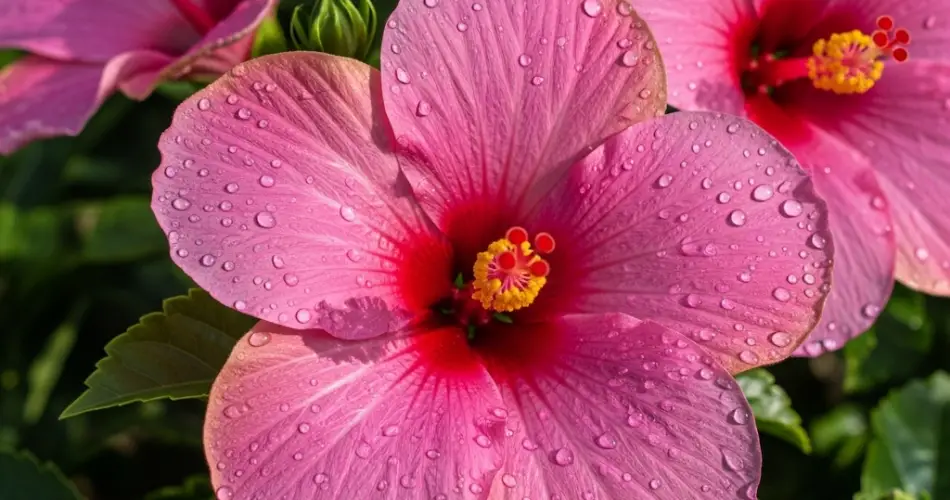
Hibiscus plants are famous for their large, exotic blooms that bring a bold splash of tropical color to any garden or patio. While they’re often associated with summer, with the right care, hibiscus plants can bloom continuously for much of the year—even year-round in warmer climates or indoors.
Whether you’re growing tropical hibiscus (Hibiscus rosa-sinensis) or the hardy perennial types, encouraging frequent blooming requires attention to sunlight, feeding, watering, and regular pruning. If your hibiscus seems to flower only occasionally or has stopped blooming altogether, a few simple changes can help trigger non-stop blooms.
Here’s how to grow hibiscus plants that flower again and again.
1. Choose the Right Hibiscus Variety
To get ongoing blooms, it’s important to choose the right hibiscus type. Tropical hibiscus plants are ideal for warm climates or container growing. They produce the showiest, most frequent blooms when cared for correctly.
Tropical Hibiscus:
-
Grows best in zones 9–11 or indoors in colder climates.
-
Produces flowers nearly year-round in warm, sunny conditions.
-
Comes in many vibrant colors and petal shapes.
Hardy Hibiscus:
-
Tolerates colder climates (zones 5–9).
-
Blooms from mid-summer through early fall.
-
Has large, striking flowers, often in pink, red, or white.
If you’re aiming for long bloom cycles, tropical hibiscus in containers gives the most control over temperature, water, and light.
2. Give Plenty of Direct Sunlight
Hibiscus thrives on sunlight and needs at least 6 hours of direct sun per day to bloom regularly.
-
Outdoors: Choose a sunny spot, preferably south-facing.
-
Indoors: Place near a bright window or supplement with grow lights.
Insufficient light is one of the main reasons hibiscus plants stop blooming. Without strong light, the plant may survive, but flowering will be limited or non-existent.
3. Water Wisely and Regularly
Hibiscus loves moisture, especially when actively growing and blooming, but it’s sensitive to water stress.
Watering Tips:
-
Water deeply when the top inch of soil feels dry.
-
Keep the soil consistently moist during the growing season (spring through early fall).
-
Reduce watering in winter if the plant slows down or goes semi-dormant.
-
Avoid waterlogged soil—ensure proper drainage in pots.
A thirsty hibiscus will drop buds before they open, while overwatering can lead to root rot.
4. Use Nutrient-Rich, Well-Draining Soil
Hibiscus performs best in fertile, well-draining soil rich in organic matter.
-
Use potting mix designed for flowering plants, with added compost or coconut coir for moisture retention.
-
For garden beds, amend with compost or aged manure before planting.
Good drainage is key—hibiscus roots don’t like to sit in soggy soil.
5. Feed Regularly for Repeated Blooms
Hibiscus is a heavy feeder and needs regular fertilization to bloom consistently.
Fertilizer Schedule:
-
Use a balanced or slightly high-potassium fertilizer (e.g., 10-10-20 or 15-30-15).
-
Feed every 2 weeks during spring and summer.
-
Cut back to monthly or stop feeding during the cooler months.
Excess nitrogen encourages lush leaves but fewer flowers. Choose a bloom-boosting fertilizer and always follow the label instructions.
6. Prune to Encourage New Growth
Regular pruning helps hibiscus maintain a compact shape and directs energy toward flower production.
How to Prune:
-
Trim back leggy stems in early spring before the growth season begins.
-
Pinch off branch tips during the growing season to promote bushier growth and more buds.
-
Remove spent flowers and yellowing leaves to keep the plant tidy and healthy.
Pruning encourages new shoots, which are more likely to produce buds.
7. Protect from Pests and Stress
Hibiscus plants are prone to pests like aphids, spider mites, and whiteflies, which can sap energy and reduce blooms.
Preventative Care:
-
Inspect leaves weekly for signs of insects.
-
Spray with insecticidal soap or neem oil as needed.
-
Avoid letting the plant dry out or become rootbound—both stress conditions that lead to fewer flowers.
Maintaining a healthy, pest-free plant ensures more consistent flowering.
8. Manage Temperature and Humidity
Tropical hibiscus needs warm, stable temperatures to keep blooming.
-
Ideal range: 60–90°F (15–32°C)
-
Avoid temps below 50°F (10°C)—the plant may drop buds or go dormant.
-
Maintain high humidity, especially indoors—use a humidifier or place the pot on a tray of water and pebbles.
If you live in a cooler region, bring container plants indoors for winter or grow hibiscus as a houseplant in a bright, warm spot.
Final Thoughts
With the right combination of light, water, nutrients, and care, hibiscus can reward you with an ongoing display of vivid tropical flowers. The key to non-stop blooms is consistency—don’t let the plant dry out, starve, or sit in a dark corner.
Keep it well-fed, sun-soaked, and pruned, and you’ll enjoy stunning flowers almost year-round. Whether on a patio, in a sunny garden bed, or as a bright indoor showpiece, a thriving hibiscus brings a touch of paradise to any space.


