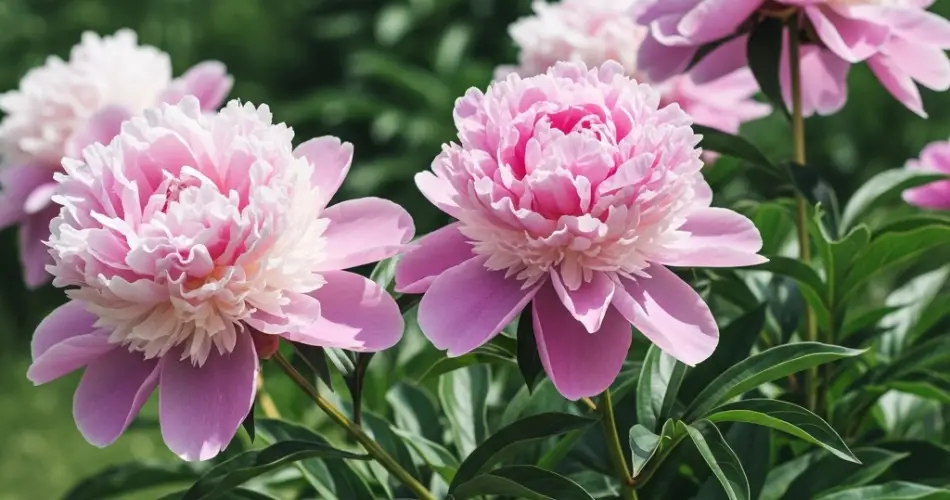
Peonies are timeless garden favorites, known for their lush, fragrant flowers and impressive longevity. A single peony plant can bloom beautifully for decades—sometimes even up to 100 years—if given the right care. However, many gardeners are surprised and disappointed when their peonies fail to bloom year after year.
The good news is that peonies are not difficult to grow, but they do have specific needs that must be met for reliable flowering. Whether you’re just planting peonies or troubleshooting a plant that’s been flowerless for seasons, here’s how to ensure your peonies bloom every year.
1. Choose the Right Location
Peonies thrive in full sun and need at least 6–8 hours of direct sunlight per day to produce blooms. If your peony is in a shady area, it’s unlikely to flower well—if at all.
Ideal spot:
-
Open, sunny locations with good air circulation
-
Protected from strong winds (which can snap heavy flower stems)
-
Away from competing tree roots or dense shrubs
If your peony is already in a less-than-ideal location, consider transplanting it in the fall to a sunnier spot.
2. Plant at the Correct Depth
One of the most common reasons peonies don’t bloom is that they are planted too deep. The buds, also known as “eyes,” should be no more than 1 to 2 inches (2.5–5 cm) below the soil surface.
Planting tips:
-
For bare-root peonies, position the eyes just below the surface.
-
In warmer climates, keep them even shallower—closer to 1 inch.
-
Planting too deep prevents the plant from sensing seasonal cues like winter chill and spring warmth.
If your peony is buried too deeply, carefully lift and replant it at the right depth in fall.
3. Give Them Cold Winters
Peonies require a period of winter chill to set buds and bloom. Without this dormancy, they may produce foliage but fail to flower. This is why peonies are best suited for USDA zones 3–7.
If you live in a warm climate:
-
Choose varieties better suited for mild winters, like Paeonia lactiflora hybrids.
-
Chill the roots in the fridge for 6–8 weeks before planting (for container-grown peonies).
Peonies grown in tropical or very warm zones may not bloom well due to the lack of sufficient cold dormancy.
4. Be Patient with Young Plants
Peonies are slow starters. It’s normal for newly planted peonies to take 2–3 years before they bloom reliably. In their first year, they focus on root development. In the second, you may get a few small blooms. By the third year, most healthy peonies hit their stride.
Avoid over-fertilizing young plants, as this can encourage leafy growth at the expense of flowers. Stick to a light feeding in spring until the plant matures.
5. Provide Balanced Nutrition
Peonies don’t need heavy feeding, but they benefit from the right nutrients at the right time.
Fertilizer guide:
-
Apply a balanced, slow-release fertilizer (like 10-10-10) in early spring as shoots emerge.
-
Avoid high-nitrogen fertilizers, which encourage leafy growth over flowers.
-
You can also top-dress with compost or well-rotted manure in early spring.
Avoid feeding after mid-summer, as this can interfere with dormancy preparation.
6. Support and Prune Wisely
Large peony flowers can become top-heavy, especially after rain. Providing support helps prevent stems from bending or snapping, which can damage the plant and reduce flowering.
Tips:
-
Use a peony ring or simple garden stakes to hold blooms upright.
-
Deadhead spent blooms promptly to direct energy back into the roots.
-
In fall, after frost kills the foliage, cut the stems down to ground level to prevent disease carryover.
Good hygiene encourages healthy regrowth the following spring.
7. Watch for Disease and Pests
Peonies are generally low-maintenance but can suffer from fungal diseases like botrytis blight, which causes blackened stems and buds. Wet, crowded conditions increase the risk.
To prevent issues:
-
Space plants to allow airflow
-
Water at the base to avoid wetting foliage
-
Remove and dispose of infected leaves or stems promptly
Insect pests are rare but can occasionally bother young shoots or buds. Neem oil or insecticidal soap can help in severe cases.
8. Divide Only When Necessary
Unlike many perennials, peonies don’t need frequent dividing. In fact, dividing them too often can interrupt their blooming cycle.
Divide peonies only if:
-
The center of the clump has become woody or bare
-
The plant has outgrown its space
-
You want to propagate it
Do this in fall, making sure each new division has at least 3–5 eyes and a good portion of root. Replant at the correct depth for best results.
Final Thoughts
Peonies are one of the most rewarding perennials when properly cared for. With the right sunlight, planting depth, patience, and seasonal care, your peonies can reward you with abundant blooms year after year. Whether you’re starting fresh or reviving an underperforming plant, following these tips will help you grow a spectacular display of flowers that come back stronger each season.


