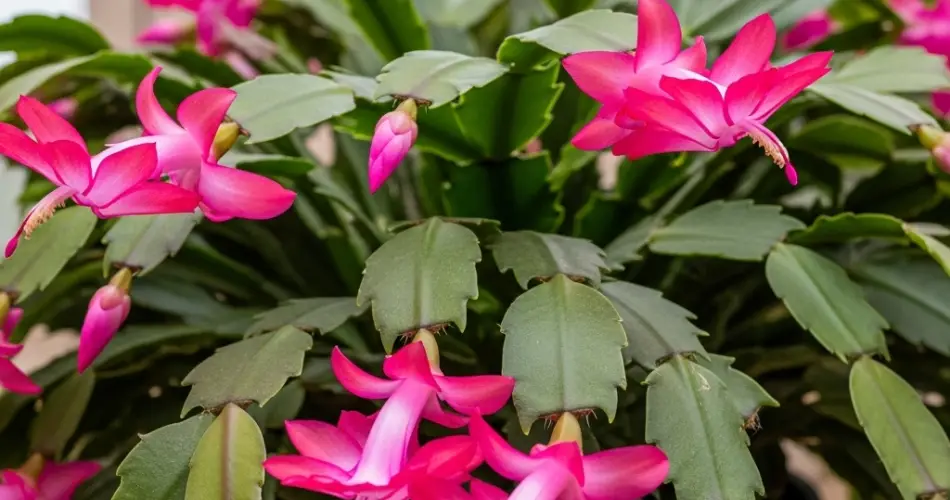
The Christmas cactus (Schlumbergera spp.) is a holiday favorite, known for its vibrant, tubular blooms that appear just in time to brighten homes during the festive season. However, getting your Christmas cactus to bloom precisely around December can be tricky without the right care and timing.
Unlike desert cacti, Christmas cactus is native to the cool, shady forests of Brazil, which means it thrives under very different conditions. Encouraging it to flower on time involves mimicking its natural environment and understanding its specific light, temperature, and watering needs. If your plant isn’t blooming or is blooming too early or late, a few simple adjustments can make all the difference.
Here’s how to get your Christmas cactus to bloom right on schedule every holiday season.
1. Understand the Blooming Cycle
Christmas cacti are short-day plants, meaning they need long nights and cooler temperatures to trigger flower bud development. In their natural habitat, they bloom when daylight hours shorten in the fall. You’ll need to replicate this cycle indoors to ensure timely flowering.
To get blooms by mid to late December, you should begin preparing the plant around late September or early October.
2. Limit Light Exposure
The most critical factor for bloom timing is light control. Christmas cacti require at least 12–14 hours of darkness each night for about 6 weeks to set buds. Any exposure to artificial light during the evening can delay or prevent blooming.
Light adjustment tips:
-
Place the plant in a room that remains dark after sunset (avoid bright TVs, lamps, or streetlights).
-
Alternatively, cover the plant with a light-blocking box or cloth from dusk until dawn each night.
Maintain this darkness routine consistently for about 6 weeks, and buds should start to form.
3. Lower the Temperature
Cool temperatures signal the plant to begin its bloom cycle. Ideally, keep your Christmas cactus in a space that stays between 50–60°F (10–15°C) at night. Daytime temperatures should stay below 70°F (21°C).
Where to place it:
-
An unheated guest room, sunroom, or garage with a window can be ideal.
-
Avoid placing it near heaters, fireplaces, or warm appliances.
Once buds appear, gradually move the plant to a warmer, brighter area to enjoy the flowers.
4. Adjust Watering Schedule
Watering plays an important role during the blooming phase. Reduce watering slightly during the bud-setting period, allowing the top inch of soil to dry out before watering again. This mimics the dry season in the plant’s natural habitat and encourages blooming.
After buds appear:
-
Increase watering slightly to support blooming.
-
Keep the soil evenly moist, but never soggy.
Overwatering during bud formation may cause buds to drop before opening, while underwatering may stunt growth.
5. Feed Lightly at the Right Time
Fertilizing helps support healthy growth and blooms, but timing matters.
Fertilizer guide:
-
Stop feeding the plant about a month before you start the dark/light treatment in the fall.
-
Once buds form, resume feeding every 2–4 weeks with a balanced liquid houseplant fertilizer diluted to half strength.
-
Continue feeding through blooming, then reduce during the plant’s rest period after flowering.
Avoid high-nitrogen fertilizers, as these promote foliage growth rather than blooms.
6. Handle With Care During Budding
Once flower buds appear, it’s important not to move or stress the plant too much. Changes in environment—like light, temperature, or water—can cause buds to fall off.
Tips for success:
-
Avoid repotting or rotating the plant during the budding phase.
-
Keep it in a consistent location with bright, indirect light and moderate temperatures.
-
If you need to move it, do so gently and return it to similar conditions.
When properly cared for, the plant will reward you with vibrant flowers that last several weeks.
7. Aftercare Post-Bloom
After the blooming period, the Christmas cactus enters a short rest phase.
Post-bloom care:
-
Reduce watering and stop fertilizing for about a month.
-
Keep the plant in bright, indirect light and cooler temperatures if possible.
-
Resume regular care as new growth begins, usually in late winter or early spring.
This rest period is essential for the plant to recover and prepare for the next blooming cycle.
Final Thoughts
Getting a Christmas cactus to bloom on time isn’t difficult once you understand its natural cues. By mimicking the plant’s native light and temperature changes and adjusting your watering and feeding habits, you can enjoy a spectacular show of festive flowers right when you want them.
With consistency and a little patience, your Christmas cactus can bloom reliably every year—becoming a beautiful and cherished part of your holiday tradition.


