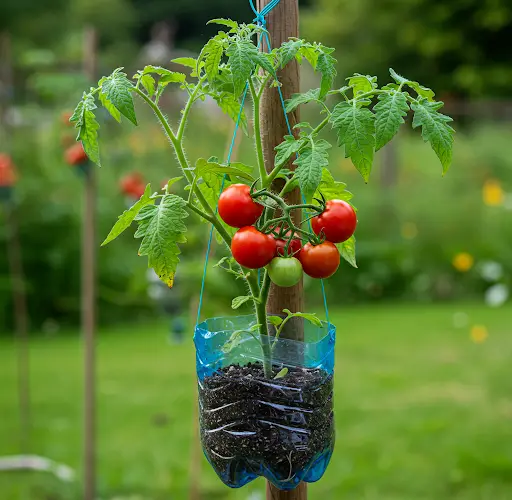
How to Grow Tomato Plants in Hanging Plastic Bottles at Home
With the rising popularity of home gardening, many people are discovering creative ways to grow fresh produce in small spaces. One of the most efficient and eco-friendly methods is using recycled plastic bottles to grow tomato plants. This approach not only helps reduce plastic waste but also provides a sustainable and space-saving way to enjoy homegrown tomatoes, even in an apartment or balcony.
Tomatoes are among the most rewarding plants to grow because they are relatively easy to care for and produce an abundance of fruit. Using hanging plastic bottles adds a unique twist to container gardening, allowing you to utilize vertical space efficiently.
Why Use Hanging Plastic Bottles for Tomatoes?
Using hanging plastic bottles to grow tomatoes is a smart choice for several reasons:
-
Space-saving: Perfect for balconies, patios, fences, or small gardens.
-
Eco-friendly: Reuses plastic bottles that would otherwise go to waste.
-
Improved air circulation: Helps prevent common tomato diseases.
-
Portable: Bottles can be moved easily to catch the sun.
-
Low-cost: Requires minimal investment with common household materials.
This method is ideal for those with limited gardening space or anyone looking for a fun, DIY gardening project.
What You’ll Need
To get started, gather the following materials:
-
Large plastic bottles (1.5 to 2-liter soda bottles work well)
-
Tomato seedlings or seeds (cherry or dwarf varieties are best)
-
Sharp knife or scissors
-
String, wire, or sturdy rope for hanging
-
Potting soil mixed with compost or organic fertilizer
-
Small piece of cloth or sponge (for the bottle neck)
-
Watering can or spray bottle
Step-by-Step Instructions
1. Prepare the Bottles
Clean the plastic bottles thoroughly and remove any labels. Cut off the bottom of the bottle (about 2–3 inches from the end) to create an opening for adding soil and watering.
Flip the bottle upside down so the cap end faces downward. Poke a few small holes in the cap to allow for drainage. Alternatively, you can remove the cap and insert a small piece of sponge or cloth to prevent soil from falling out while allowing water to drain.
2. Make Openings for the Plant
Near the neck of the bottle (now at the bottom), cut a small X-shaped slit or round hole big enough for a seedling to fit through. This is where your tomato plant will grow out from. Be gentle while inserting the seedling through the hole to avoid damaging the stem or roots.
If you’re starting from seed, sow 2–3 seeds in the bottle, just above the bottle neck. Once the seedlings sprout, thin out the weaker ones, leaving the healthiest plant.
3. Fill with Soil
Add potting soil mixed with compost into the bottle through the open top (formerly the bottom). Fill the bottle about three-quarters full, making sure the seedling or root ball is well supported and in place.
Tomatoes grow best in nutrient-rich, well-draining soil, so make sure your soil mix contains compost or organic fertilizer to help the plant thrive.
4. Hang the Bottles
Secure the bottle using strong string or wire. You can loop it around the neck of the bottle or use holes near the cut edge to tie it. Hang the bottles from a hook, railing, or balcony where they’ll receive at least 5–6 hours of sunlight per day.
If hanging multiple bottles, make sure there’s enough space between them to allow airflow and sunlight to reach each plant.
Caring for Your Hanging Tomato Plants
Watering
Tomatoes require consistent moisture, especially when fruiting. Water the plant gently from the open top of the bottle. Since bottles can dry out quickly, check the soil regularly and water daily in hot weather.
Fertilizing
Feed the plants every two weeks with a diluted organic fertilizer or compost tea. Tomato plants are heavy feeders, especially during flowering and fruiting stages.
Pruning
As the plant grows, remove the lower leaves and any side shoots (suckers) to promote upward growth and better fruiting. Support the vines by tying them gently to the string if they become too heavy.
Pollination
If you’re growing tomatoes indoors or in an area with limited wind or insects, gently shake the flowers or use a small brush to help with pollination.
Pests and Disease
Keep an eye out for common tomato pests like aphids or whiteflies. Use organic solutions such as neem oil or insecticidal soap if needed. Good air circulation from the hanging position helps reduce the risk of fungal diseases.
Harvesting
Tomatoes are ready to harvest when they are fully colored and slightly soft to the touch. Pick them regularly to encourage more fruit production. Cherry and dwarf varieties are especially suited for bottle growing and will reward you with clusters of sweet, juicy fruits.
Conclusion
Growing tomato plants in hanging plastic bottles is a brilliant way to enjoy fresh, homegrown produce without needing a lot of space or money. This method is environmentally friendly, functional, and a fun way to get into urban gardening.
With just a few recycled bottles, some soil, and a sunny spot, you can grow your own tomatoes right at home. Whether you’re a beginner gardener or looking for new ways to grow sustainably, this technique is a smart and rewarding choice.


