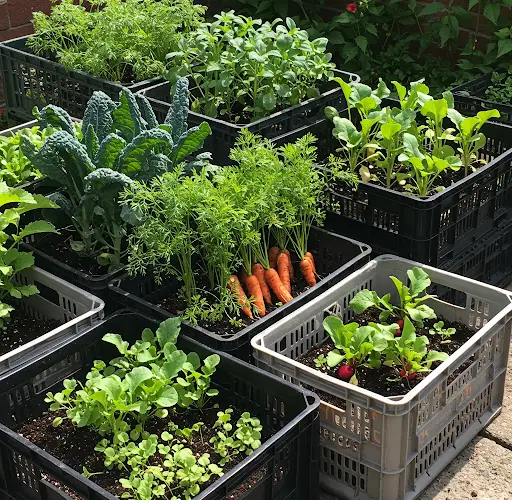
Recycle Second-Hand Plastic Crates to Grow Organic Vegetables at Home
Growing your own organic vegetables is a rewarding way to ensure healthy, chemical-free food for your family. But not everyone has the luxury of a large garden or backyard. Fortunately, with a bit of creativity, you can turn second-hand plastic crates into practical and productive containers for a home vegetable garden. This method is not only budget-friendly and space-saving, but it also contributes to sustainable living by giving new life to old materials.
Whether you live in a house with limited outdoor space or an apartment with just a small balcony, plastic crate gardening is an easy and eco-friendly solution to grow fresh, organic produce right at home.
Why Use Plastic Crates?
Plastic crates are strong, lightweight, stackable, and designed for ventilation — features that make them surprisingly ideal for container gardening. Here’s why they work so well:
-
Good drainage and airflow for healthy root systems
-
Easy to move around to catch the sun or shelter plants from harsh weather
-
Durable and reusable, lasting through multiple growing seasons
-
Customizable — can be lined, stacked, painted, or cut to suit your needs
-
Affordable or free if repurposed from local markets or warehouses
Using these crates helps reduce plastic waste and encourages upcycling in your garden.
What You Can Grow
Plastic crates are versatile and can support a variety of organic vegetables and herbs. Some of the best options include:
-
Leafy greens like spinach, lettuce, arugula, and kale
-
Herbs such as basil, mint, cilantro, and parsley
-
Green onions, chives, and garlic
-
Root vegetables like radishes, beets, or small carrots (with deeper crates)
-
Cherry tomatoes or chili peppers in larger or stacked crates
With thoughtful placement, you can even grow different plants in one crate using sections or dividers.
Materials You’ll Need
-
Second-hand plastic crates (cleaned and structurally sound)
-
A liner (such as burlap, old fabric, or landscape fabric) to hold soil in
-
Potting mix rich in compost or organic matter
-
Seeds or seedlings of your chosen vegetables
-
Mulch (like dried leaves or straw)
-
Optional: bricks, wooden planks, or stands for stacking/crate support
How to Prepare the Crates
-
Clean Thoroughly
Wash the crates with soap and water to remove any residue, especially if they were used for transporting goods. This helps prevent disease or pest issues. -
Add a Liner
Because plastic crates have open slats or holes, line the inside with a breathable material that holds soil while still allowing drainage. Options include old cloth, burlap sacks, or breathable weed barrier fabric. -
Fill with Soil
Use high-quality potting mix combined with compost or aged manure. This will provide nutrients for your vegetables to grow organically. Avoid using garden soil alone as it may be too compact for crate growing. -
Plant Your Crops
Sow seeds or transplant seedlings based on spacing requirements. Most greens and herbs don’t require deep soil, so even shallow crates will work well. Deeper-rooted crops may need double-stacked or larger crates. -
Add Mulch
Apply a layer of mulch on top to retain moisture, reduce weeds, and protect roots from heat.
Care and Maintenance
Watering:
Crates can dry out faster than traditional garden beds, so keep an eye on soil moisture. Water deeply but avoid flooding. Morning is the best time to water to reduce evaporation.
Sunlight:
Place the crates where they receive at least 4–6 hours of sunlight daily. You can move them around easily to follow the sun if needed.
Fertilizing:
Feed plants every couple of weeks with compost tea or natural fertilizers like fish emulsion or seaweed extract to keep growth vigorous and chemical-free.
Pest Control:
Organic gardening means avoiding synthetic pesticides. Use natural deterrents like neem oil, garlic spray, or companion planting (like basil near tomatoes) to ward off pests.
Stacking Tips:
If stacking crates for vertical gardening, ensure the base is stable. Add bricks or a wooden frame to secure the bottom level. Avoid stacking too high if weight becomes an issue.
Creative Uses and Layouts
You can arrange crates in rows along a wall, stack them into a tiered garden, or line them along balcony railings. Some people even attach them to fences or walls like hanging planters.
For visual interest, paint the crates or decorate them with natural materials. You can create themed crates for herbs, salad greens, or stir-fry vegetables, making harvesting fun and organized.
Conclusion
Repurposing second-hand plastic crates to grow organic vegetables at home is a simple, smart, and sustainable gardening method. It allows anyone—regardless of space or budget—to enjoy fresh, healthy produce grown with their own hands. With just a few crates, quality soil, and a sunny spot, you can start your own green corner and experience the joy of growing food the eco-friendly way.
Whether you’re a beginner looking to start small or a seasoned gardener exploring new ideas, this method offers flexibility, creativity, and the rewarding taste of homegrown success.


