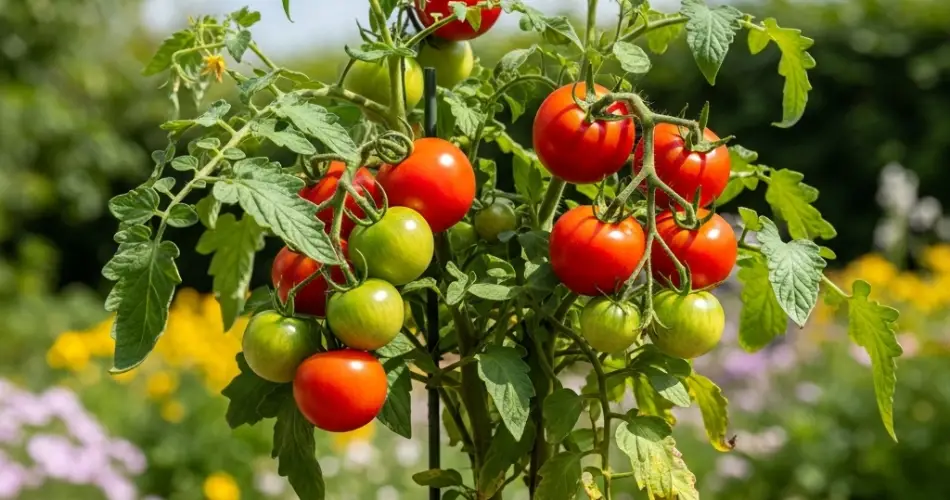
Growing tall tomato plants in small pots may seem like a challenge, but with the right techniques, you can enjoy a healthy harvest even in limited space. Whether you’re gardening on a balcony, patio, or small backyard, compact containers can still support vigorous tomato growth if you pay close attention to variety selection, soil quality, watering, and support systems.
Choose the Right Tomato Variety
Start by selecting tomato varieties that perform well in containers but still grow tall. Indeterminate (vining) types are ideal for those who want continuous harvests and tall plants. Some excellent container-friendly indeterminate varieties include ‘Sweet Million’, ‘Sungold’, ‘Juliet’, and ‘Cherokee Purple’. These varieties grow upward rather than bush out, making them better suited for vertical space.
While determinate tomatoes are shorter and produce a single crop, indeterminate tomatoes continue producing throughout the season, which makes them perfect for vertical training in small containers.
Pick the Right Container Size
Though you’re using a small pot, there’s a minimum size to keep in mind. A container with at least 5 gallons of capacity (roughly 12 inches deep and wide) is essential. Smaller pots will dry out too quickly and restrict root development, stunting growth. Fabric grow bags, deep buckets, or plastic pots with drainage holes work well.
If possible, go for self-watering containers to reduce the frequency of watering and to keep the roots consistently moist.
Use High-Quality Potting Mix
Tomatoes thrive in rich, well-draining soil. Use a high-quality potting mix rather than garden soil. Potting mixes are lighter, contain better aeration, and usually come pre-mixed with organic matter and nutrients. You can further enrich the mix with a handful of compost or worm castings for a slow-release boost.
Avoid compacted or heavy soils that can choke the roots. Light, fluffy soil promotes deep root growth, which is crucial for growing tall and healthy tomato plants in confined spaces.
Provide Strong Support Early
Tall tomatoes need support as soon as they start growing. Install stakes, cages, or trellises at the time of planting. This avoids disturbing the roots later and encourages the plant to grow vertically from the start.
Bamboo poles, tomato cages, or DIY vertical strings tied to an overhead beam are great options. As the plant grows, gently tie the stem to the support using soft ties or strips of cloth. Check regularly and continue to secure new growth to prevent bending or breaking.
Water Regularly and Consistently
Pots dry out faster than garden beds, so consistent watering is key. Tomatoes dislike both underwatering and overwatering. Water deeply when the top inch of soil feels dry, and always ensure the container has good drainage to prevent soggy roots.
In hot climates, daily watering may be necessary. To retain moisture and keep roots cool, mulch the soil surface with straw, shredded bark, or dried leaves.
Feed for Growth
Tomatoes are heavy feeders, especially when grown in containers. Use a balanced liquid fertilizer (such as a 10-10-10 or a tomato-specific formula) every 10–14 days, or follow the label instructions. Once the plant starts flowering, switch to a fertilizer with more phosphorus and potassium to support fruit development.
You can also mix in slow-release organic fertilizers at planting time and supplement with compost tea or diluted fish emulsion.
Prune for Better Growth
Regular pruning encourages upward growth and prevents the plant from becoming too bushy. Remove the lower leaves that touch the soil, and pinch off the suckers (the small shoots that grow between the main stem and leaf branches).
This helps direct energy toward vertical growth and fruit production. Be careful not to over-prune—maintain enough foliage to support photosynthesis and protect fruits from sunscald.
Monitor Pests and Diseases
Container-grown tomatoes are generally less prone to soil-borne diseases, but they’re still vulnerable to pests like aphids, whiteflies, and spider mites. Inspect your plants daily. If you spot pests, use organic insecticidal soap or a spray of diluted neem oil.
Also watch for signs of disease such as yellowing leaves or black spots. Good air circulation and proper pruning help reduce disease risk.
Rotate and Refresh
If you’re growing in the same pots season after season, be sure to rotate your crops or refresh the soil annually. Tomatoes are susceptible to nutrient depletion and soil-borne diseases if grown repeatedly in the same soil.
Either replace the old soil completely or amend it with compost and organic matter before planting a new crop.
With thoughtful care and the right setup, even small pots can support tall, productive tomato plants. Whether you’re growing on a balcony or a tiny patio, this method allows you to enjoy fresh, homegrown tomatoes with limited space. Just remember—choose the right variety, provide sturdy support, feed and water consistently, and watch your tomatoes grow tall and strong.


