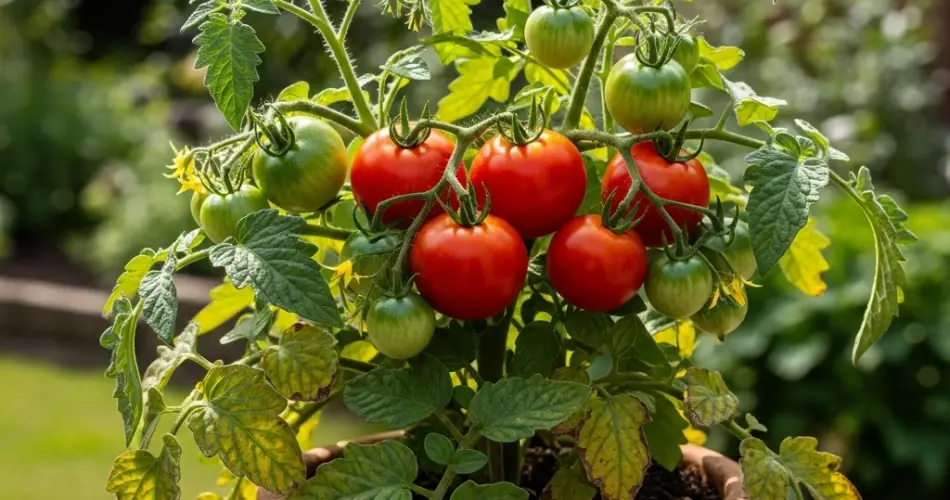
Growing tomatoes in containers is a practical and rewarding solution for home gardeners, especially those with limited space. Whether you live in an apartment with a small balcony or a house with a compact patio, container gardening offers the flexibility to grow fresh, juicy tomatoes all season long. What makes certain tomato varieties especially attractive is their ability to continue producing fruit for months with proper care. This guide explores how to choose, plant, and maintain container tomatoes that yield a consistent and generous harvest.
Choosing the Right Tomato Variety for Containers
Not all tomato varieties are suited for container gardening. For continuous production, opt for indeterminate types. These tomatoes grow like vines and keep producing fruit until the first frost. They can reach several feet in height, making them ideal for larger containers and vertical supports.
Here are some productive container-friendly varieties:
-
Cherry Tomatoes (e.g., Sweet 100, Sungold) – These are prolific and thrive in pots, often yielding clusters of sweet, bite-sized tomatoes.
-
Roma or Plum Tomatoes (e.g., San Marzano) – Though technically determinate, some cultivars produce over an extended period.
-
Beefsteak (e.g., Big Boy) – A larger plant that can still be grown in large containers with proper support.
Selecting the Ideal Container
Tomatoes have extensive root systems and need space to grow. A container that holds at least 5 gallons of soil is the minimum, though 10-gallon pots are better for larger varieties. Choose containers made of food-safe plastic, clay, fabric, or even recycled buckets and crates, as long as they have:
-
A depth of at least 12–18 inches.
-
Drainage holes to prevent root rot.
-
Stability to support tall plants and trellising systems.
Self-watering containers are also a great option, helping maintain consistent moisture.
Potting Mix and Soil Preparation
Good soil is the foundation of healthy, productive tomato plants. Use a high-quality potting mix that retains moisture but drains well. Avoid garden soil, which may be too compact and harbor pests.
To enrich your potting mix:
-
Add compost or aged manure for nutrients.
-
Mix in perlite or coconut coir for improved aeration.
-
Blend in a slow-release organic fertilizer to support initial growth.
Before planting, ensure the soil is slightly moist but not soggy.
Planting and Supporting Your Tomatoes
Once your containers and soil are ready, plant tomato seedlings deeply, burying part of the stem to encourage a stronger root system. Space one tomato plant per container to avoid crowding.
Tomatoes, especially indeterminate types, need support. Install cages, stakes, or trellises at the time of planting to prevent disturbing the roots later. As the plant grows, tie the stems gently using garden twine or soft ties to guide them upward.
Watering and Fertilizing Routine
Container tomatoes are more prone to drying out, especially in hot weather. Check the moisture daily:
-
Water when the top inch of soil feels dry.
-
In summer, watering once or twice a day may be necessary.
-
Avoid overhead watering to prevent fungal issues—water at the base of the plant.
Feed your tomatoes every 2–3 weeks with a balanced liquid fertilizer or tomato-specific feed that’s rich in potassium for continuous fruiting. Fish emulsion or seaweed extracts are also great organic options.
Sunlight and Temperature Needs
Tomatoes are sun-loving plants. Place your containers where they receive at least 6–8 hours of direct sunlight each day. If growing on a balcony or windowsill with limited light, consider using reflective surfaces or supplemental grow lights.
During cooler months, protect the plants from sudden temperature drops. Portable containers can be moved indoors or into a greenhouse to extend the growing season.
Pruning and Maintenance for Ongoing Production
Regular maintenance helps your tomato plants stay productive:
-
Remove yellowing or dead leaves to promote air circulation.
-
Prune the suckers (side shoots that grow between the main stem and branches) to redirect energy toward fruit production.
-
Monitor for pests like aphids, whiteflies, and hornworms. Use neem oil or insecticidal soap as needed.
Harvest tomatoes when they are fully colored and slightly firm. Frequent picking encourages the plant to produce more fruit.
Tips for Continued Harvests
-
Rotate containers every few weeks for even sunlight exposure.
-
Mulch the soil surface to retain moisture and suppress weeds.
-
Refresh the top layer of soil mid-season with compost or a small dose of organic fertilizer.
With the right care, container-grown tomatoes can yield fruit over an extended period, sometimes well into early winter in warmer climates. By choosing productive varieties and following good practices, you can enjoy a steady supply of homegrown tomatoes from your patio, balcony, or doorstep garden.
Whether you’re a beginner or an experienced gardener, growing tomatoes in containers is a smart and satisfying way to enjoy fresh produce at home. With just a bit of planning and regular attention, your tomato plants can keep producing vibrant, flavorful fruits month after month.


