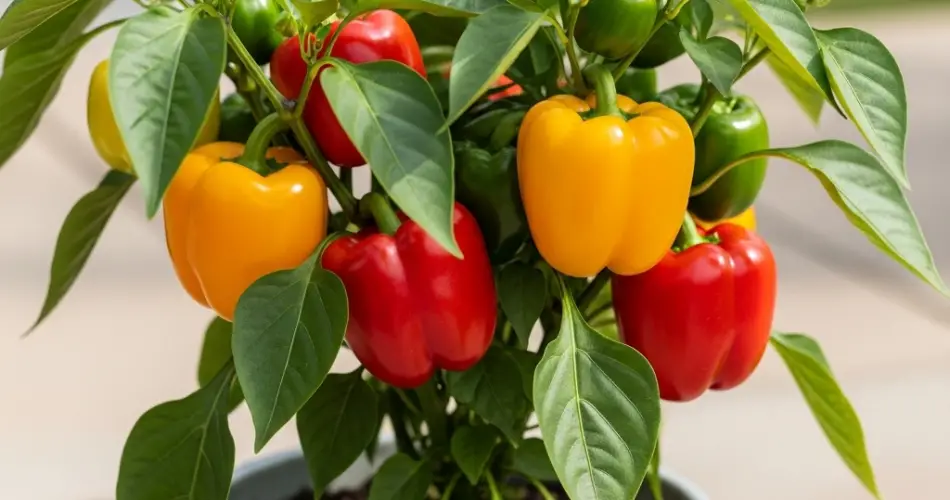
Bell peppers are a colorful, nutritious, and versatile addition to any homegrown harvest. Fortunately, you don’t need a large garden to enjoy them. With the right approach, bell peppers thrive in pots, making them ideal for balconies, patios, rooftops, or sunny corners of a backyard. Growing peppers in containers allows better control over soil, moisture, and sunlight—leading to crisp, vibrant fruits throughout the season. Here’s how to cultivate healthy bell peppers in pots for a steady home supply.
Why Grow Bell Peppers in Pots?
Potted bell peppers are easy to manage, especially in limited spaces. Containers help you avoid many soil-borne pests and diseases, and they let you relocate plants to optimize sunlight exposure. Plus, watering, fertilizing, and harvesting are much easier when the plant is at waist height or on a raised surface. Whether you’re a seasoned gardener or just starting out, potted peppers offer high yields with minimal hassle.
Choosing the Right Variety
While most bell pepper types grow well in containers, choosing compact or dwarf varieties is beneficial for limited space. Some container-friendly varieties include:
-
‘California Wonder’ – A classic sweet pepper with thick walls.
-
‘Mini Bell’ – Small but prolific peppers perfect for small pots.
-
‘Gypsy’ – A hybrid known for early, abundant harvests.
-
‘Sweet Banana’ – Not a bell pepper, but a sweet, tangy alternative suitable for pots.
No matter the variety, be sure to select healthy seedlings or certified disease-free seeds for the best start.
Container Selection
The key to growing strong pepper plants is using the right container. Bell peppers need space for both roots and soil moisture retention.
-
Minimum size: 5-gallon container (approximately 12–14 inches in diameter)
-
Depth: At least 12 inches
-
Material: Plastic, clay, fabric grow bags, or even upcycled buckets—with drainage holes
Avoid shallow containers, as pepper roots grow deep. Bigger containers help retain moisture and reduce the frequency of watering.
Soil and Drainage
Peppers love loose, well-draining, nutrient-rich soil. Prepare a high-quality potting mix that includes:
-
60% organic potting soil
-
20% compost or well-rotted manure
-
10% perlite or vermiculite
-
10% coconut coir or peat moss for moisture retention
Mix in a slow-release organic fertilizer or bone meal at planting time. Ensure that pots have adequate drainage holes to prevent root rot.
Planting and Positioning
If starting from seed, sow them indoors 6–8 weeks before the last frost. Transplant seedlings into the container once they are 4–6 inches tall and the weather is consistently warm.
Place the pot in a spot that gets 6–8 hours of full sun daily. Bell peppers love warmth and sun, so a south-facing balcony or patio is perfect.
When transplanting:
-
Fill the container halfway with soil mix.
-
Position the seedling in the center.
-
Gently backfill, keeping the soil level just below the first true leaves.
-
Water thoroughly.
Watering and Feeding
Consistent watering is crucial. Bell peppers prefer evenly moist soil—not too dry and not too soggy.
-
Water deeply when the top inch of soil feels dry.
-
Avoid overwatering, which can lead to blossom end rot.
-
Mulch the surface with straw or shredded leaves to retain moisture and regulate temperature.
Feed your peppers every 2–3 weeks with a balanced liquid fertilizer. Once the plant begins flowering, switch to a fertilizer higher in phosphorus and potassium to promote fruiting.
Supporting Your Plants
As bell peppers grow, they become top-heavy—especially when fruiting. Provide a small stake or tomato cage to support the plant and prevent stem breakage.
Gently tie the main stem to the support with soft garden ties or cloth strips. Adjust as the plant grows to avoid constriction.
Pest and Disease Management
Container growing minimizes many soil-related problems, but keep an eye out for common pepper pests:
-
Aphids: Spray with neem oil or insecticidal soap.
-
Spider mites: Wipe leaves with water or a mild soap solution.
-
Cutworms: Use collars around seedlings or raise containers off the ground.
To prevent fungal diseases, avoid overhead watering and ensure proper spacing between containers for airflow.
Flowering and Pollination
Bell pepper plants are self-pollinating, but container gardening often limits wind and insect activity. To help ensure good fruit set:
-
Gently shake the plant to mimic wind.
-
Use a soft brush or cotton swab to transfer pollen between flowers.
This helps increase fruit production, especially if your growing area lacks natural pollinators.
Harvesting Bell Peppers
Peppers can be harvested green or left on the plant to ripen to red, yellow, or orange depending on the variety. The longer they stay on the plant, the sweeter and more nutrient-rich they become.
Use scissors or garden shears to snip the fruit—don’t pull, as this can damage the stem.
Harvesting regularly encourages new growth and prolongs the production period.
Final Tips for Success
-
Rotate containers between seasons to refresh soil and avoid disease buildup.
-
Group peppers with companion herbs like basil to repel pests.
-
Monitor temperature—bell peppers prefer warm days (70–85°F) and mild nights.
By following these steps, you can enjoy a steady supply of sweet, crisp bell peppers from just a few pots. With minimal effort and attention, your container garden can provide bountiful harvests that are as beautiful as they are delicious.


