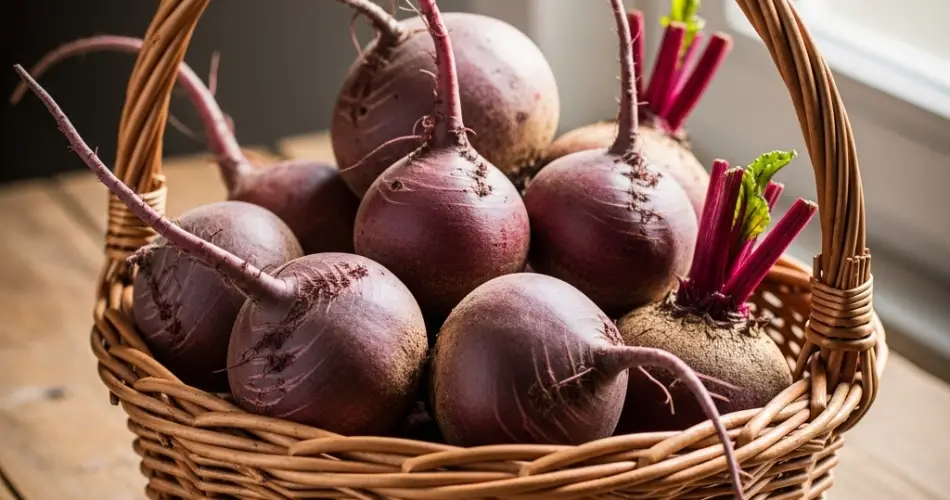
Beets are a rewarding crop to grow in a home garden. They’re packed with nutrients, easy to grow, and offer two harvests in one—the sweet, earthy roots and the nutritious leafy greens. Whether you’re gardening in a backyard, raised bed, or container, beets are well-suited for many spaces and growing conditions. With the right care and timing, you can enjoy sweet, tender beets from your own garden. Here’s everything you need to know to grow them successfully.
Why Grow Beets?
Beets are fast-growing, adaptable, and tolerant of cool temperatures, making them an excellent crop for both spring and fall gardens. They come in a variety of colors and flavors, including traditional red, golden yellow, and even candy-striped varieties. In addition to their vibrant roots, beet greens can be harvested and eaten like spinach or Swiss chard.
Choosing Beet Varieties
There are several types of beets, each with its own flavor profile and growing characteristics:
-
Detroit Dark Red: A classic round beet with deep red flesh and a rich flavor.
-
Chioggia: An Italian heirloom with red-and-white striped flesh and a mild, sweet taste.
-
Golden Beets: Milder in flavor and less messy to prepare, with bright yellow flesh.
-
Cylindra: Long, cylindrical roots that are great for slicing and pickling.
Choose varieties based on your taste preference and garden space. Most types mature within 50 to 70 days.
When to Plant Beets
Beets grow best in cool weather and can be planted in both early spring and late summer:
-
Spring planting: Sow seeds outdoors as soon as the soil can be worked—typically 2 to 4 weeks before the last frost date.
-
Fall planting: Plant beets in late summer, about 6 to 8 weeks before the first expected frost.
Beets germinate best in soil temperatures between 50°F and 85°F (10°C to 29°C). For continuous harvests, sow seeds every 2 to 3 weeks during the growing season.
Soil Preparation
Beets prefer loose, fertile, and well-draining soil. Proper soil prep is key to producing tender, round roots.
-
Soil pH: Aim for a neutral pH around 6.0 to 7.0.
-
Amendments: Work compost or well-rotted manure into the top 6–8 inches of soil. Avoid high-nitrogen fertilizers, which promote leafy growth over root development.
-
Debris-free soil: Remove stones, clumps, and hard soil patches to prevent misshapen beets.
Beets can also be grown in containers at least 8–10 inches deep, with good drainage and loose potting mix.
Planting Beets
Beet seeds are actually clusters containing multiple seeds, so thinning is necessary.
-
Sowing depth: Plant seeds ½ inch deep and 1 to 2 inches apart in rows spaced 12 inches apart.
-
Thinning: Once seedlings reach 2–3 inches tall, thin them to 3 to 4 inches apart. The removed seedlings can be eaten as microgreens or baby greens.
Keep the soil moist during germination, which may take 5 to 10 days depending on soil temperature.
Watering and Maintenance
Beets need consistent moisture to grow evenly and develop sweet, tender roots.
-
Watering: Aim for about 1 inch of water per week, increasing slightly during dry periods. Avoid waterlogging the soil.
-
Mulching: Apply mulch around the plants to retain moisture, suppress weeds, and maintain even soil temperature.
-
Weeding: Beets have shallow roots, so weed carefully to avoid disturbing the plants.
Fertilizing Beets
While beets aren’t heavy feeders, they do benefit from balanced nutrition.
-
Use a balanced fertilizer or one slightly lower in nitrogen to encourage strong root growth.
-
Side-dress with compost or a low-nitrogen organic fertilizer halfway through the growing cycle for a boost.
Avoid over-fertilizing, which can result in lush greens and undersized roots.
Dealing with Pests and Diseases
Beets are relatively pest-resistant but can still face a few common issues:
-
Flea beetles: Small holes in leaves may appear; row covers can help protect seedlings.
-
Leaf miners: Tunnels in leaves; remove affected foliage to reduce spread.
-
Fungal diseases: Ensure proper spacing and avoid overhead watering to reduce moisture on leaves.
Practice crop rotation and remove plant debris at the end of the season to prevent disease buildup.
Harvesting Beets
Beets are usually ready to harvest 50 to 70 days after planting, depending on the variety.
-
Harvest size: Pick beets when the roots are 1.5 to 3 inches in diameter. Larger beets may become woody.
-
How to harvest: Gently loosen the soil around the root and pull the plant out by the base of the stems.
-
Using the greens: Beet greens are edible and can be harvested while the plant is growing, but avoid removing too many at once.
Storage and Use
After harvesting, cut off the greens about 1 inch above the root to prevent them from drawing moisture from the beet.
-
Storage: Store roots in a perforated bag in the refrigerator for up to several weeks.
-
Uses: Beets can be eaten raw, roasted, boiled, pickled, or juiced. The greens are excellent sautéed or used in salads.
Final Tips
-
Plant in succession every few weeks for a continuous harvest.
-
Keep soil evenly moist for best texture and flavor.
-
Don’t let roots grow too large—smaller beets are often sweeter and more tender.
With a little care and attention, growing beets at home is simple and rewarding. From sweet roots to leafy greens, you’ll enjoy a nutritious and delicious harvest straight from your garden.


