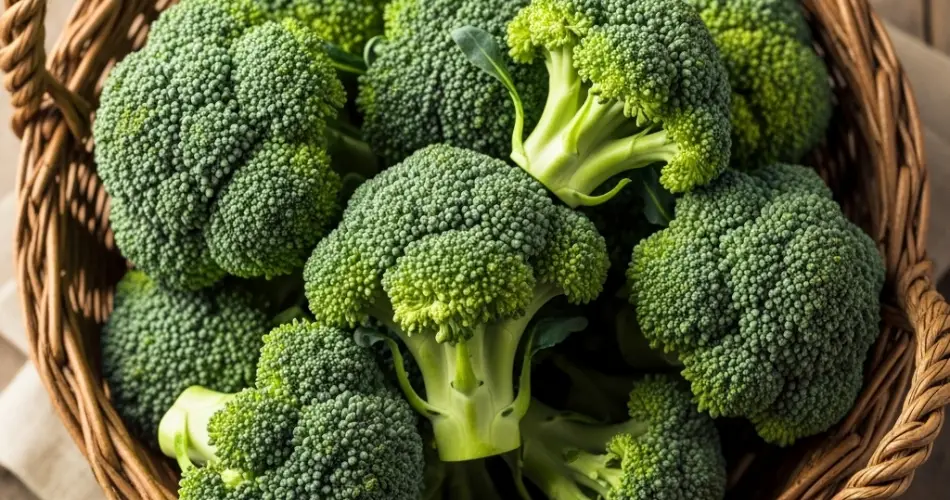
Broccoli is a cool-season crop known for its nutritious florets and versatility in the kitchen. Growing broccoli at home not only provides you with a fresh supply of this superfood, but it also gives you control over how it’s grown—pesticide-free and fresh from your own backyard. With the right care and timing, broccoli is a rewarding vegetable to grow, even for beginners. This article covers everything you need to know to successfully grow broccoli at home, from choosing the right variety to harvesting.
Choosing the Right Variety
There are several types of broccoli, each with slightly different growing habits and maturity times. Common varieties include:
-
Calabrese Broccoli: The most popular type, known for its large green heads and long harvest period.
-
Sprouting Broccoli: Produces many small florets instead of one large head. Ideal for extended harvesting.
-
Purple Broccoli: Adds a splash of color and is often more cold-tolerant than green varieties.
When choosing a variety, consider your local climate and the length of your growing season. Look for fast-maturing types if you live in an area with short spring or fall windows.
When to Plant Broccoli
Broccoli thrives in cool weather and should be planted to mature before temperatures climb too high. You can grow broccoli in both spring and fall:
-
Spring planting: Start seeds indoors 6–8 weeks before your last expected frost. Transplant seedlings outdoors 2–3 weeks before the last frost.
-
Fall planting: Sow seeds in mid to late summer for a fall harvest. Transplant seedlings when temperatures begin to cool down.
Broccoli prefers daytime temperatures between 65°F and 75°F (18°C to 24°C). Hot weather can cause bolting, leading the plant to flower and stop producing edible heads.
Preparing the Soil
Broccoli grows best in fertile, well-draining soil rich in organic matter. For optimal growth, take the time to prepare your garden bed properly:
-
Soil pH: Aim for a slightly acidic to neutral pH, between 6.0 and 7.0.
-
Enrichment: Add compost or aged manure to improve soil fertility and structure.
-
Drainage: Ensure the soil is not too compacted, as broccoli roots need good airflow and moisture balance.
You can also apply a balanced slow-release fertilizer at planting time to give the plants a healthy start.
Planting Broccoli
If starting from seed indoors:
-
Sow seeds ¼ to ½ inch deep in seed-starting trays or pots.
-
Keep them in a warm, well-lit area. A grow light or sunny windowsill works well.
-
Thin seedlings once they develop a second set of leaves, leaving the strongest plant.
When transplanting seedlings outdoors:
-
Space plants 18 to 24 inches apart in rows spaced 2 to 3 feet apart.
-
Water thoroughly after transplanting to help them establish.
If direct-sowing in the garden for a fall crop, sow seeds ½ inch deep and thin them as they grow.
Watering and Feeding
Broccoli requires consistent moisture to form large, tender heads. Uneven watering can lead to small or bitter-tasting florets.
-
Watering: Aim to keep the soil evenly moist—about 1 to 1.5 inches of water per week.
-
Mulching: Apply a layer of mulch around the base to retain moisture, suppress weeds, and regulate soil temperature.
-
Fertilizing: Feed with a nitrogen-rich fertilizer 3–4 weeks after transplanting to encourage leafy growth, which supports head formation.
Avoid over-fertilizing with nitrogen once heads start forming, as this can lead to excess foliage at the expense of edible growth.
Managing Pests and Diseases
Broccoli is susceptible to several pests and diseases, so regular monitoring is essential:
-
Common pests: Cabbage worms, aphids, flea beetles, and cutworms. Inspect leaves regularly and use organic controls like neem oil or insecticidal soap when necessary.
-
Diseases: Watch for fungal problems like downy mildew or root rot in poorly drained soil. Practice crop rotation and avoid overhead watering to reduce risk.
Use row covers to protect young plants from pests, especially during the first few weeks after transplanting.
Harvesting Broccoli
Timing your harvest is crucial to ensure the best flavor and texture.
-
When to harvest: Harvest broccoli when the central head is fully formed but still tight and compact. If you see yellow flower buds beginning to appear, harvest immediately.
-
How to harvest: Cut the central head off with a sharp knife, leaving the plant in place. Many broccoli varieties will continue producing smaller side shoots that can be harvested for weeks afterward.
Tips for Success
-
Grow broccoli in full sun—at least 6 hours a day—for strong plants and good head formation.
-
Don’t delay transplanting seedlings once they outgrow their pots; root-bound plants may not form heads properly.
-
Remove any yellowing or damaged leaves to promote air circulation and plant health.
Growing broccoli at home is a satisfying experience that yields a nutrient-rich, versatile vegetable. By providing the right soil, water, sunlight, and care, you can enjoy fresh, flavorful broccoli from your own garden. Whether you’re planting in raised beds, a backyard plot, or even large containers, a successful harvest is well within reach with the right preparation and timing.


