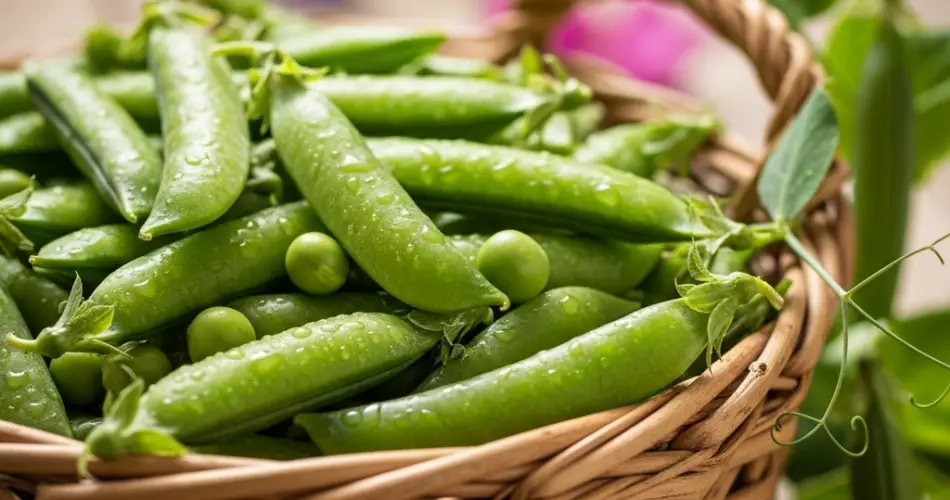
Sweet garden peas are a favorite among home gardeners thanks to their crisp texture, sweet flavor, and ease of growing. Whether you enjoy them fresh from the pod, cooked in meals, or frozen for later use, garden peas are a rewarding crop to grow. With just a little space and the right conditions, even beginners can enjoy a successful harvest. Here’s a complete guide to growing sweet garden peas in your backyard or containers.
Why Grow Sweet Peas?
Sweet garden peas are cool-season vegetables, meaning they grow best in the early spring or fall when temperatures are mild. They germinate quickly, grow fast, and often produce abundant pods with minimal maintenance. Peas also improve the soil by fixing nitrogen, making them excellent companions for other garden plants.
Choosing the Right Variety
There are several types of garden peas to choose from, and selecting the right variety depends on your taste preferences and available space:
-
Shelling Peas (English peas): The peas are removed from the pods before eating. Pods are not edible.
-
Snow Peas: Flat pods with small peas inside; pods are edible and often used in stir-fries.
-
Sugar Snap Peas: A cross between snow and shelling peas. Pods are plump, sweet, and entirely edible.
Compact or dwarf varieties are ideal for containers or small spaces, while taller vining types need trellises or support.
When to Plant Peas
Peas are best planted in early spring as soon as the soil can be worked—about 4 to 6 weeks before the last expected frost. In regions with mild winters, they can also be planted in late summer or fall for a winter harvest.
Peas prefer cool weather between 55°F and 70°F (13°C to 21°C). Hot temperatures can reduce flowering and pod production, so plan your planting schedule accordingly.
Soil Preparation
Sweet peas thrive in well-draining, fertile soil enriched with organic matter. Work compost or aged manure into the soil before planting. The ideal soil pH is between 6.0 and 7.0.
Avoid adding high-nitrogen fertilizers, as peas can produce their own nitrogen through a symbiotic relationship with soil bacteria. Too much nitrogen encourages leaf growth at the expense of pod development.
How to Plant Peas
Direct Sowing
Peas are best sown directly into the ground, as they don’t transplant well. Sow seeds 1 to 1.5 inches deep and 2 inches apart. Space rows about 18 to 24 inches apart.
Trellising
For climbing varieties, install a trellis, netting, or stakes at the time of planting to avoid disturbing the roots later. Even dwarf varieties benefit from some support to keep plants upright and clean.
Succession Planting
To extend your harvest, plant peas every 2 to 3 weeks during the cool season.
Watering and Mulching
Peas need consistent moisture to thrive but are sensitive to waterlogged soil. Water deeply once or twice a week, depending on weather conditions, to keep the soil evenly moist.
Applying mulch around the base of the plants helps retain soil moisture, suppress weeds, and regulate soil temperature.
Care and Maintenance
Weeding
Pea roots are shallow, so be gentle when weeding. Hand-pulling is best to avoid damaging the roots.
Pest Management
Common pests include aphids and pea weevils. Spray aphids off with water or use insecticidal soap if necessary. Birds may also nibble at seedlings, so consider using row covers until plants are established.
Disease Prevention
Ensure good air circulation and avoid overhead watering to reduce the risk of powdery mildew or fungal issues. Rotate crops yearly and avoid planting peas in the same spot more than once every 2–3 years.
When and How to Harvest
Most garden peas are ready for harvest 60 to 70 days after planting. Check the seed packet for the specific maturity time of your variety.
-
Shelling peas: Harvest when pods are full and rounded but still tender.
-
Snow peas: Pick while the pods are still flat and before the seeds start to swell.
-
Sugar snap peas: Harvest when pods are plump but still crisp.
Pick peas regularly to encourage the plant to keep producing. Use two hands to harvest—one to hold the vine and the other to gently pull the pod—to avoid damaging the plant.
Storing and Using Peas
Fresh peas are best eaten soon after harvesting for the sweetest flavor. They can also be refrigerated for up to a week or blanched and frozen for longer storage. Both shelling and snap peas freeze well, while snow peas are often best used fresh or stir-fried.
Conclusion
Sweet garden peas are one of the easiest and most satisfying vegetables for beginner gardeners. With minimal effort, they reward you with fresh, tasty pods that are great raw or cooked. By planting in the right season, using proper support, and maintaining consistent care, you can enjoy a bountiful pea harvest in your own garden.


