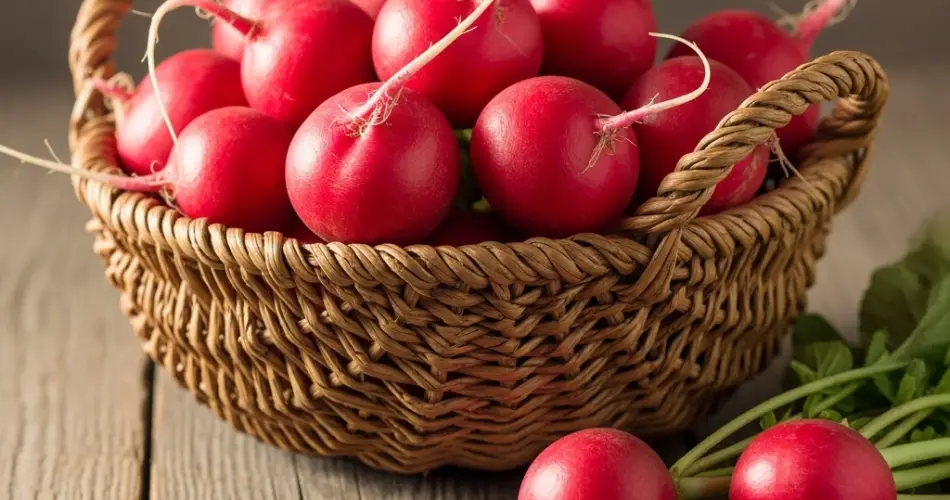
Radishes are among the easiest and fastest-growing vegetables, making them a perfect choice for beginner gardeners and seasoned green thumbs alike. Known for their crisp texture and peppery flavor, radishes can be grown in the ground, raised beds, or containers. With the right care, you can enjoy a continuous harvest of crunchy radishes throughout much of the growing season. This guide walks you through everything you need to know about growing radishes successfully in your home garden.
Why Grow Radishes?
Radishes mature quickly—some varieties are ready for harvest in as little as 25 days. They’re relatively low-maintenance, adapt well to various soil types, and can be grown in spring and fall. In addition to their roots, radish leaves are edible and nutritious, making them a dual-purpose crop. Plus, they help loosen compacted soil, making them great companion plants in a vegetable garden.
Choosing the Right Variety
There are many types of radishes, and choosing the right one depends on your taste and growing conditions. Here are a few popular options:
-
Cherry Belle: A classic round red radish, fast-growing and ideal for spring.
-
French Breakfast: Oblong with red tops and white tips, mildly spicy and crisp.
-
Daikon: A large, white Asian radish that takes longer to mature but offers a mild, sweet flavor.
-
Watermelon Radish: Green on the outside, bright pink inside; visually stunning with a milder flavor.
For quick results, stick to spring or summer varieties. If you have a longer growing season or want to try storage radishes, winter types like Daikon are great choices.
When and Where to Plant
Radishes thrive in cool weather, so plan your planting in early spring or late summer. For a continuous harvest, sow seeds every 10 to 14 days during the growing season.
-
Spring planting: Start sowing as soon as the soil can be worked, typically 2–3 weeks before the last frost.
-
Fall planting: Plant seeds about 4–6 weeks before your first expected frost.
Choose a location with full sun for the best root development. While radishes can tolerate partial shade, they’ll grow slower and may produce smaller roots.
Preparing the Soil
Radishes prefer loose, well-draining soil that is rich in organic matter. Avoid heavy clay soils, as they can cause radishes to become stunted or misshapen.
-
Soil pH: Aim for a neutral to slightly acidic pH (6.0–7.0).
-
Amendment: Mix in compost or aged manure before planting to improve soil texture and provide nutrients.
-
Avoid fresh nitrogen-rich fertilizers, as they can promote leafy growth at the expense of root development.
Work the soil at least 6 inches deep to allow roots to expand easily. Remove rocks or debris that could hinder root growth.
Planting Radishes
Sow radish seeds directly into the garden, as they don’t transplant well.
-
Spacing: Sow seeds ½ inch deep and about 1 inch apart in rows spaced 6–12 inches apart.
-
Thinning: Once seedlings emerge, thin them to about 2 inches apart to give roots enough room to grow.
-
Succession planting: For a steady supply, replant every two weeks until the weather becomes too hot or cold.
Watering and Maintenance
Consistent moisture is key to growing crisp, mild-flavored radishes. Irregular watering can result in woody or split roots.
-
Watering: Keep the soil evenly moist but not soggy. Aim for about 1 inch of water per week.
-
Mulching: Use organic mulch like straw or shredded leaves to retain moisture and keep the soil cool.
-
Weeding: Keep the bed free of weeds, which can compete for nutrients and space.
Radishes are generally pest-resistant, but keep an eye out for:
-
Flea beetles: Small holes in leaves; cover young plants with row covers if needed.
-
Root maggots: White larvae that tunnel into the roots; crop rotation helps reduce their presence.
Harvesting Radishes
Timing is crucial when harvesting radishes. If left in the ground too long, they can become woody and overly spicy.
-
Harvest size: Pick radishes when they are about 1 inch in diameter. Larger varieties like Daikon may need more time but should still be harvested before they get tough.
-
How to harvest: Gently pull the radishes out by the base of the leaves. If the soil is hard, loosen it with a hand fork first.
-
Storage: Cut off the tops to prevent moisture loss and store the roots in the fridge. Fresh radishes can last up to two weeks.
Tips for Crisp, Flavorful Radishes
-
Don’t overcrowd plants; proper spacing ensures better root formation.
-
Grow in cooler weather for a milder flavor.
-
Avoid letting radishes bolt (go to seed), as the roots will become tough.
-
Use radish greens in soups, salads, or sautéed dishes to reduce waste and maximize your harvest.
Growing crunchy radishes in your home garden is not only easy but also highly rewarding. With just a bit of planning and care, you can enjoy fresh, crisp radishes straight from your backyard or container garden throughout much of the year. Whether you prefer them raw in salads or roasted for a mellow flavor, homegrown radishes are a fast and flavorful addition to your gardening lineup.


