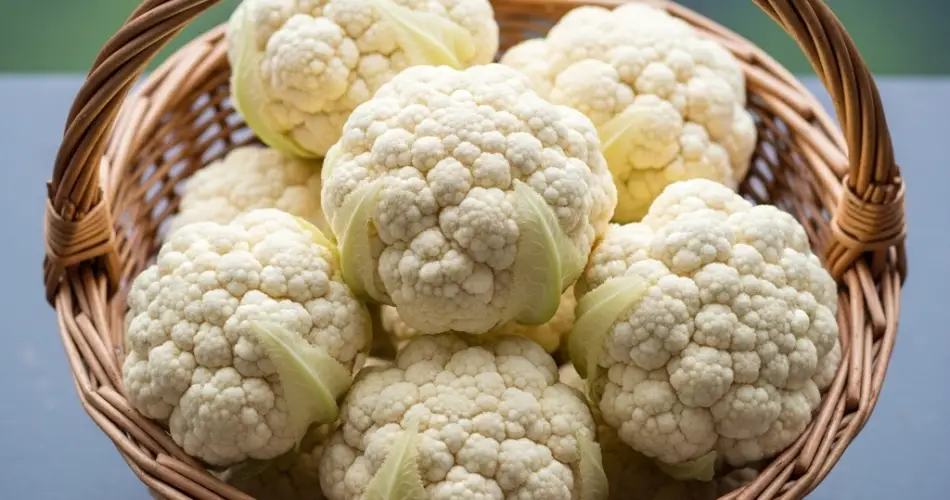
Cauliflower is a nutritious and versatile vegetable that deserves a spot in every home garden. While it has a reputation for being slightly finicky to grow, with the right conditions and care, home gardeners can successfully cultivate beautiful, dense heads of cauliflower. Whether you’re planting in raised beds, garden plots, or containers, this guide will walk you through everything you need to know to grow cauliflower with confidence.
Why Grow Cauliflower?
Cauliflower is rich in vitamins C and K, antioxidants, and fiber. It can be roasted, mashed, steamed, or even used as a low-carb substitute for grains and flours. By growing it yourself, you ensure fresher, tastier, and pesticide-free produce, while also enjoying the satisfaction of harvesting from your own garden.
When to Plant Cauliflower
Cauliflower is a cool-season crop, thriving in temperatures between 60°F and 70°F (15°C to 21°C). It does not tolerate extreme heat or cold well, so proper timing is crucial.
-
Spring planting: Start seeds indoors 4–6 weeks before the last expected frost. Transplant seedlings outdoors 2–4 weeks before the last frost, once they’ve developed 4–5 true leaves.
-
Fall planting: In areas with hot summers, plant in mid to late summer for a fall harvest. Start seeds indoors or in a shaded outdoor area to avoid heat stress during germination.
Check your local growing zone and frost dates to determine the best planting window.
Choosing the Right Variety
Cauliflower comes in several varieties beyond the familiar white head. Some are better suited to different seasons or climates:
-
Snowball: A classic white variety, great for spring or fall growing.
-
Cheddar: A vibrant orange type, rich in beta-carotene.
-
Purple Head: A colorful and antioxidant-rich option.
-
Romanesco: A green, spiral-shaped type that’s both ornamental and edible.
Choose varieties with shorter maturity dates if you live in a region with a shorter growing season.
Preparing the Soil
Cauliflower prefers fertile, well-drained soil rich in organic matter. The ideal soil pH is between 6.0 and 7.0. Before planting, mix compost or aged manure into the soil to provide essential nutrients. If you’re planting in a container, choose one that’s at least 12 inches deep and wide, filled with high-quality potting mix.
Good drainage is essential—avoid soggy soil, which can cause root rot.
Planting Cauliflower
Seedlings vs. Direct Sowing
Cauliflower is typically grown from transplants rather than direct sowing, as it allows more control over the plant’s early development. If you choose to direct sow, do so only in climates with long, cool seasons.
Spacing
Plant seedlings 18–24 inches apart in rows spaced 24–30 inches apart. This allows ample room for the plant to grow large heads without crowding.
Transplanting Tips
Harden off seedlings by gradually exposing them to outdoor conditions over 7–10 days before planting them in the ground. Transplant on a cloudy day or in the late afternoon to reduce transplant shock.
Sunlight and Watering Needs
Cauliflower needs full sun—at least 6 hours of sunlight daily—for healthy growth. In hot climates, partial afternoon shade can help prevent bolting (premature flowering).
Consistent moisture is critical. Cauliflower prefers evenly moist soil but not waterlogged conditions. Water regularly, especially during dry periods, and mulch around the base of the plant to retain moisture and reduce weed growth.
Feeding and Fertilizing
Cauliflower is a heavy feeder. Apply a balanced fertilizer (such as 10-10-10) when transplanting, and again when the plant is halfway to maturity. Avoid over-fertilizing with nitrogen, as it can lead to large leafy growth and small or underdeveloped heads.
A side-dressing of compost or an organic liquid feed like fish emulsion can also boost growth during the season.
Managing Common Issues
Pests
Common cauliflower pests include cabbage worms, aphids, and flea beetles. Use row covers early in the season, inspect plants regularly, and remove pests by hand or treat with organic insecticidal soap if needed.
Diseases
Watch for signs of fungal diseases like clubroot or downy mildew. To reduce risk, rotate crops, ensure good drainage, and avoid overcrowding.
Bolting
Cauliflower is sensitive to temperature fluctuations. A sudden cold snap or prolonged heat can cause the plant to bolt, forming flowers instead of heads. Maintain steady growing conditions as much as possible.
Blanching for White Heads
For traditional white cauliflower varieties, blanching is often needed to keep heads white and tender. When the head is about the size of a golf ball, gently tie the outer leaves over the developing curd to shield it from the sun. This isn’t necessary for colored or self-blanching varieties.
Harvesting Cauliflower
Cauliflower heads are ready to harvest when they reach 6–8 inches in diameter and are firm and compact. Use a sharp knife to cut the head off, leaving a few leaves attached to protect it. Don’t wait too long, or the head may separate and lose its quality.
After harvesting, the plant will not regrow another head. Remove the plant from the garden and compost it, or use the leaves in cooking if desired.
Conclusion
Growing cauliflower at home can be a rewarding experience with just a bit of planning and care. By selecting the right variety, planting at the right time, and maintaining healthy soil and moisture levels, gardeners can enjoy crisp, flavorful cauliflower heads straight from their garden. With a little attention, even beginners can have success growing this cool-season favorite.


