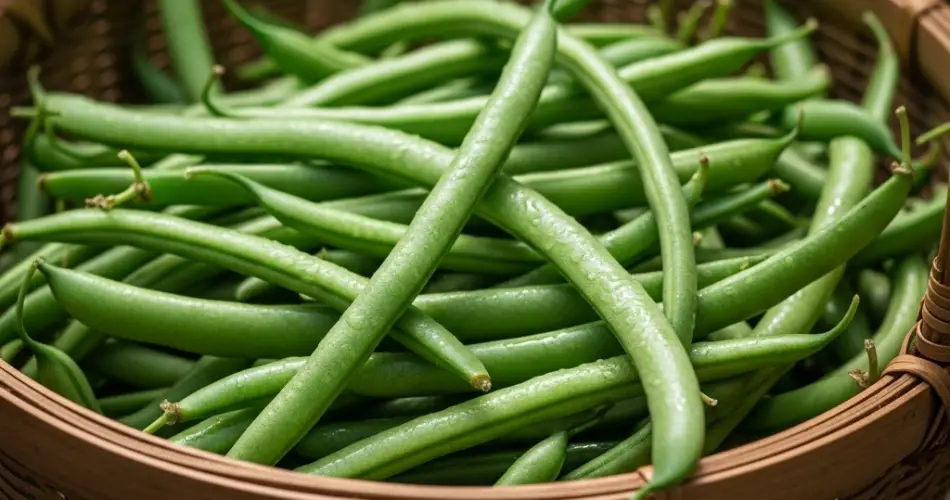
Green beans are a staple in many home gardens—and for good reason. They’re fast-growing, productive, and relatively low-maintenance. Whether you enjoy them fresh, steamed, sautéed, or canned, green beans offer a crisp, flavorful addition to your kitchen. One of the best parts about growing green beans is that with proper planning and care, you can enjoy a continuous harvest throughout the growing season. Here’s a complete guide on how to grow green beans successfully at home, and how to keep them producing all season long.
Choosing the Right Type of Green Beans
There are two main types of green beans:
-
Bush Beans: These are compact plants that grow to about 12–24 inches tall and do not require support. They mature quickly, often producing beans in about 50–60 days.
-
Pole Beans: These are vining plants that need a trellis, stake, or other support. They take a bit longer to mature (60–70 days) but will continue producing beans over a longer period if regularly harvested.
If your goal is a continuous harvest, consider growing both types. Bush beans give you a fast, early crop, while pole beans can keep producing for weeks or even months.
When to Plant Green Beans
Green beans are warm-season crops that should be planted after all danger of frost has passed and the soil temperature is at least 60°F (16°C).
-
Spring planting: Sow seeds directly into the soil once it has warmed up, usually 1–2 weeks after the last frost.
-
Succession planting: To keep a steady harvest going, plant new rows of bush beans every 2–3 weeks until mid-summer.
-
Fall planting: In milder climates, green beans can also be planted in late summer for a fall crop.
Avoid starting beans indoors, as they don’t transplant well. Direct sowing is best.
Choosing and Preparing the Site
Green beans prefer full sun (at least 6–8 hours of direct light daily) and well-drained, fertile soil.
-
Soil preparation: Enrich the soil with compost or aged manure before planting. Beans don’t need high nitrogen levels and can actually fix their own nitrogen.
-
Soil pH: Aim for a slightly acidic to neutral pH of 6.0 to 7.0.
-
Drainage: Avoid soggy areas, as beans dislike wet feet and may rot in poorly drained soil.
For container gardening, use pots at least 10–12 inches deep and wide, and choose a light, well-draining potting mix.
How to Plant Green Beans
Sow bean seeds 1 inch deep and 2–4 inches apart.
-
Bush beans: Space rows about 18 inches apart.
-
Pole beans: Sow seeds around a trellis, teepee, or netting. Place supports in the ground before planting to avoid disturbing young roots later.
Water immediately after planting to help seeds germinate. You should see sprouts within 7–10 days.
Watering and Feeding
Consistent moisture is key for healthy green bean plants and good pod development.
-
Watering: Keep the soil evenly moist, especially during flowering and pod formation. Aim for about 1 inch of water per week.
-
Mulching: Apply mulch around the base of plants to retain moisture and suppress weeds.
-
Fertilizing: Avoid high-nitrogen fertilizers. If needed, use a balanced organic fertilizer at planting time. Once beans begin to set, you typically don’t need to feed again.
Supporting Pole Beans
Pole beans require vertical support to climb and thrive. Common options include:
-
Wooden stakes or bamboo poles formed into teepees.
-
Garden trellises or fencing.
-
Twine strung between two posts.
Training the vines early helps them climb properly and makes harvesting easier.
Pest and Disease Management
Beans are generally hardy, but a few pests and diseases may appear:
-
Common pests: Aphids, bean beetles, and cutworms. Use neem oil or insecticidal soap if infestations become severe.
-
Diseases: Watch for powdery mildew or rust in humid conditions. Ensure proper spacing and air circulation.
-
Crop rotation: Avoid planting beans in the same spot each year to prevent soil-borne disease buildup.
Water at the base of plants to avoid wetting foliage, which helps prevent fungal issues.
Harvesting Green Beans
The more you harvest, the more the plants will produce. Pick beans regularly to encourage continuous flowering and pod development.
-
When to harvest: Pick beans when they are firm, crisp, and about the size of a pencil. Don’t wait too long or they’ll become tough and stringy.
-
How to harvest: Use two hands—hold the plant with one hand and pull the bean off gently with the other to avoid damaging the stem.
-
Frequency: Check plants every 2–3 days during peak production.
Tips for a Continuous Harvest
-
Succession planting: Plant bush beans every 2–3 weeks for multiple waves of harvest.
-
Mix varieties: Grow early and late-maturing types to stagger your yield.
-
Keep harvesting: Frequent picking stimulates the plant to produce more pods.
-
Compost spent plants: Once production slows, pull out old plants and replace them with new seedlings if time allows.
Growing green beans at home is easy and highly productive. With a little planning and regular care, you can enjoy fresh beans throughout the growing season. Whether you’re growing in the ground, in raised beds, or containers, green beans are a reliable and rewarding crop for any home gardener.


