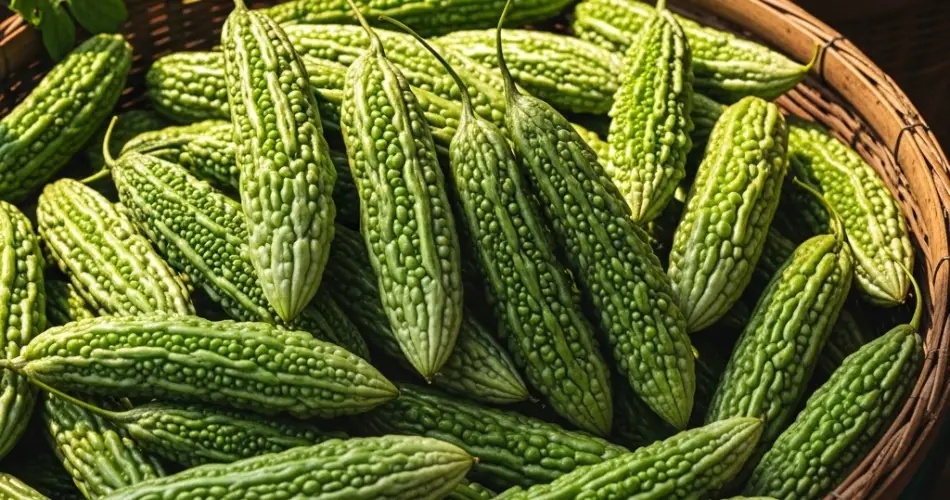
Bitter melon (Momordica charantia), also known as bitter gourd or ampalaya, is a unique tropical vine prized for its distinct flavor and many health benefits. Commonly used in Asian and Caribbean cuisines, bitter melon is also celebrated for its medicinal properties, particularly in managing blood sugar levels. While it’s traditionally grown in warm climates, with the right conditions, it can also be cultivated successfully in a backyard garden.
If you’re looking to add a nutritious and productive crop to your garden, here’s a complete guide to growing bitter melon at home.
Understanding Bitter Melon
Bitter melon is a fast-growing, heat-loving vine that produces elongated, warty fruits. The plant thrives in warm, humid environments and needs vertical support to grow properly. It belongs to the cucumber family and, like cucumbers, produces both male and female flowers. Pollination is essential for fruit development, so a healthy outdoor environment with pollinators like bees will enhance yields.
When to Plant
Bitter melon is a warm-season crop that cannot tolerate frost. It grows best in temperatures between 75°F and 85°F (24°C to 29°C). In tropical regions, it can be grown year-round. In cooler areas, wait until all danger of frost has passed and the soil has warmed up before planting.
If starting from seed indoors, sow seeds 3 to 4 weeks before the last expected frost. Transplant seedlings outdoors once nighttime temperatures consistently remain above 60°F (16°C).
Preparing the Soil
Bitter melon prefers well-draining, fertile soil with a pH of 5.5 to 6.7. Choose a sunny spot in the garden that receives at least 6 to 8 hours of direct sunlight daily.
Before planting, enrich the soil with compost or well-rotted manure to provide the nutrients needed for vigorous growth. Avoid heavy clay soil, which retains water and can lead to root rot. If drainage is a concern, raised beds or mounds are recommended.
Starting from Seeds
Bitter melon seeds have a hard outer shell. To improve germination, soak the seeds in warm water for 24 hours before planting. Some gardeners even gently nick the seed coat with a nail file to help moisture penetrate.
Plant seeds about 1 inch deep and 12 inches apart. Thin seedlings to one plant every 18 inches once they’re a few inches tall. For container growing, choose a pot at least 12 inches deep and wide, and plant one seed per container.
Providing Support
Bitter melon is a climbing vine and grows best with vertical support. Install a strong trellis, arbor, or netting before the plant begins to vine. Providing support:
-
Keeps fruit clean and off the ground
-
Improves air circulation
-
Makes harvesting easier
-
Reduces pest and disease issues
The vines can reach up to 10 feet or more, so make sure your structure is sturdy enough to handle the weight of the mature plant and its fruit.
Watering and Fertilizing
Keep the soil consistently moist but not waterlogged. Bitter melon does not tolerate drought, especially during flowering and fruiting. Water deeply once or twice a week, depending on your local climate and rainfall.
To support healthy growth:
-
Apply a balanced fertilizer (such as 10-10-10) every 3 to 4 weeks.
-
Supplement with compost tea or fish emulsion during flowering to promote fruit development.
-
Avoid high-nitrogen fertilizers, which may lead to excessive leafy growth with fewer fruits.
Pest and Disease Management
While bitter melon is relatively hardy, it is still susceptible to common garden pests such as:
-
Aphids
-
Whiteflies
-
Fruit flies
-
Powdery mildew
To manage these issues:
-
Use neem oil or insecticidal soap for small infestations.
-
Encourage natural predators like ladybugs.
-
Practice crop rotation and avoid planting bitter melon in the same spot each year.
Ensure good air circulation and avoid overhead watering to reduce fungal diseases.
Flowering and Pollination
Bitter melon produces both male and female flowers. Male flowers usually appear first, followed by female flowers (which have a small fruit at the base). Bees and other pollinators are essential for transferring pollen between the two.
If pollinators are scarce, you can hand-pollinate by using a small paintbrush or cotton swab to transfer pollen from the male to the female flower.
Harvesting Bitter Melon
Bitter melon fruits grow quickly and should be harvested while they’re still immature—about 6 to 8 inches long and firm. Overripe fruits turn yellow or orange and become more bitter and seedy.
Harvest every few days to encourage continuous production. Use scissors or pruning shears to cut the fruit from the vine, leaving a short stem attached.
Storage and Use
Freshly harvested bitter melon can be stored in the refrigerator for up to a week. It’s often used in stir-fries, soups, stews, and herbal teas. To reduce bitterness, slice the fruit and soak it in salted water for 15–30 minutes before cooking.
Conclusion
Growing bitter melon in your backyard is a rewarding experience that provides both culinary and health benefits. With the right soil, proper support, and consistent care, this tropical vine can thrive even in home gardens. Once established, it will reward you with a steady supply of nutritious fruits that you can enjoy in a variety of dishes.


