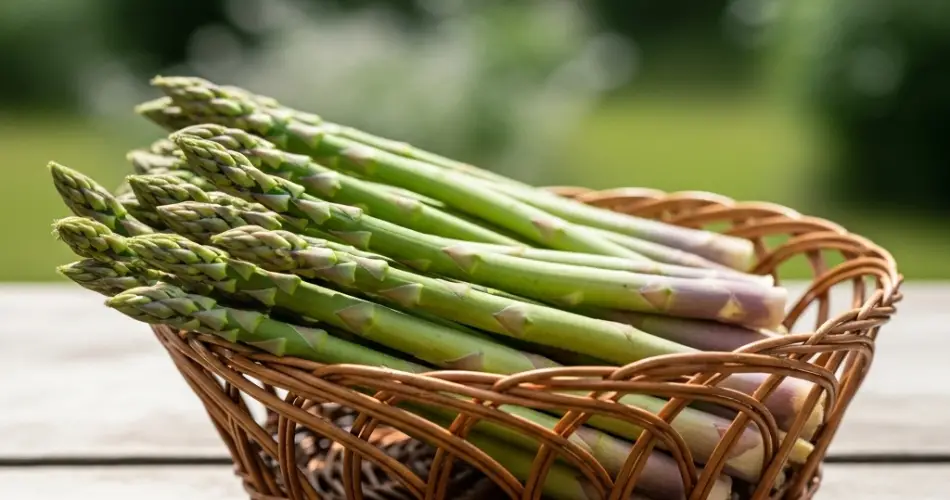
Asparagus is a perennial vegetable that rewards gardeners with delicious, tender spears every spring—often for 15 years or more with proper care. While it requires some patience and planning, starting an asparagus bed at home is a worthwhile investment that pays off with early-season harvests year after year. If you’re ready to grow this garden favorite, here’s everything you need to know to establish a thriving asparagus bed.
Why Grow Asparagus?
Asparagus is one of the earliest crops to appear in the spring and is packed with nutrients like folate, fiber, and vitamins A, C, and K. It’s low-maintenance once established, and because it’s a perennial, it doesn’t need to be replanted every year. With the right setup, one planting can produce food for a decade or more.
Choosing the Right Location
Asparagus is a long-lived crop, so selecting the right location from the start is crucial. Pick a spot in your garden that:
-
Receives full sun (at least 6–8 hours per day)
-
Has well-drained soil
-
Is free of weeds and perennial grasses
-
Won’t be disturbed by future construction or planting
Avoid areas that stay wet in spring or have poor drainage, as asparagus roots can rot in soggy conditions.
Preparing the Soil
Asparagus thrives in fertile, well-aerated soil with a pH between 6.5 and 7.5. It’s best to prepare the soil in the fall or early spring before planting. Here’s how:
-
Clear the bed of weeds, grass, and debris.
-
Loosen the soil to a depth of 12–18 inches using a shovel or garden fork.
-
Amend the soil with plenty of organic matter—compost, aged manure, or peat moss—to improve fertility and structure.
-
Test the soil pH and adjust with lime if it’s too acidic. Asparagus does not thrive in overly acidic conditions.
Choosing Between Crowns and Seeds
Asparagus can be grown from either seeds or crowns (1-year-old roots). For most home gardeners, crowns are the preferred method because they produce faster results.
-
Crowns: Plant in early spring as soon as the soil can be worked. Crowns usually produce a light harvest in the second year and full harvests by the third year.
-
Seeds: More economical but take an additional year or two to produce edible spears.
Planting Asparagus Crowns
-
Dig trenches 6–12 inches wide and about 8 inches deep. Space trenches 12–18 inches apart.
-
Create mounds of soil down the center of each trench and spread the roots of each crown over the mound like an octopus.
-
Space the crowns 12–18 inches apart.
-
Cover the crowns with 2 inches of soil.
-
As the shoots emerge, gradually fill in the trench with soil over several weeks until it is level with the ground.
This gradual filling helps the developing shoots grow strong while allowing for good root development.
Watering and Mulching
Keep the soil consistently moist, especially during the first year of growth. Deep watering encourages deep root development.
Apply mulch to:
-
Conserve soil moisture
-
Suppress weeds
-
Keep the soil temperature stable
Organic mulches such as straw, shredded leaves, or grass clippings work well.
Fertilizing
Asparagus is a heavy feeder. Before planting, work in a balanced fertilizer like 10-10-10. In subsequent years:
-
Apply compost or fertilizer in early spring when spears begin to emerge.
-
Add another light feeding after the harvest season to support fern growth and next year’s production.
Avoid over-fertilizing with nitrogen during the growing season, as it may cause excessive fern growth at the expense of root health.
First-Year Care and Harvest
In the first year, do not harvest any spears. Allow the ferns to grow and feed the root system.
In the second year, you can harvest lightly for about 2 weeks. By the third year, the asparagus bed should be mature enough for a full 6–8 week harvest season.
Harvest spears when they are 6–8 inches tall and before the tips begin to open. Cut or snap them off at ground level.
Post-Harvest Maintenance
After the harvest period ends:
-
Allow the spears to grow into tall ferns.
-
Support the ferns with stakes if they get too tall and floppy.
-
In late fall or after the first frost, cut the ferns down to ground level and remove them from the bed to prevent pests and disease from overwintering.
Apply a layer of compost or mulch before winter to protect the crowns from freezing temperatures.
Conclusion
Starting an asparagus bed at home takes time and planning, but the long-term rewards make it well worth the effort. By selecting a good location, preparing the soil properly, and giving your plants the care they need in the first few years, you’ll enjoy an abundant asparagus harvest for many seasons to come. With just a bit of patience, you can turn a small corner of your backyard into a productive, low-maintenance asparagus patch.


