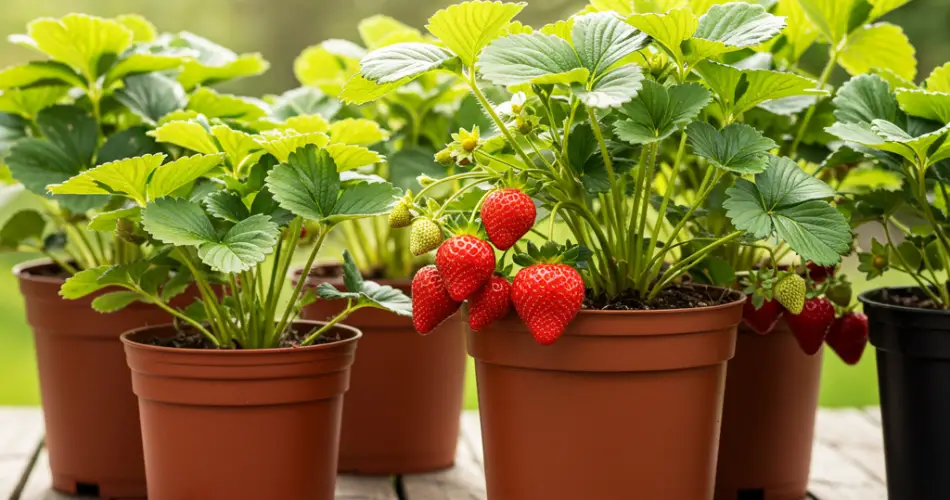
Strawberries are among the most beloved fruits for home gardeners. Sweet, juicy, and bursting with flavor, they’re a true summertime treat. The good news? You don’t need a garden bed to grow them. Strawberries thrive in pots, making them perfect for balconies, patios, or any small outdoor space.
Growing strawberries in containers not only saves space but also helps you control pests, soil quality, and moisture levels more easily. Whether you’re a beginner or a seasoned gardener, here’s how to grow strawberries in pots and enjoy abundant, delicious harvests.
1. Choose the Right Strawberry Variety
There are three main types of strawberries. Picking the right one for your setup is key to getting the best harvest:
-
June-bearing: Produce one large crop in late spring or early summer. Great for volume, but they only fruit once per season.
-
Everbearing: Yield two to three smaller harvests—spring, summer, and fall.
-
Day-neutral: Produce fruit steadily throughout the growing season, as long as temperatures stay between 35–85°F (1–29°C).
For container growing, day-neutral or everbearing varieties are best, since they offer continuous or multiple harvests and adapt well to pot culture. Popular choices include ‘Seascape,’ ‘Albion,’ and ‘Tristar.’
2. Pick the Perfect Pot
Strawberries have shallow roots, so they don’t require deep containers—but they do need room to spread. A container that’s at least 10–12 inches deep and wide enough to hold multiple plants is ideal.
You can use:
-
Hanging baskets
-
Window boxes
-
Large pots or grow bags
-
Tiered strawberry towers or vertical planters
Make sure the pot has adequate drainage holes to prevent soggy soil and root rot.
3. Use High-Quality Potting Mix
Strawberries grow best in well-draining, nutrient-rich soil. Use a quality potting mix—never garden soil, which can compact in containers. To make an ideal mix, combine:
-
2 parts potting soil
-
1 part compost or well-rotted manure
-
1 part perlite or coarse sand for drainage
A slightly acidic pH (around 5.5 to 6.5) is best for strawberries.
4. Planting the Strawberries
If planting bare-root strawberries, soak the roots in water for about an hour before planting. For potted transplants, gently loosen the roots before placing them in the soil.
Plant strawberries so that the crown (where the leaves meet the roots) is at soil level—not buried or sitting too high. Space the plants 6–8 inches apart in larger containers or plant one per hanging basket.
Water thoroughly after planting to help them settle in.
5. Provide Plenty of Sunlight
Strawberries need at least 6–8 hours of direct sunlight per day. Place your pots in the sunniest spot you can find—on a windowsill, balcony, or patio. If you’re short on natural light, consider using a grow light to supplement.
The more sun they get, the sweeter and more plentiful the fruit.
6. Water Consistently
Container strawberries dry out faster than those grown in the ground, so regular watering is crucial. Keep the soil evenly moist but not soggy. Water whenever the top inch of soil feels dry.
Avoid wetting the foliage and fruit; direct water at the base to prevent disease. Adding a layer of straw or mulch on top of the soil can help retain moisture and keep fruit clean.
7. Feed for Better Yields
Strawberries in pots need a steady supply of nutrients. Apply a balanced liquid fertilizer (like 10-10-10 or organic seaweed/compost tea) every 2–3 weeks during the growing season.
Switch to a low-nitrogen, high-potassium fertilizer once flowering begins to support fruit development rather than leafy growth.
8. Protect from Pests and Disease
While pots reduce the risk of soil-borne diseases and slugs, strawberries can still attract pests like:
-
Aphids
-
Spider mites
-
Birds
-
Fungal diseases like powdery mildew
Use neem oil or insecticidal soap for insects, and cover the pots with fine netting to keep birds away. Ensure good airflow around plants and avoid overcrowding to prevent fungal issues.
9. Encourage More Fruit
To boost your harvest:
-
Remove runners (long shoots sent out by the plant) unless you want to propagate new plants.
-
Pinch off early flowers on new plants for the first few weeks to allow them to establish strong roots.
-
Harvest fruit as soon as it ripens, usually when berries are fully red and firm. Frequent harvesting encourages more blooms and fruit.
10. Winter Care for Container Strawberries
If you live in a region with cold winters, your potted strawberries will need protection. Options include:
-
Moving the pots to an unheated garage or shed
-
Wrapping the containers in insulating material like burlap
-
Burying the entire pot in the ground to buffer temperature swings
In mild climates, you can leave them outdoors with a thick layer of mulch.
Conclusion
Growing strawberries in pots is not only space-saving but also incredibly satisfying. With the right container, soil, sun, and care, you can enjoy sweet, homegrown berries all season long—no backyard required. Perfect for balconies, patios, and windowsills, container-grown strawberries offer beauty, flavor, and fun in even the smallest spaces.


