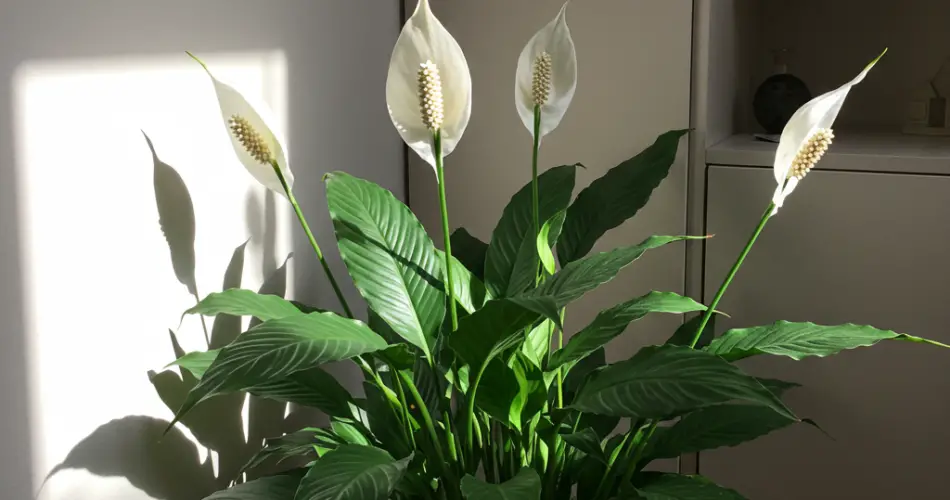
The peace lily (Spathiphyllum) is one of the most popular houseplants for a reason. With its elegant white blooms, glossy green foliage, and air-purifying qualities, it brings a touch of calm and freshness to any interior. Even if you’re short on space, peace lilies thrive beautifully in small corners, shelves, or tabletops—making them perfect for apartments and compact homes.
If you’re looking to grow a lush, thriving peace lily like a professional gardener, here’s your complete guide to doing just that—even in the smallest of spaces.
1. Pick the Right Pot and Location
Peace lilies are versatile and forgiving, but giving them a good start ensures healthy growth. Choose a pot with drainage holes, around 6 to 8 inches in diameter for small to medium plants. Avoid oversized pots, as too much soil can retain excess moisture and lead to root rot.
Place the plant in a bright, indirect light location. Peace lilies don’t need direct sunlight—in fact, it can scorch their leaves. They prefer filtered light near a north- or east-facing window. They also do well under fluorescent lights, making them ideal for offices or low-light corners.
2. Use the Right Soil
To mimic their natural rainforest habitat, peace lilies prefer light, well-draining soil rich in organic matter. A general-purpose houseplant potting mix works well, or you can create your own mix with:
-
2 parts peat moss or coco coir
-
1 part perlite or coarse sand
-
1 part compost or leaf mold
This combination ensures the roots receive the moisture they need without staying soggy.
3. Watering: Not Too Much, Not Too Little
Peace lilies like consistently moist soil, but overwatering is a common mistake. Check the top inch of soil with your finger—water only when it feels dry. Generally, watering once a week is sufficient, but adjust based on your indoor climate and season.
Always water thoroughly until excess runs out the bottom, then let the soil drain completely. Never let the pot sit in standing water.
Pro tip: Peace lilies are communicative—droopy leaves mean they’re thirsty. After watering, they usually perk up within hours.
4. Maintain Humidity and Temperature
These tropical plants love humidity, so consider placing them in naturally humid rooms like bathrooms or kitchens. If your indoor air is dry, boost humidity by:
-
Grouping plants together
-
Placing the pot on a tray filled with water and pebbles
-
Misting the leaves occasionally (avoid misting the flowers)
Peace lilies prefer temperatures between 65–80°F (18–27°C). Keep them away from cold drafts, AC vents, or heaters to avoid stress.
5. Feed Occasionally
While peace lilies aren’t heavy feeders, a little nutrition goes a long way. Fertilize lightly once a month during the growing season (spring through summer) using a balanced liquid houseplant fertilizer diluted to half strength.
Avoid fertilizing in winter, when the plant’s growth naturally slows down.
6. Prune for Health and Appearance
Peace lilies don’t require frequent pruning, but a little upkeep keeps them looking their best. Remove:
-
Yellowing or brown leaves
-
Spent flower stalks (cut them near the base)
-
Any damaged or spotted foliage
Use clean scissors or pruning shears to prevent the spread of disease.
7. Repot When Necessary
Peace lilies like being slightly root-bound, but when you notice roots growing out of the drainage holes or a significant drop in flowering, it may be time to repot.
Choose a new pot just one size larger and refresh the soil. Repotting is best done in spring, when the plant enters its active growth phase.
8. Handle Blooming and Non-Blooming Phases
Peace lilies typically bloom in spring or early summer, though some varieties bloom year-round indoors. The white “flowers” are actually modified leaves called spathes. If your peace lily isn’t blooming:
-
Ensure it’s getting enough indirect light
-
Avoid overfeeding with nitrogen-heavy fertilizers
-
Allow some rest in winter without fertilizer
Even without flowers, the peace lily’s dark green foliage makes it a standout ornamental plant.
9. Watch for Common Issues
Peace lilies are hardy but can face occasional problems:
-
Brown tips – usually due to low humidity or over-fertilizing
-
Yellow leaves – often caused by overwatering or poor drainage
-
No blooms – typically from low light or insufficient feeding
Keep an eye on leaf color and growth patterns to catch issues early.
10. Clean the Leaves
Dust can block light absorption and reduce the plant’s health. Wipe the leaves gently with a damp cloth every few weeks to keep them clean and shiny.
This small maintenance task not only improves appearance but also enhances photosynthesis and prevents pests.
Conclusion
Growing a peace lily in a small space is easier than you might think. With just the right pot, light, and a bit of regular care, you can cultivate a plant that adds beauty and tranquility to your home like a professional gardener would. Whether it’s placed in a corner shelf, office desk, or bathroom ledge, your peace lily will thrive—and turn your compact living space into a serene green haven.


