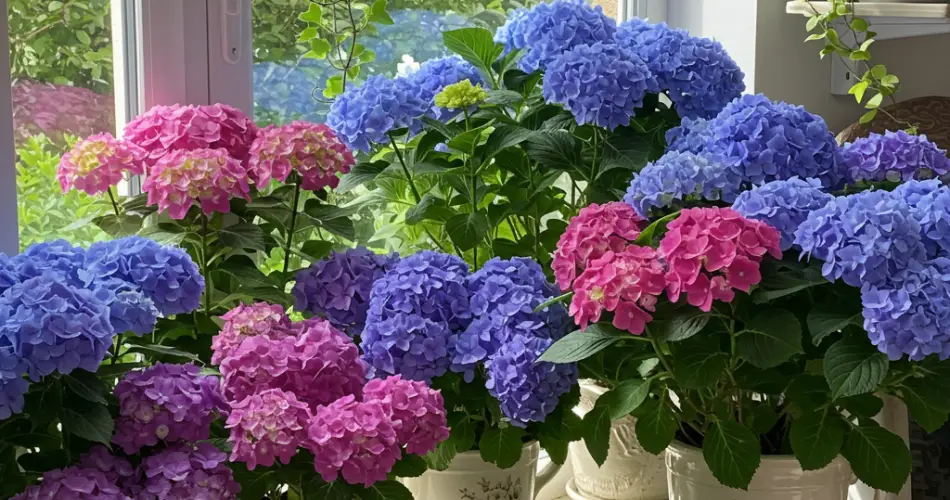
Hydrangeas are known for their lush foliage and showy blooms in shades of pink, blue, white, and purple. While they’re typically grown outdoors in gardens or landscapes, hydrangeas can also thrive indoors with the right care. Growing hydrangeas inside your home not only brings beautiful color and life into your space, but also allows you to enjoy their blooms all year round.
With a few simple tricks, you can successfully grow healthy, vibrant hydrangeas indoors—even if you don’t consider yourself a seasoned gardener.
Choosing the Right Hydrangea Variety
The first step to growing hydrangeas indoors is selecting the right type. Not all hydrangeas are well-suited to indoor conditions, but some varieties adapt better to life in containers.
The best indoor hydrangea varieties include:
-
Hydrangea macrophylla (Bigleaf hydrangea): Known for its large, colorful blooms and compact size.
-
Miniature or dwarf hydrangea cultivars: These stay small and are ideal for indoor pots.
-
Hydrangea serrata: A smaller species that can tolerate partial indoor lighting.
Choose healthy, well-established plants or rooted cuttings from a reliable source. Indoor hydrangeas are often sold pre-potted during spring and early summer when they naturally bloom.
Choosing the Right Pot and Soil
Hydrangeas have shallow but spreading root systems, so choose a wide container rather than a deep one. A pot that’s at least 12 inches wide with drainage holes is essential to prevent root rot.
Fill the pot with well-draining potting mix that retains moisture without becoming soggy. A mix containing peat moss, compost, and perlite or vermiculite works well. Avoid using garden soil, which can be too heavy and compact for indoor plants.
Lighting Requirements
Hydrangeas love bright, indirect light. Too much direct sunlight, especially through a window, can scorch the leaves, while too little light will prevent blooming.
Place your hydrangea:
-
Near an east- or west-facing window, where it will receive gentle morning or late afternoon sun.
-
Away from intense midday rays, especially in warmer months.
If natural light is limited, you can supplement with a full-spectrum grow light to help encourage flowering and maintain healthy growth.
Temperature and Humidity
Hydrangeas prefer moderate indoor temperatures between 60°F to 70°F (15°C to 21°C). Avoid placing your plant near heaters, air conditioners, or drafty windows, as sudden temperature changes can stress the plant.
Humidity is also important—hydrangeas like moderate to high humidity levels. If your indoor air is dry:
-
Mist the leaves regularly with water.
-
Place a shallow tray of water with pebbles beneath the pot (without letting the pot sit in water).
-
Use a humidifier during dry winter months.
Watering Your Indoor Hydrangea
Hydrangeas are thirsty plants and need consistent moisture. However, overwatering is a common mistake that can lead to root rot.
Tips for watering:
-
Water thoroughly when the top inch of soil feels dry.
-
Use room-temperature water to avoid shocking the roots.
-
Make sure excess water drains out of the pot completely.
-
Empty saucers or trays after watering to prevent standing water.
During their blooming season (spring and summer), hydrangeas need more frequent watering. In fall and winter, reduce watering as the plant enters a resting phase.
Feeding and Fertilizing
To keep your indoor hydrangea healthy and blooming, feed it with a balanced, water-soluble fertilizer every two to four weeks during the growing season.
Use a fertilizer formulated for flowering plants or one with slightly more phosphorus (the middle number in N-P-K ratios), which helps promote blooms.
Stop fertilizing in late fall when the plant naturally slows its growth. Resume feeding in early spring when new growth appears.
Pruning and Maintenance
Pruning helps maintain the shape of your hydrangea and encourages new blooms. Most hydrangeas bloom on old wood, so avoid heavy pruning in late fall or winter.
Instead:
-
Remove spent flowers after blooming (deadheading).
-
Trim back any leggy or unhealthy growth in early spring.
-
Remove any yellow or dried leaves to keep the plant looking fresh.
If your plant becomes too large for its container, you can repot it in a slightly bigger pot with fresh soil or take cuttings to start new plants.
Encouraging Re-Blooming
To help your hydrangea bloom again indoors:
-
Provide adequate light and humidity.
-
Feed regularly during the growing season.
-
Allow the plant a brief dormant period in winter—reduce watering, stop fertilizing, and keep it in a cooler room (50°F to 60°F) for a few weeks before bringing it back to warmer conditions.
With proper care, many hydrangeas will bloom again in the following season, bringing new color to your indoor garden.
Final Thoughts
Growing hydrangeas indoors may seem like a challenge at first, but with the right variety, light, and care, these beautiful flowering plants can thrive in pots. Their lush blooms and green foliage can brighten any corner of your home, from windowsills to living rooms.
By following these easy tricks—choosing the right potting mix, maintaining consistent moisture, and giving your plant enough light—you can enjoy vibrant, long-lasting hydrangeas indoors all year round.


