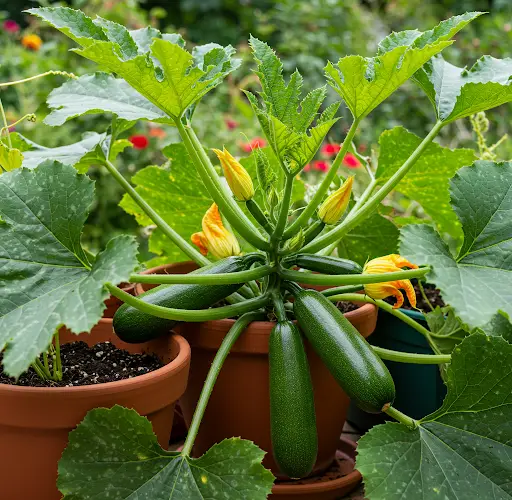
Squash and zucchini are some of the easiest vegetables to grow in your garden, and when you use grow bags, you can cultivate them even in small spaces like patios, balconies, or balconies. These warm-season vegetables are perfect for container gardening due to their deep root systems and adaptability. Whether you’re a seasoned gardener or just starting out, growing squash and zucchini from seed in grow bags can be a rewarding experience, resulting in a bountiful harvest.
In this guide, we’ll walk you through everything you need to know about growing squash and zucchini from seed in grow bags, from preparation to harvest.
1. Choosing the Right Squash and Zucchini Varieties
Before you start planting, it’s important to choose the right varieties for your space and climate. There are two main categories of squash: summer squash and winter squash. Zucchini falls under the summer squash category.
-
Summer squash (including zucchini) is fast-growing, tender, and harvested when immature. Varieties like ‘Black Beauty’ or ‘Yellow Crookneck’ are ideal for grow bags.
-
Winter squash, such as butternut or acorn, grows on longer vines and may require a larger grow space. Consider growing these in larger containers or on a trellis.
For grow bags, choose compact varieties of summer squash or zucchini. These are generally bush-type plants, which means they don’t take up as much space as sprawling, vine-like varieties.
2. Selecting the Right Grow Bag
The size of the grow bag is crucial for the health of your plants. Squash and zucchini need ample space for their root systems to develop.
Recommended grow bag size:
-
For one plant: Choose a grow bag that holds at least 5-7 gallons of soil. A 12–14-inch diameter bag will typically suffice.
-
For multiple plants: If you want to grow two plants, consider using a 10-15 gallon bag.
Material: Fabric grow bags are the best choice because they offer excellent drainage and allow the roots to breathe, preventing them from becoming root-bound.
Place the grow bags in a sunny location where they will receive 6–8 hours of direct sunlight each day.
3. Preparing the Soil for Planting
Squash and zucchini thrive in well-draining, fertile soil. To create the best growing environment, use a mix of potting soil and organic compost.
Soil preparation:
-
Fill the grow bag with a high-quality, well-draining potting mix.
-
Add 1-2 inches of compost to the top layer for additional nutrients.
-
Ensure that the grow bag is able to drain excess water by ensuring the bottom is perforated (most fabric bags come with drainage holes).
4. Sowing Squash and Zucchini Seeds
Squash and zucchini seeds can be sown directly into the grow bags once the soil temperature is 65-75°F (18-24°C), and the last frost has passed.
Steps for sowing seeds:
-
Plant 2-3 seeds per grow bag about 1 inch deep.
-
Space the seeds 8-12 inches apart, as squash and zucchini can grow large.
-
Water gently after sowing to settle the seeds into the soil.
-
Keep the soil consistently moist, but not soggy, during the germination period.
-
If you planted multiple seeds, thin the seedlings down to the strongest one once they have a few sets of leaves.
Germination typically takes 7-10 days, depending on temperature.
5. Watering and Fertilizing
Squash and zucchini are heavy feeders and need regular watering and fertilization to grow healthy, productive plants.
Watering:
-
Water deeply once or twice a week, depending on the weather, to ensure that the roots get enough moisture.
-
Be sure the water reaches the root zone. Avoid overhead watering to reduce the risk of disease.
Fertilizing:
-
Use a balanced liquid fertilizer or organic compost every 3–4 weeks.
-
For squash and zucchini, you can also side-dress with compost or aged manure around the base of the plants every month.
-
Once the plants begin to flower and fruit, switch to a fertilizer higher in potassium to support fruit development.
6. Providing Support and Maintenance
Though squash and zucchini are bush varieties, some of them may still spread out. Ensure the plants have enough room to grow without overcrowding.
Maintenance tips:
-
Mulch around the base of the plants to retain moisture and reduce the risk of weeds.
-
Prune any dead or yellowing leaves to improve airflow and reduce the chance of fungal infections.
-
If growing zucchini or squash that produces large fruits, you may need to support the fruits with a cloth sling to prevent them from rotting on the ground.
7. Pollination and Fruit Production
Squash and zucchini are typically pollinated by bees and other insects. Ensure your plants are accessible to pollinators, or you can hand-pollinate using a cotton swab to transfer pollen from male to female flowers.
-
Male flowers appear first, followed by female flowers that have a small fruit at the base.
-
Pollination usually occurs within the first few hours after the flowers open, so it’s important to act quickly if you’re manually pollinating.
Once pollinated, squash and zucchini will start producing fruit within 50-60 days, depending on the variety.
8. Harvesting Squash and Zucchini
Both squash and zucchini are typically harvested while still young, about 6-8 inches long, depending on the variety. Harvesting regularly encourages further production.
-
Zucchini: Pick when the fruits are small, tender, and shiny. Don’t let them grow too large, as they can become tough and seedy.
-
Squash: Harvest when the skin is firm and the color has fully developed.
To harvest, use sharp scissors or pruning shears to avoid damaging the plant.
Final Thoughts
Growing squash and zucchini in grow bags is an excellent way to enjoy homegrown vegetables even with limited space. By following these simple steps and providing the proper care, you can enjoy a fruitful harvest of squash and zucchini all season long.


