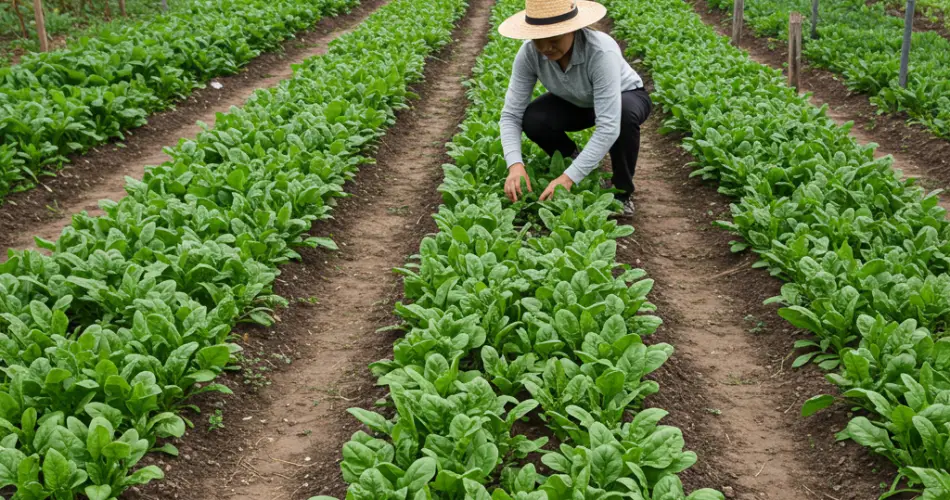
Spinach is one of the easiest and most rewarding leafy greens to grow in your garden. Fast-growing, nutrient-rich, and packed with flavor, spinach can be harvested multiple times in a season and thrives even in small spaces. Whether you’re a beginner or an experienced gardener, learning how to grow spinach the right way can give you lush, vibrant leaves that not only fill your plate but turn heads in the neighborhood.
Here’s everything you need to know to grow spinach in your garden and enjoy an abundant harvest.
1. Pick the Right Variety
There are several spinach varieties to choose from, and selecting the right one for your climate and preferences is the first step toward a successful harvest.
-
Savoy – Dark green, crinkly leaves. Cold-tolerant and ideal for winter planting.
-
Flat-leaf – Smooth leaves that are easier to clean and perfect for salads or cooking.
-
Semi-savoy – A cross between savoy and flat-leaf. Good texture and easier to manage in the garden.
If you live in a warmer region, look for bolt-resistant varieties like ‘Bloomsdale’ or ‘Tyee,’ which are better suited to resist heat and prolong the growing season.
2. Choose a Good Location
Spinach grows best in cool weather and partial sun, although it will still do well in full sun during early spring or autumn. Find a spot in your garden that gets 4–6 hours of sunlight daily and has well-draining, fertile soil.
Avoid planting spinach where heavy-feeding crops like tomatoes or corn were recently grown, as spinach thrives in nutrient-rich conditions and doesn’t compete well with depleted soil.
3. Prepare the Soil
Spinach prefers loamy, well-drained soil with a pH between 6.0 and 7.0. Before planting, enrich the soil with compost or well-rotted manure to improve texture and fertility.
If you’re unsure of your soil pH, consider testing it with a simple home soil test kit. Amending the soil with organic matter not only boosts nutrition but also helps retain moisture—essential for healthy spinach growth.
4. Sow Seeds at the Right Time
Spinach is a cool-season crop and can be planted as soon as the ground can be worked in spring, or in late summer to early fall for a fall or overwintered crop, depending on your climate.
Sow seeds ½ inch deep and 2 inches apart, in rows spaced about 12 inches apart. Thin seedlings to 4–6 inches apart once they emerge to give each plant room to grow.
To enjoy a continuous harvest, sow a new batch every 2–3 weeks during the growing season.
5. Water Consistently
Consistent moisture is key to growing lush spinach leaves. Keep the soil evenly moist but not soggy, especially during dry spells. Mulching around the plants helps retain moisture and keep the roots cool.
Avoid watering from overhead to reduce the risk of fungal disease. Instead, water at the base of the plants using a watering can or drip system.
6. Feed Lightly
Spinach doesn’t require heavy feeding, but a light application of balanced fertilizer or compost tea every few weeks will promote healthy leaf growth.
Avoid over-fertilizing with nitrogen-rich formulas, as too much nitrogen can lead to overly lush leaves that are more susceptible to pests and diseases.
7. Keep an Eye on Pests and Problems
Spinach is relatively trouble-free, but some pests may try to move in:
-
Aphids – Can be sprayed off with water or treated with neem oil.
-
Leaf miners – Look for white trails on leaves and remove affected leaves quickly.
-
Slugs and snails – Use natural barriers or traps to keep them away.
Regularly check the undersides of leaves and remove any damaged or infested parts to keep your spinach crop healthy and attractive.
8. Harvest the Right Way
You can begin harvesting baby spinach leaves when they are about 3 inches long. For full-sized leaves, wait until they reach 6–8 inches. Use clean scissors or garden shears to cut the outer leaves, leaving the inner crown intact so the plant can continue to produce new growth.
Spinach grows quickly, so check often and harvest regularly to encourage continued leaf production.
9. Extend the Season
In cooler climates, protect your spinach crop with row covers or cold frames to extend your growing season into winter. In warmer zones, you can grow spinach throughout the cooler months by planting in shaded areas and choosing bolt-resistant varieties.
Growing spinach in succession plantings will ensure a steady supply of fresh greens through much of the year.
10. Show Off Your Success
With its vibrant green color and full, healthy leaves, spinach is a standout in any garden. By following these simple tips, your spinach bed will not only feed your family but also impress anyone who walks by.
Soon enough, your neighbors may be asking for your secret—and there’s nothing wrong with sharing a few homegrown leaves along with your gardening wisdom.
Conclusion
Spinach is a fast-growing, nutrient-dense crop that belongs in every garden. With the right variety, soil preparation, and a little care, you can enjoy multiple harvests throughout the year. Even better, the sight of your thriving spinach patch might just make your neighbors a little envious—and maybe even inspire them to start growing their own.


