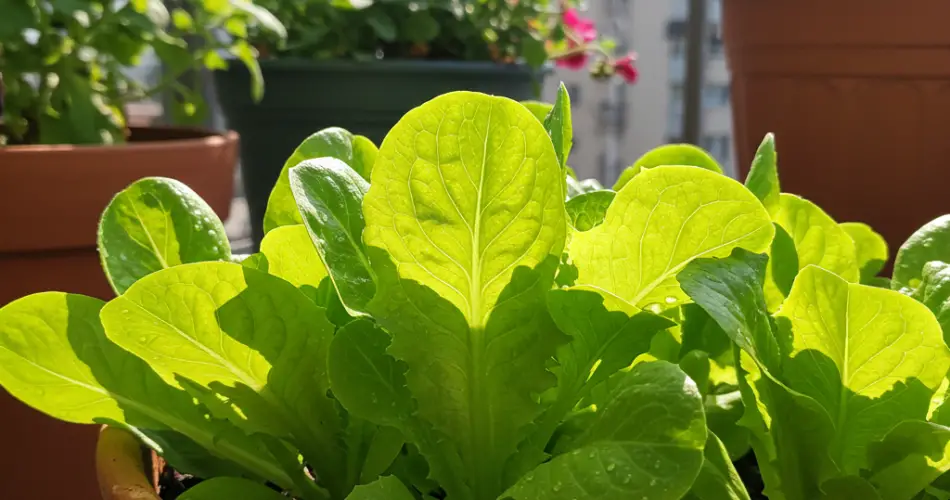
Think you need a large backyard to grow fresh, crisp lettuce? Think again. Lettuce is one of the easiest and most rewarding vegetables you can grow on a balcony—even in the smallest urban spaces. With just a few containers, a sunny spot, and some simple care, you can enjoy a continuous harvest of homegrown greens right outside your door.
Whether you want leafy varieties for salads or compact heads for sandwiches, balcony-grown lettuce is the perfect introduction to urban gardening.
Why Lettuce is Perfect for Balcony Gardening
Lettuce is a fast-growing, cool-season crop that thrives in containers. It doesn’t require deep soil or complicated care routines, and it matures quickly, allowing for multiple harvests throughout the year. Plus, the variety of leaf shapes and colors can add a touch of greenery and beauty to any balcony setup.
If you’re short on space, time, or experience, lettuce is an excellent plant to start your balcony garden journey.
Choosing the Right Lettuce Variety
Different types of lettuce grow better in different conditions. For balcony gardens, it’s smart to choose varieties that are compact and quick to mature.
Some top picks include:
-
Loose-leaf lettuce (e.g., Black Seeded Simpson, Red Salad Bowl): Fast to grow and easy to harvest leaf by leaf.
-
Romaine (Cos): Upright growth saves space and provides crunchy texture.
-
Butterhead (e.g., Bibb or Boston): Tender and sweet, great for wraps or salads.
-
Mini head varieties: Perfect for small containers and single-serving meals.
Loose-leaf types are especially recommended for beginners, as they allow for continuous harvesting without removing the whole plant.
Selecting Containers and Soil
You don’t need fancy equipment—just containers with good drainage and enough room for roots to spread. Shallow pots or boxes that are 6–8 inches deep are perfect for lettuce. Window boxes, plastic bins, recycled crates, and even hanging baskets can be used creatively.
Use a high-quality, lightweight potting mix—not garden soil, which can compact easily and hinder root growth. The mix should be rich in organic matter and well-draining. You can improve nutrition and moisture retention by mixing in compost or worm castings.
Sowing and Spacing
Lettuce can be grown from seeds or seedlings. If sowing seeds directly:
-
Fill your container with moist potting mix.
-
Scatter seeds thinly on the surface and lightly press them into the soil.
-
Cover with a very thin layer of mix or vermiculite.
-
Mist gently with water to keep the soil moist.
If using seedlings, space them about 4 to 6 inches apart to give leaves room to grow. Lettuce prefers cooler temperatures and partial sun, so if your balcony gets intense afternoon light, consider providing shade or growing during spring and fall.
Light and Water Requirements
Lettuce needs 4 to 6 hours of sunlight per day to grow well, but it appreciates some afternoon shade, especially in warmer climates. East-facing balconies are often ideal.
Watering is crucial—lettuce has shallow roots and needs consistently moist soil. Water in the morning and check daily, especially during hot weather. Avoid letting the soil dry out completely or become waterlogged.
To maintain steady moisture, consider mulching with straw, shredded paper, or coconut husk around the plants. This also helps reduce weed growth and temperature fluctuations.
Fertilizing and Maintenance
Lettuce doesn’t need heavy feeding, but a light dose of balanced, liquid fertilizer every two weeks will keep plants growing vigorously. Organic options like fish emulsion or seaweed extract are also beneficial.
Trim outer leaves regularly to encourage continuous growth, especially for loose-leaf types. If you’re growing head lettuce, wait until the heads are firm before harvesting.
Watch for pests like aphids or slugs. These can be removed by hand or treated with neem oil or insecticidal soap. Good airflow and avoiding overhead watering help reduce fungal issues.
Harvesting Your Balcony Lettuce
One of the joys of balcony gardening is harvesting fresh greens just before a meal. For loose-leaf varieties, you can begin harvesting individual leaves as soon as they are large enough—typically 3 to 4 inches long. This method, known as “cut and come again,” allows the plant to keep producing.
For head lettuce, harvest the entire plant once the head has formed and feels firm. Always use clean scissors or a knife to avoid damaging the plant or spreading disease.
Replanting for Continuous Harvest
To keep a steady supply, plant new seeds every two weeks. This staggered planting ensures you always have young plants coming up as older ones are harvested. Since lettuce matures quickly—often within 30 to 60 days—you can enjoy multiple rounds throughout the season.
Lettuce can even be grown year-round if your balcony is in a mild climate or if you use a small cold frame or cloche in cooler months.
Final Thoughts
Growing lettuce on a balcony is a surprisingly simple way to enjoy fresh, healthy food with minimal effort and space. With just a few containers, good soil, regular watering, and a little sunlight, you can transform even a small urban balcony into a productive mini-garden.
Whether you’re growing for a crunchy Caesar salad or a colorful side dish, your balcony-grown lettuce will taste better than anything you can buy in a store—and the process is incredibly rewarding.


