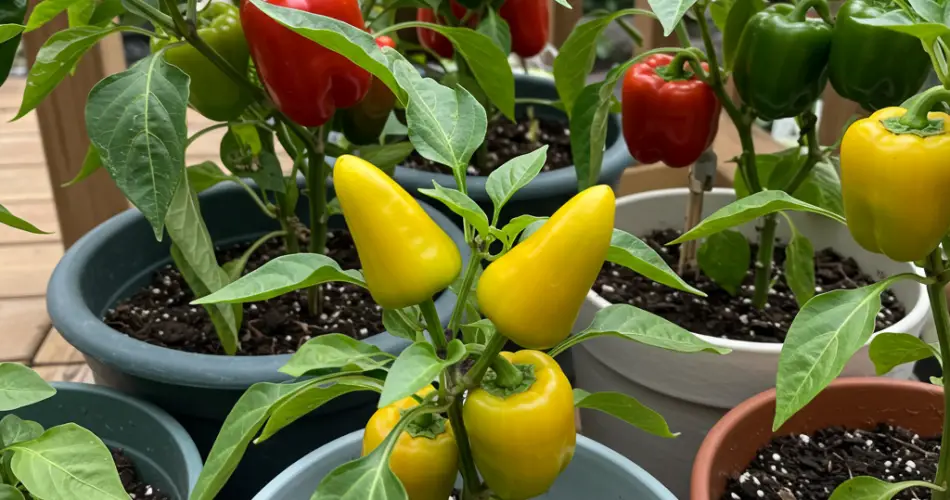
Growing peppers is one of the most satisfying experiences for home gardeners—but what if you don’t have access to soil, or simply want a cleaner, more efficient method? The good news is that you can grow peppers in pots without any soil at all using soilless techniques like hydroponics or coco coir. These methods are not only space-saving but also ideal for indoor environments, balconies, or small patios. If you’re looking to grow vibrant, productive pepper plants without traditional dirt, here’s everything you need to know.
Why Grow Peppers Without Soil?
Soilless gardening methods like hydroponics and coco coir offer several benefits:
-
Cleaner and less messy than soil-based growing.
-
Fewer pests and soil-borne diseases.
-
Faster growth and higher yields thanks to better nutrient control.
-
Ideal for indoor or limited-space gardening.
Whether you’re growing sweet bell peppers, hot chili peppers, or specialty varieties, soilless growing gives you flexibility and control over the plant’s environment.
Method 1: Hydroponic Growing for Peppers
Hydroponics is a method of growing plants in a nutrient-rich water solution, with no soil involved. There are various hydroponic systems, but one of the most accessible for beginners is the Kratky method, which doesn’t require pumps or electricity.
Supplies Needed:
-
A bucket or container with a lid (5-gallon buckets work well)
-
Net pots to hold the plants
-
A hydroponic nutrient solution (specific for vegetables or peppers)
-
Rockwool cubes or clay pebbles to anchor seedlings
-
Pepper seeds or seedlings
-
Clean, pH-balanced water
Steps:
-
Start your seeds in rockwool cubes soaked in water. Place them in a warm, bright spot until they sprout.
-
Once seedlings are a few inches tall, transfer them to net pots, securing the roots with clay pebbles.
-
Fill your container with water and nutrients, maintaining a pH of 5.8 to 6.5.
-
Place the net pots into holes cut in the lid, ensuring only the root tips touch the water.
-
As the plants grow, their roots will reach further down into the nutrient solution.
Keep the container in a warm, well-lit location—peppers need at least 10–12 hours of light daily, so consider using LED grow lights if sunlight is insufficient.
Method 2: Coco Coir in Containers
Coco coir is a soilless growing medium made from coconut husks. It’s lightweight, sustainable, and excellent at retaining moisture while providing good aeration. Peppers thrive in coco coir, especially when paired with perlite for added drainage.
Supplies Needed:
-
Large pot or grow bag with drainage holes
-
Coco coir bricks or loose mix
-
Perlite (optional, mix 70% coco coir and 30% perlite)
-
Liquid fertilizer suitable for vegetables
-
Pepper seeds or seedlings
Steps:
-
Hydrate the coco coir bricks by soaking them in warm water until they expand fully.
-
Mix with perlite if desired, then fill your container.
-
Plant your pepper seedling into the center and water thoroughly.
-
Feed with a diluted liquid fertilizer once or twice a week, adjusting strength as the plant matures.
Coco coir retains moisture well but drains quickly, so check often to keep the medium damp but not soggy. You’ll also need to supplement calcium and magnesium, which coco coir lacks. Many liquid nutrients already include these, or you can add Cal-Mag supplements separately.
Lighting, Temperature & Humidity
Peppers love warmth and light. Keep them in a space that maintains:
-
Temperature: 70°F to 85°F (21°C to 29°C)
-
Humidity: 40%–60% is ideal
-
Light: Minimum 10 hours per day, ideally with full-spectrum LED grow lights indoors
If growing outdoors, make sure the plants get full sun and are protected from strong wind.
Pollination and Fruit Production
Peppers are self-pollinating, but you can encourage pollination by gently shaking the plant or brushing the flowers with a soft paintbrush. This is especially helpful in indoor setups where wind and pollinators are absent.
Once flowering starts, switch to a bloom-boosting fertilizer with higher potassium and phosphorus to support fruit development.
Harvesting Peppers
Peppers are ready to harvest when they reach full size and develop their mature color—whether that’s red, yellow, green, or purple, depending on the variety. Use scissors or a sharp knife to cut the fruit cleanly without damaging the plant.
Regular harvesting encourages more fruit to form, extending your growing season.
Final Tips for Success
-
Monitor pH and nutrient levels regularly in hydroponic systems.
-
Clean your containers and tools to prevent algae or disease buildup.
-
Provide good air circulation indoors to prevent mold or mildew.
-
Start small, then scale up once you’re comfortable with the method.
Growing peppers in pots without soil is a clean, efficient, and rewarding way to enjoy fresh produce at home. Whether you choose hydroponics or coco coir, you’ll be amazed at how productive your plants can be—even without a single scoop of dirt.


