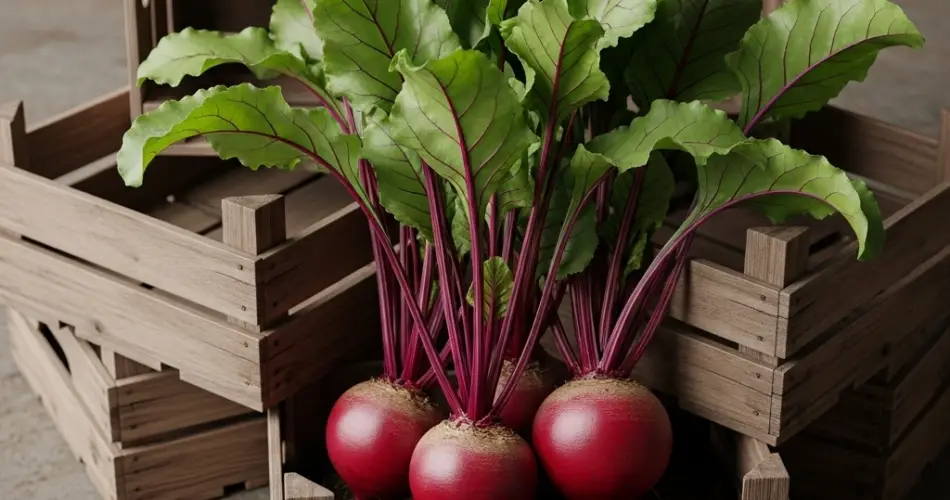
Beets are not only delicious and nutritious, but they are also surprisingly easy to grow, even if you don’t have traditional garden space. With a simple wooden crate, you can set up a productive beet bed right in your backyard, patio, or balcony. This method is perfect for gardeners with limited ground space who still want fresh, homegrown vegetables. The key is creating the right growing environment for beets, which thrive in loose, well-draining soil with plenty of sunlight.
Here’s a step-by-step guide to growing plump, healthy beets in backyard crate beds.
1. Choosing the Right Crate
Select a sturdy wooden crate at least 30 cm (12 inches) deep to give beet roots room to grow. The length and width can vary based on available space, but the depth is crucial for proper root development. Avoid crates treated with harmful chemicals, as they may leach into the soil. If using a recycled crate, line it with breathable landscape fabric to keep soil from spilling out while still allowing drainage.
2. Preparing the Crate for Planting
Beets do not like waterlogged soil, so good drainage is essential. Start by drilling a few small holes in the bottom of the crate if it doesn’t have any. Add a layer of coarse gravel or small stones at the base to help excess water escape. This prevents root rot and ensures the roots develop evenly.
3. Creating the Perfect Soil Mix
Beets grow best in loose, fertile soil that allows their roots to expand without resistance. A good mix for crate gardening is:
-
50% garden soil or loam – for structure and nutrients.
-
30% compost – for organic matter and fertility.
-
20% coarse sand or perlite – for improved drainage and aeration.
Mix the ingredients well and fill the crate almost to the top, leaving about 2 cm (1 inch) of space to prevent soil from spilling during watering.
4. Selecting and Planting Beet Seeds
Choose beet varieties suited to your climate and taste preferences. Popular types include ‘Detroit Dark Red,’ ‘Chioggia,’ and ‘Golden Beet.’ Sow the seeds directly into the crate rather than transplanting, as beets don’t respond well to root disturbance.
Plant the seeds about 1.5 cm (½ inch) deep and 7–10 cm (3–4 inches) apart. If planting in rows, keep 20 cm (8 inches) between rows. You can also scatter seeds evenly and thin them later, using the thinnings as tender baby greens in salads.
5. Watering and Sunlight Needs
Place your crate where it will receive at least 6 hours of sunlight daily. Beets can tolerate partial shade, but full sun produces the best root size and sweetness. Keep the soil evenly moist, especially during germination, which typically takes 5–10 days.
Water deeply but avoid overwatering, as soggy soil can cause beets to split or develop diseases. The goal is to maintain steady moisture without flooding the roots.
6. Thinning for Healthy Roots
Once seedlings are about 5–7 cm (2–3 inches) tall, thin them to the proper spacing to avoid overcrowding. Overcrowded beets produce small, misshapen roots. Use scissors to snip extra seedlings at soil level rather than pulling them out, which may disturb nearby roots.
7. Feeding and Maintenance
Beets are light feeders compared to many vegetables, but they appreciate a boost during growth. Every 3–4 weeks, apply a balanced liquid fertilizer or compost tea to encourage healthy roots and lush greens. Avoid high-nitrogen fertilizers, as these can promote leaf growth at the expense of the roots.
Weeding is minimal in crate beds, but remove any small weeds early to prevent competition for nutrients.
8. Harvesting Your Beets
Beets are typically ready for harvest 50–70 days after planting, depending on the variety. For the sweetest flavor, harvest when roots are about the size of a golf ball to a tennis ball. Gently loosen the soil around the beet before pulling to avoid damage.
Don’t forget the greens—beet leaves are edible and highly nutritious, with a flavor similar to Swiss chard. Harvest them sparingly while the plant is growing, and more generously once the root is mature.
9. Success Tips for Bigger, Sweeter Beets
-
Consistent watering prevents woody roots.
-
Avoid compacted soil by never stepping on or pressing down hard on the growing medium.
-
Rotate crops in crate beds each season to prevent soil-borne diseases.
Final Thoughts
Growing plump beets in backyard crate beds is an efficient and rewarding way to enjoy fresh produce without needing a traditional garden. With the right soil mix, steady moisture, and good sunlight, you can harvest sweet, tender beets right outside your door. Plus, crate beds are portable, making it easy to adjust placement for optimal light and protection from extreme weather.


