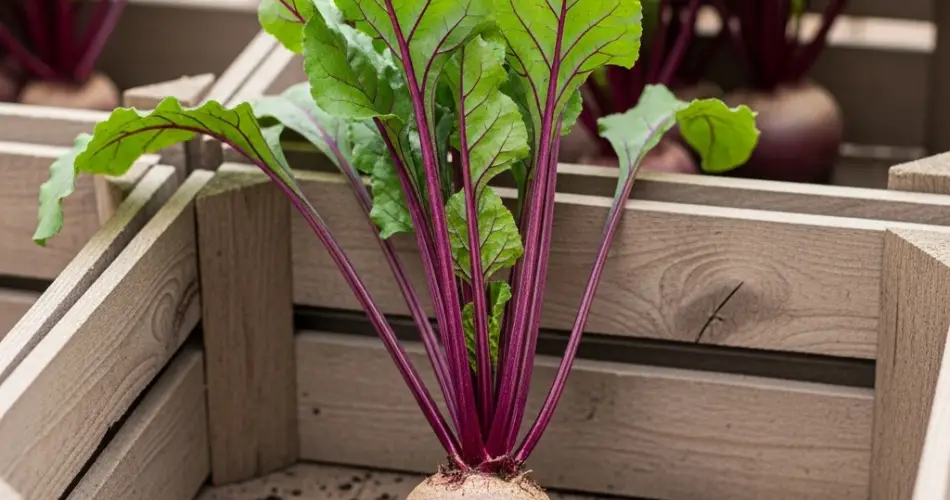
Beetroot is a nutritious and versatile crop that thrives in many climates, making it a favorite for home gardeners. With its earthy sweetness, vibrant color, and ability to grow in relatively small spaces, it’s perfect for backyard gardens—even if your growing area is limited. One creative and practical method for growing beets at home is using wooden crates. This approach is not only space-efficient but also cost-effective, as it can make use of recycled materials while producing a steady supply of fresh beets for your kitchen.
Why Use Crates for Beetroot Gardening?
Growing beets in crates offers several benefits:
-
Portability: Crates can be moved to follow the sun or to protect plants from extreme weather.
-
Better Soil Control: You can fill crates with nutrient-rich soil tailored to beetroot needs, avoiding poor native soil conditions.
-
Space-Saving: Perfect for patios, balconies, or small yards where traditional garden beds aren’t possible.
-
Pest Reduction: Elevating plants can reduce issues with certain ground-dwelling pests.
Choosing the Right Crates
Select sturdy wooden crates with enough depth—at least 20–25 cm—to allow beetroots to develop properly. Old fruit crates, wine boxes, or handmade wooden boxes work well. If using recycled crates, make sure the wood is untreated to avoid chemicals leaching into the soil.
Before planting, line the inside with a breathable material like burlap or landscape fabric to hold the soil while allowing excess water to drain.
Soil Preparation
Beets prefer loose, well-drained soil rich in organic matter. A good mix for crate gardening includes:
-
60% high-quality garden soil or loam
-
30% compost for nutrients
-
10% coarse sand for improved drainage
Avoid rocky or compacted soil, as it can cause misshapen roots. Before planting, loosen the soil in the crate with a trowel and remove any debris.
Planting Beetroot Seeds
-
Sowing: Sow beet seeds directly into the crate. Plant them about 1–2 cm deep and space them 7–10 cm apart to allow enough room for root development.
-
Moisture: Water gently but thoroughly after planting to ensure good seed-to-soil contact.
-
Thinning: When seedlings are about 5 cm tall, thin them by snipping the weaker plants at the base, leaving the strongest ones to grow. The thinned leaves can be used fresh in salads.
Sunlight and Positioning
Beets require at least 6 hours of sunlight daily. Place your crates in a sunny spot, such as a patio, driveway, or balcony. In very hot climates, light afternoon shade can help prevent stress to the plants.
Watering and Feeding
Crates dry out faster than ground soil, so check moisture levels regularly. Water when the top 2–3 cm of soil feels dry, ensuring that water drains freely to prevent root rot.
Feed your beets every 3–4 weeks with a balanced liquid fertilizer or compost tea to encourage healthy root and leaf growth. Avoid excessive nitrogen, which promotes leafy tops at the expense of root development.
Pest and Disease Control
While crate gardening reduces some pest issues, you should still watch for common beet pests like aphids, leaf miners, and flea beetles. Inspect plants regularly and remove pests by hand or treat with organic insecticidal soap if needed.
To prevent fungal diseases, ensure adequate spacing for airflow and avoid overhead watering.
Harvesting Beetroots
Beets are generally ready to harvest 7–9 weeks after sowing, depending on the variety. The roots should be about the size of a golf ball to a tennis ball for the best flavor and texture. Larger beets can become woody.
Gently loosen the soil with your hands or a small tool, then pull the beets out by the base of the stems. Shake off excess soil and store in a cool, dry place.
Don’t forget that beet greens are also edible and packed with nutrients. Harvest them while young and tender for use in salads, sautés, or soups.
Replanting for Continuous Harvest
To enjoy fresh beets for longer, sow new seeds in the crates every 2–3 weeks during the growing season. This staggered planting ensures you’ll have a steady supply rather than one large harvest all at once.
Advantages Beyond the Harvest
Using crates for beetroot gardening is not only productive but also aesthetically pleasing. A row of rustic wooden boxes filled with lush green leaves adds charm to your backyard or balcony. Additionally, crates make seasonal gardening easy—at the end of the growing cycle, you can refresh the soil and plant different crops in the same containers.
By combining resourcefulness with proper planting techniques, crate gardening can turn even the smallest space into a productive beetroot patch. With just a few crates, some quality soil, and regular care, you can enjoy the satisfaction of harvesting fresh, homegrown beets right from your own backyard.


