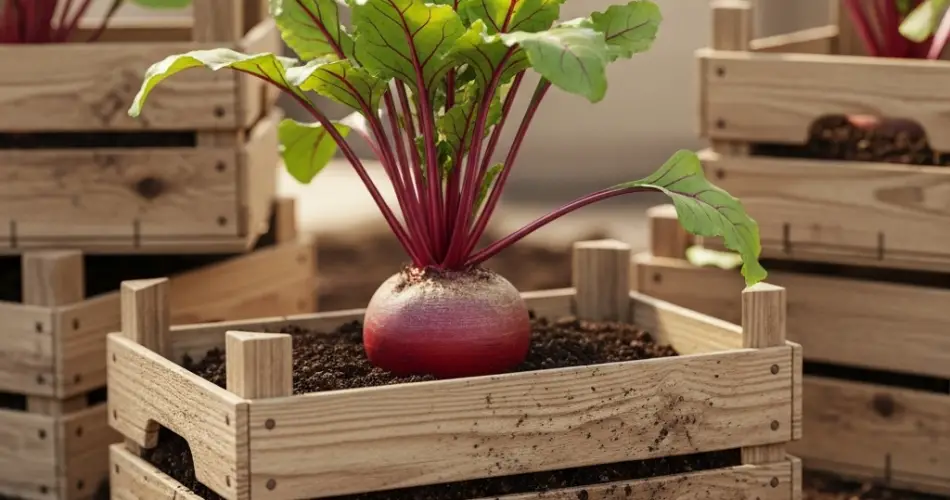
Growing beets at home doesn’t require a large garden or sophisticated equipment. With the right approach, you can harvest sweet, earthy beets straight from a simple wooden crate. This method is ideal for gardeners with limited space, such as those living in apartments or urban homes with only a balcony or small yard. It’s also a great way to control soil quality and reduce the risk of pests.
This guide will walk you through how to grow deep-rooted beets in wooden crates, from preparation to harvest, so you can enjoy fresh vegetables with minimal fuss.
1. Choosing the Right Wooden Crate
The first step is selecting a sturdy wooden crate that can hold enough soil for beets to grow deep roots. Beets need at least 8–12 inches of soil depth to develop properly. Look for a crate that is:
-
Strong and well-built to handle the weight of soil and plants.
-
Deep enough for root expansion.
-
Made from untreated wood to avoid harmful chemicals leaching into the soil.
Before using, line the inside of the crate with a breathable fabric or burlap. This will help keep soil in place while allowing excess water to drain.
2. Preparing the Soil
Beets thrive in loose, well-drained soil with a slightly acidic to neutral pH (6.0–7.0). Compact or heavy clay soil can hinder root growth, so aim for a light, crumbly texture.
A good mix for crate planting is:
-
40% garden soil or topsoil
-
40% compost for nutrients
-
20% coarse sand or perlite to improve drainage
Before planting, mix in a handful of organic fertilizer rich in phosphorus and potassium, which promote root growth and flavor development. Avoid excess nitrogen, as it can cause large leaves but small roots.
3. Sowing Beet Seeds
Beet seeds are actually small clusters containing multiple seeds. This means you’ll usually get several seedlings sprouting from each spot.
Steps for sowing:
-
Moisten the soil lightly before planting.
-
Create shallow rows about 1–1.5 cm deep and 10–15 cm apart.
-
Drop seeds every 7–10 cm, then cover gently with soil.
-
Water gently to settle the seeds without washing them away.
Germination typically takes 5–10 days, depending on temperature.
4. Thinning Seedlings for Healthy Roots
Once seedlings are about 5 cm tall, you’ll need to thin them to avoid overcrowding. Gently pull or snip extra seedlings at the soil level, leaving about 8–10 cm between plants. This ensures each beet has enough space to grow into a round, healthy root.
You can eat the thinned seedlings as baby greens in salads—they’re packed with nutrients and flavor.
5. Watering and Sunlight Needs
Beets need consistent moisture but dislike waterlogged soil. A wooden crate dries out faster than garden beds, so check daily and water when the top 2–3 cm of soil feels dry.
For best results:
-
Provide 6–8 hours of sunlight daily.
-
Water deeply so moisture reaches the root zone.
-
Mulch the surface with straw or dry leaves to retain moisture and reduce weeds.
6. Fertilizing During Growth
Halfway through the growth cycle, apply a light feeding of balanced organic fertilizer or compost tea. Beets don’t require heavy feeding, but a mid-season boost can improve size and flavor.
7. Pest and Disease Prevention
Crate planting reduces many pest risks, but keep an eye out for:
-
Leaf miners – Remove affected leaves early.
-
Aphids – Spray with a mild soap solution or neem oil.
-
Fungal issues – Ensure good air circulation and avoid overhead watering late in the day.
8. Harvesting Beets
Beets are usually ready to harvest in 50–70 days. You can start pulling young, small beets at about 4 cm in diameter for tender, sweet flavor, or let them grow larger for a stronger taste.
To harvest:
-
Loosen soil around the base with your hands.
-
Pull gently by the greens to avoid damaging roots.
-
Twist off leaves about 2–3 cm above the root to prevent bleeding during storage.
9. Storing Your Harvest
Fresh beets can be stored in a cool, dark place for several weeks. For longer storage, keep them in the refrigerator in a perforated bag, or preserve them by pickling.
10. Benefits of Wooden Crate Beet Gardening
-
Portable – Move crates to capture sunlight or protect from heavy rain.
-
Space-saving – Perfect for balconies, patios, and rooftops.
-
Control over soil quality – Avoids poor garden soil and weeds.
-
Aesthetic appeal – Wooden crates add a rustic, decorative touch to small gardens.
By following these steps, you can enjoy the satisfaction of harvesting your own deep-rooted beets without needing a traditional garden bed. Wooden crate gardening not only saves space but also offers a neat, organized, and productive way to grow fresh vegetables at home.


