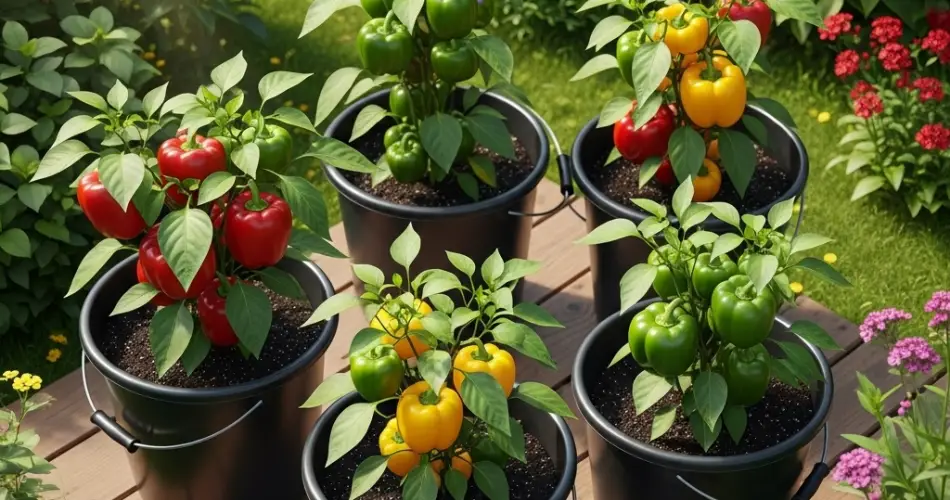
If you think soil is the only way to grow vegetables, think again. With the rise of hydroponics and soilless gardening, it’s now easier than ever to grow vibrant, productive pepper plants right in buckets—without using a single handful of dirt. This method is clean, efficient, space-saving, and perfect for balconies, patios, or indoor gardens.
Even if you’ve never grown a plant before, this guide will walk you through the process of growing peppers in buckets using a soilless medium. With the right tools and attention, you’ll be harvesting crisp, flavorful peppers in no time.
Why Grow Peppers Without Soil?
Soilless gardening offers several advantages over traditional methods, especially in small spaces or urban areas:
-
Cleaner and less messy than soil-based setups
-
Reduces risk of soil-borne pests and diseases
-
Precise control over nutrients and pH
-
Faster growth and higher yields when managed properly
You can grow a variety of peppers—bell peppers, chili peppers, banana peppers, and more—in buckets using hydroponics or inert media like perlite and coco coir.
What You’ll Need
To get started, you’ll need a basic soilless system. Here’s a simple list:
-
5-gallon plastic bucket with lid (food-grade is ideal)
-
Net pot or mesh basket (fits into a hole in the bucket lid)
-
Growing medium (perlite, vermiculite, coco coir, or a mix)
-
Pepper seedlings or seeds
-
Liquid hydroponic nutrient solution (balanced for fruiting vegetables)
-
Water pH test kit or digital meter
-
Air pump and air stone (optional but helpful for root oxygenation)
-
Drill or utility knife (to create holes in the lid)
Choosing the Right Pepper Variety
Most pepper varieties adapt well to hydroponic or soilless growing. Here are some easy ones for beginners:
-
Bell peppers – Crunchy and sweet, excellent for salads and cooking
-
Cayenne peppers – Thin, spicy, and productive
-
Banana peppers – Mild flavor, good for pickling
-
Jalapeños – Great for salsas and grilling
Smaller varieties tend to do better in limited spaces and water-based systems, but with proper support, even larger pepper plants can thrive.
Setting Up Your Soilless Bucket System
-
Prepare the Bucket: Drill a hole in the center of the lid large enough to fit the net pot snugly. If using an air stone, drill a small hole near the rim of the bucket for the airline tubing.
-
Assemble the System:
-
Fill the net pot with your chosen growing medium (like perlite and coco coir).
-
Fill the bucket with water and add the recommended amount of hydroponic nutrients.
-
Adjust the pH to 5.8–6.5, which is ideal for peppers.
-
If using an air stone, place it at the bottom of the bucket and connect it to the air pump to oxygenate the water.
-
-
Insert the Seedling: Gently place a pepper seedling into the net pot. Ensure the roots reach the nutrient solution or are close enough to absorb moisture through the growing medium.
Lighting and Temperature
Peppers love warmth and light. For outdoor setups, place the bucket in a sunny spot where the plant will receive at least 6–8 hours of direct sunlight daily. For indoor systems, use LED grow lights and keep the temperature between 70–85°F (21–29°C) during the day.
Watering and Feeding
In a soilless system, you’re essentially feeding and watering at the same time through the nutrient solution.
-
Top off the water regularly to maintain the correct level.
-
Change the nutrient solution every 10–14 days to prevent imbalances or buildup.
-
Monitor pH regularly and adjust as needed to keep it within the ideal range.
Avoid overfeeding—follow the nutrient manufacturer’s instructions carefully, especially in the early growth stages.
Supporting Your Plants
As peppers grow taller and heavier with fruit, they may need support. Use:
-
Bamboo stakes
-
Garden ties
-
Tomato cages
Supporting the plant helps prevent stem damage and improves airflow around the leaves and fruit.
Common Issues and How to Prevent Them
-
Yellowing leaves: Could indicate a nutrient imbalance or incorrect pH.
-
Root rot: Usually caused by lack of oxygen in the water. Use an air pump and change the solution regularly.
-
Slow growth: May be due to low light or insufficient nutrients.
Stay consistent with monitoring and adjusting your system, and your plants will thrive.
Harvesting Your Peppers
Peppers can be harvested once they’ve reached full size and developed their characteristic color—green, red, yellow, or orange depending on the variety. Use clean scissors or garden shears to cut them off the plant, avoiding damage to the stems.
Regular harvesting encourages more fruit production, so enjoy your peppers as soon as they’re ripe!
Final Thoughts
Growing peppers in buckets without any soil is a clean, efficient, and highly rewarding method. With just a few supplies and a little care, even a first-time gardener can enjoy a plentiful pepper harvest. This system is perfect for small spaces and offers a fun, modern twist on traditional gardening.
Try it out—you might be surprised at just how easy and productive soilless gardening can be.


