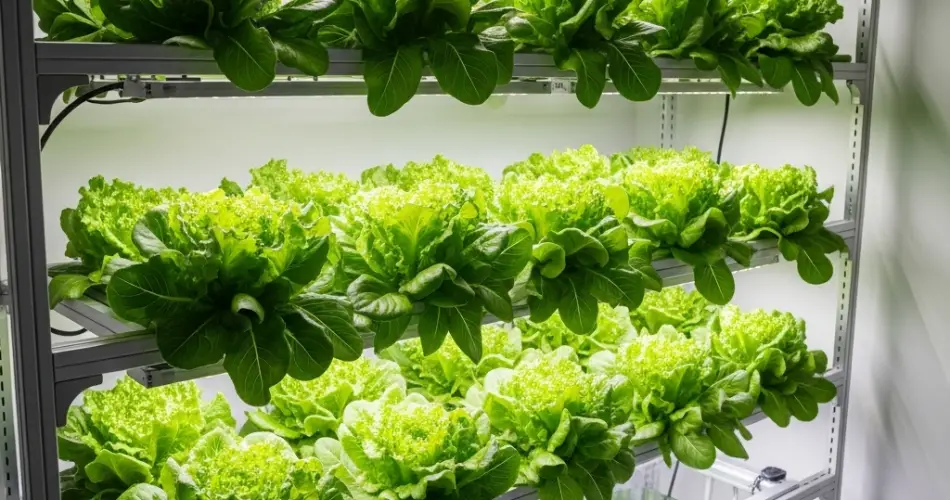
Lettuce is one of the easiest and most rewarding vegetables to grow indoors. With the right setup, you can enjoy a fresh, continuous supply of crisp, flavorful greens straight from your kitchen counter or windowsill. Even if you don’t have a backyard or balcony, indoor lettuce growing is entirely possible—and surprisingly simple.
Whether you’re growing leafy greens for salads, sandwiches, or garnishes, here’s how to grow lettuce indoors in a way that’s sure to surprise you with just how fast and satisfying it can be.
Why Grow Lettuce Indoors?
Lettuce is a cool-season crop that thrives in moderate temperatures and doesn’t need intense sunlight, making it an ideal candidate for indoor growing. It also matures quickly—some varieties can be ready to harvest in as little as 3 to 4 weeks.
Indoor growing means you’re not limited by the weather, and you avoid outdoor pests and unpredictable conditions. Plus, you’ll have fresh, pesticide-free greens right at your fingertips whenever you need them.
Step 1: Choose the Right Variety
Different types of lettuce grow well indoors, but some varieties are particularly well-suited for container and indoor gardening:
-
Loose-leaf lettuces like Green Salad Bowl, Black Seeded Simpson, or Red Sails grow quickly and are ideal for harvesting individual leaves over time.
-
Butterhead lettuces such as Bibb and Boston are compact and have soft, tender leaves.
-
Romaine varieties like Little Gem are upright and space-efficient.
Stick to compact, fast-growing types for best results indoors.
Step 2: Select Containers with Good Drainage
Lettuce has shallow roots, so it doesn’t require deep containers. However, good drainage is essential. Choose containers that are 6 to 8 inches deep, with plenty of drainage holes at the bottom.
You can use window boxes, recycled containers, plastic pots, or even repurposed food containers—as long as they’re clean and have proper drainage. A tray underneath helps catch excess water and protects indoor surfaces.
Step 3: Use the Right Potting Mix
The best soil for lettuce is light, fluffy, and rich in organic matter. Use a high-quality potting mix—not garden soil—as it ensures good drainage and aeration.
You can improve your potting mix with additions like:
-
Compost for nutrients
-
Coconut coir or peat moss to retain moisture
-
Perlite or vermiculite for added aeration
Lettuce prefers a slightly acidic to neutral pH, between 6.0 and 7.0.
Step 4: Provide Sufficient Light
Lettuce grows best with 10–14 hours of light per day. If you have a bright south- or east-facing window, place your containers there. However, during winter or in low-light homes, supplemental lighting is often necessary.
Use a full-spectrum LED grow light, placing it 4–6 inches above the plants. Set a timer to simulate day and night cycles—this promotes steady, healthy growth.
Without enough light, lettuce can become leggy, pale, and slow to grow.
Step 5: Planting Seeds or Seedlings
Start with seeds or small nursery seedlings. If sowing seeds:
-
Scatter them evenly across the surface of the potting mix.
-
Lightly cover with a thin layer of soil.
-
Mist with water gently to moisten the surface.
-
Keep the container in a warm area (around 65–70°F / 18–21°C) until seeds germinate—typically within 7 to 10 days.
Once seedlings are about 2 inches tall, thin them to allow 2–4 inches of space between each plant.
Step 6: Watering and Maintenance
Lettuce enjoys consistently moist soil, but it should never be soggy. Overwatering can lead to root rot and fungal problems.
Water when the top inch of soil feels dry. Use a watering can with a narrow spout to avoid splashing the leaves, and always allow excess water to drain freely.
Indoor environments can dry out quickly, especially in heated rooms, so check soil moisture daily. You can also use a humidity tray or mist occasionally to help maintain the right balance.
Step 7: Feeding Your Indoor Lettuce
Lettuce is not a heavy feeder, but indoor containers can become nutrient-depleted over time. Feed your lettuce every 2 to 3 weeks with a diluted liquid organic fertilizer, such as fish emulsion or seaweed extract.
Avoid high-nitrogen fertilizers, which may lead to excessive leaf growth without improving taste or quality.
Step 8: Harvesting Your Lettuce
There are two main ways to harvest:
-
Cut-and-come-again: Snip outer leaves when they’re 3–5 inches long, leaving the center intact so the plant keeps growing.
-
Full-head harvest: Wait 4–6 weeks (depending on the variety), then cut the whole plant just above the soil.
Regular harvesting encourages more growth and gives you a steady supply of greens. For a continuous crop, stagger plantings every 2 weeks.
Final Thoughts
Growing lettuce indoors is an easy and rewarding project—even for beginners. With just a bit of light, water, and care, you’ll be surprised at how quickly and abundantly it grows. The fresh, crunchy leaves are perfect for salads, wraps, and garnishes, and they taste even better knowing they came from your own indoor garden.
Plus, there’s something special about snipping your own lettuce right before a meal—it’s freshness and flavor you simply can’t buy in a store.


