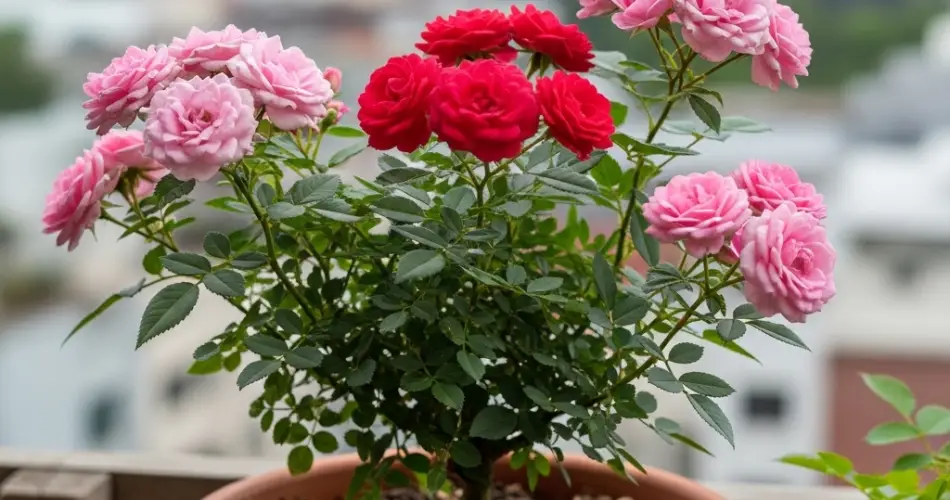
Roses are traditionally seen as garden showpieces, needing ample space and full sunlight to thrive. But what if you don’t have a big yard or even an outdoor garden? Good news—you can still grow beautiful, fragrant roses in compact spaces, even in a cozy corner of your house.
With the right choice of rose variety, container, and care routine, it’s entirely possible to cultivate stunning blooms indoors or on a small balcony. This guide will walk you through how to grow roses in small spaces with minimal fuss, turning a forgotten nook into a thriving flower haven.
Why Grow Roses in Small Spaces?
Many people assume roses are high-maintenance plants that require lots of room, but there are compact varieties perfectly suited for small-scale gardening. Growing roses indoors or in small outdoor spots offers several benefits:
-
Brings natural beauty and fragrance into your living space
-
Creates a relaxing, colorful corner with minimal effort
-
Avoids common outdoor rose pests
-
Gives you better control over light, water, and soil conditions
Whether you’re a novice or experienced gardener, these tips will help you grow roses even in the tiniest of spots.
Choosing the Right Rose Variety
Not all roses are created equal—especially when space is limited. For small spaces, select varieties that are naturally compact or bred specifically for container growing:
-
Miniature Roses: These are ideal for indoor growing. Despite their small size, they produce full, vibrant blooms.
-
Patio Roses: Slightly larger than miniature roses, perfect for pots on balconies or in sunny indoor corners.
-
Floribunda Roses: Some dwarf varieties can be grown in containers.
-
Groundcover Roses: These low-growing types are great for window boxes or wide planters.
Check the label or plant tag for terms like “container-friendly,” “compact,” or “dwarf.”
Preparing the Right Spot
Roses need sunlight, air circulation, and stable conditions to thrive. When growing them indoors or in small corners, these factors are key:
-
Light: Place the rose near a window that gets at least 6 hours of direct sunlight daily. South-facing windows are ideal.
-
Ventilation: Good airflow helps prevent fungal diseases. Avoid corners that are too enclosed or humid.
-
Temperature: Keep your rose in a stable environment (ideally 65–75°F / 18–24°C). Avoid drafty spots or heating vents.
If natural sunlight is limited, consider supplementing with a grow light to ensure healthy growth and flowering.
Choosing the Container
The container should be both functional and visually appealing since it will be part of your indoor decor.
-
Size: Choose a pot that is at least 10–12 inches deep and wide, with drainage holes at the bottom.
-
Material: Terracotta, ceramic, or plastic pots all work well. Make sure they allow for airflow and moisture regulation.
-
Tray: Use a tray underneath to catch excess water and protect your flooring.
As the plant matures, you may need to move it into a larger pot to accommodate root growth.
Soil and Planting
Roses need well-draining, nutrient-rich soil. Avoid using regular garden soil indoors, as it may be too heavy and could harbor pests.
-
Use a high-quality potting mix designed for roses or flowering plants.
-
Add a bit of perlite or vermiculite to improve drainage.
-
When planting, ensure the crown (where the stem meets the roots) is level with the soil surface.
Water thoroughly after planting to help settle the roots.
Watering and Feeding
Consistent watering is essential, but overwatering is a common mistake.
-
Water when the top inch of soil feels dry.
-
Ensure excess water drains completely to prevent root rot.
-
Mist the leaves occasionally to increase humidity, especially in dry indoor environments.
Feed your rose every 2–4 weeks during the growing season (spring to early autumn) with a balanced liquid fertilizer or one specifically for roses.
Pruning and Maintenance
Regular maintenance helps keep your rose healthy and blooming:
-
Deadhead spent blooms to encourage new flowers.
-
Prune lightly to shape the plant and remove any dead or yellowing leaves.
-
Clean the container and check for pests like aphids or spider mites.
If the plant becomes leggy, trim it back to encourage bushier growth.
Bloom and Enjoy
With proper care, your rose plant will bloom repeatedly throughout the season. Indoor roses might not produce as many flowers as outdoor ones, but they make up for it with charm, fragrance, and the joy of seeing them up close every day.
Place your blooming rose where you can enjoy it—a kitchen windowsill, living room corner, or bedroom ledge. Not only will it add natural beauty, but it also brings a sense of tranquility and life into your space.
Final Thoughts
Growing roses in a small corner of your home might seem like a gardening challenge, but with the right setup, it’s entirely doable—and deeply rewarding. Choose a compact variety, provide the proper light and care, and soon you’ll be enjoying beautiful blooms even without a garden.
It’s proof that even the smallest spaces can flourish with a little love and creativity.


