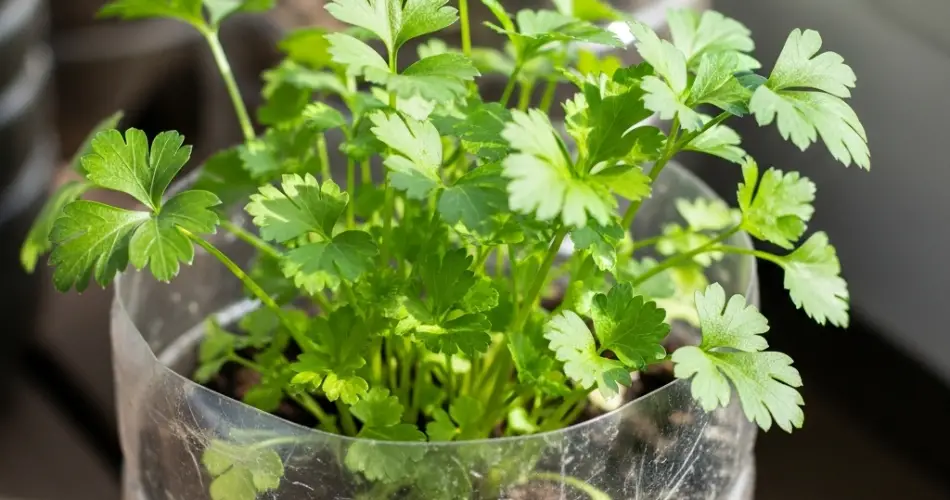
Parsley is a popular, versatile herb used in kitchens around the world. Whether you’re garnishing pasta, enhancing stews, or blending it into fresh sauces, parsley brings a bright, clean flavor to almost any dish. Best of all, it’s simple to grow at home—even in small spaces—using something as common as a recycled plastic bottle.
Growing parsley in plastic bottles is a sustainable, cost-effective way to keep fresh herbs within reach. Perfect for apartment dwellers, kitchen gardeners, or anyone looking to reduce waste, this method turns disposable containers into thriving green planters. With a little care and sunlight, you’ll have fresh, homegrown parsley ready for snipping all year long.
Why Grow Parsley in Plastic Bottles?
Reusing plastic bottles as planters offers both environmental and practical advantages. Bottles are lightweight, easy to shape, and compact enough for small spaces like windowsills or countertops. Parsley’s shallow root system makes it particularly well-suited for bottle gardening.
Benefits of growing parsley in bottles:
-
Reuses household plastic, reducing environmental waste
-
Saves money on buying herb pots or new containers
-
Ideal for small-space gardening or indoor herb setups
-
Easy to maintain and access for daily harvesting
-
Offers consistent supply of fresh, chemical-free herbs
Whether curled or flat-leaf (Italian) parsley, both varieties can thrive in a bottle with the right care.
What You’ll Need
To get started, collect the following materials:
-
1 clean plastic bottle (1.5–2 liters)
-
A pair of scissors or craft knife
-
Potting mix suitable for herbs (well-draining)
-
Parsley seeds or a small seedling
-
Small stones or mesh (optional, for drainage)
-
Watering can or spray bottle
-
Tray or shallow dish (to catch excess water)
Preparing the Bottle Planter
Choose between vertical or horizontal planter styles. For parsley, the vertical approach works best, especially when growing on a windowsill.
Steps:
-
Clean the bottle thoroughly and remove all labels.
-
Cut off the top third of the bottle. You’ll use the bottom two-thirds as your planter.
-
Poke small drainage holes in the bottom of the bottle using a pointed tool or heated nail.
-
Add a drainage layer of pebbles or mesh to keep roots from sitting in water (optional).
-
Fill with potting soil about an inch below the rim.
Use a potting mix designed for herbs, or blend regular soil with compost and perlite for better drainage.
Planting Parsley
Parsley can be grown from seeds or transplanted from nursery seedlings. Seeds take longer to germinate but are cost-effective and widely available.
-
From seeds: Soak them in warm water for 12–24 hours before sowing to speed up germination.
Sow them ¼ inch deep, cover lightly with soil, and mist gently. Germination may take 2–3 weeks. -
From seedlings: Carefully transfer the young plant to your bottle, ensuring the roots are covered and the base is secure.
Place your planter in a warm, bright location immediately after planting.
Light Requirements
Parsley prefers moderate to bright light and does well with 4–6 hours of sunlight per day. It also tolerates partial shade, making it perfect for indoor growing.
Ideal locations include:
-
A sunny kitchen windowsill
-
A balcony with morning sun
-
Under a grow light if sunlight is limited indoors
Rotate the planter every few days to encourage even growth and prevent the plant from leaning.
Watering and Feeding
Parsley likes consistently moist soil but is sensitive to overwatering. Allow the top layer to dry slightly between waterings.
Watering tips:
-
Keep the soil evenly moist, especially in hot or dry environments.
-
Water gently to avoid disturbing young roots.
-
Use a tray under the bottle to catch any excess and prevent messes indoors.
Fertilizing:
-
Feed with a diluted liquid fertilizer once every 4–6 weeks.
-
Organic compost tea or fish emulsion can work well for edible herbs.
-
Avoid overfeeding, which can lead to lush leaves with reduced flavor.
Harvesting Parsley
Once your parsley plant is around 6 inches tall, you can start harvesting the leaves.
Harvesting tips:
-
Use clean scissors to snip outer leaves from the base of the stem.
-
Leave the central leaves to encourage continued growth.
-
Never harvest more than one-third of the plant at a time.
-
Regular harvesting promotes a bushier, more productive plant.
Harvesting before flowering helps preserve the best flavor. If the plant bolts (flowers), leaves may become more bitter.
Common Issues and Fixes
-
Yellowing leaves: Often a sign of overwatering or poor drainage. Check your drainage holes and reduce watering.
-
Slow growth: Parsley grows slowly at first. Be patient, especially with seeds. Ensure the plant receives enough light and warmth.
-
Leggy or floppy stems: Usually due to low light. Move the plant to a brighter location or supplement with grow lights.
Conclusion
Growing parsley in recycled plastic bottles is a smart, sustainable gardening project that fits any lifestyle or living space. With just a little effort, you’ll be rewarded with a thriving herb that adds flavor, freshness, and greenery to your home. Whether you’re cooking up soups, sauces, or salads, your bottle-grown parsley will always be just a snip away.


