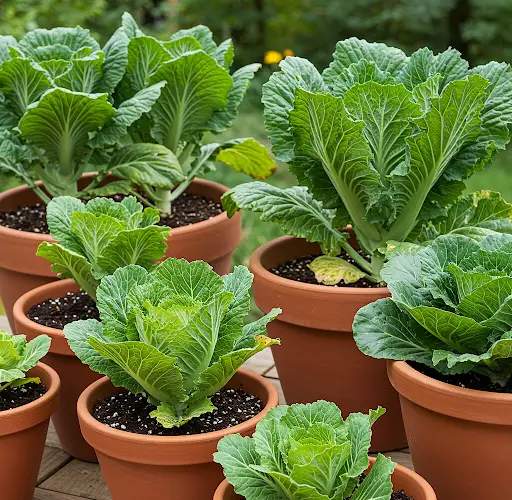
Napa cabbage, also known as Chinese cabbage, is a versatile and nutritious vegetable that thrives in cooler weather. With its mild flavor and crunchy texture, it’s a popular choice for stir-fries, salads, and kimchi. Growing Napa cabbage from seed in containers is an excellent option for gardeners with limited space. This guide will walk you through the steps of growing Napa cabbage from seed in pots, from planting to harvesting, so you can enjoy fresh, homegrown cabbage in no time.
Why Grow Napa Cabbage in Containers?
Growing Napa cabbage in pots has several advantages:
-
Space Efficiency – Napa cabbage can be grown in small spaces, such as patios, balconies, or even windowsills. Containers allow you to grow cabbage without needing a large garden.
-
Control over Growing Conditions – Containers allow you to control the quality of the soil, watering, and temperature, helping your cabbage thrive.
-
Mobility – Containers can be moved to optimize sunlight exposure or protect the plants from extreme weather.
-
Faster Growth – Since containers tend to warm up faster than the ground, Napa cabbage can grow more quickly in pots, allowing for earlier harvests.
What You’ll Need
Before starting, gather the following materials:
-
Napa cabbage seeds (available at garden centers or online)
-
Containers (at least 12 inches deep and wide enough for several plants)
-
Well-draining potting mix
-
Compost (optional, for added nutrients)
-
Fertilizer (optional)
-
Watering can or hose
-
A sunny location that receives at least 6 hours of direct sunlight per day
Step-by-Step Guide to Growing Napa Cabbage from Seed in Pots
1. Choose the Right Container
The key to successful container gardening is selecting the right pot or container. Napa cabbage has a deep root system, so choose a container that is at least 12 inches deep to allow proper root growth. The container should also be wide enough to accommodate multiple plants if desired.
-
Plastic, ceramic, or fabric containers are great choices, as long as they have drainage holes to allow excess water to escape.
-
A grow bag or large planter works well, too, as they provide ample space for the roots to grow and good drainage.
2. Prepare the Soil
Napa cabbage prefers rich, well-draining soil that is slightly acidic to neutral. You can use a good-quality potting mix that retains moisture but drains well. Adding compost can enhance the soil’s fertility and improve drainage.
-
Fill your container with the potting mix, leaving about 1 inch of space from the top.
-
If desired, mix in a slow-release fertilizer to provide extra nutrients for your cabbage. Follow the manufacturer’s instructions for proper amounts.
3. Plant the Napa Cabbage Seeds
Napa cabbage grows easily from seed. Follow these steps for successful planting:
-
Sow the seeds about 1/4 to 1/2 inch deep in the soil. Plant them about 1 inch apart in rows if you’re growing multiple plants in the same container.
-
Water gently to settle the seeds into the soil. Keep the soil consistently moist but not soggy during the germination period.
-
Place your container in a sunny location where it will receive at least 6 hours of sunlight per day.
Napa cabbage seeds typically germinate in 7–10 days. Once the seedlings emerge, keep the soil moist but not waterlogged.
4. Thin the Seedlings
As the Napa cabbage seedlings grow, they will need to be thinned out to prevent overcrowding. Thin the plants when they are about 2 inches tall to allow the remaining seedlings room to grow.
-
Remove the weaker plants by cutting them at the base with scissors or pruners. Space the remaining plants about 6–8 inches apart to ensure they have enough room to develop fully.
-
Proper spacing will help prevent the plants from competing for nutrients and allow them to grow larger, healthier heads.
5. Watering and Fertilizing
Napa cabbage needs consistent moisture to grow well. However, it’s important not to overwater, as this can lead to root rot.
-
Water regularly to keep the soil evenly moist. Ensure the container has good drainage to avoid waterlogging the soil.
-
Apply fertilizer every 4–6 weeks with a balanced, water-soluble fertilizer to encourage healthy growth. Napa cabbage is a heavy feeder, so providing nutrients throughout its growth cycle is essential.
6. Sunlight and Temperature
Napa cabbage grows best in cool weather and thrives in full sun. The ideal temperature for Napa cabbage is between 55–75°F. It can tolerate light frost, which can actually improve the flavor, but it doesn’t do well in hot weather.
-
Ensure your container gets at least 6 hours of direct sunlight each day. If you’re growing Napa cabbage indoors, place the container near a south-facing window or use grow lights to provide adequate light.
-
If growing in a warm climate, consider planting in early spring or fall when temperatures are cooler.
7. Pest Control and Maintenance
Napa cabbage is generally low-maintenance but can be susceptible to pests, such as aphids, caterpillars, and slugs. Keep an eye on your plants for signs of pests or disease.
-
Inspect leaves regularly and remove pests by hand or use organic pest control methods like neem oil.
-
Remove any yellowing or damaged leaves to keep the plant healthy and encourage new growth.
-
If growing indoors, be mindful of indoor pests like fungus gnats. Using a layer of diatomaceous earth on top of the soil can help control them.
8. Harvesting Napa Cabbage
Napa cabbage is ready to harvest when the heads are firm and compact. This typically occurs about 60–80 days after planting, depending on the variety.
-
To harvest, cut the cabbage heads off at the base using a sharp knife. Leave some of the outer leaves if you want to continue harvesting smaller leaves over time.
-
You can harvest the cabbage early for baby cabbage heads or let it grow fully for larger, mature heads.
Conclusion
Growing Napa cabbage from seed in pots is a rewarding and easy way to enjoy this nutritious, crisp vegetable at home. With the right container, soil, and care, you can grow fresh Napa cabbage even in limited spaces. Follow these simple steps for planting, watering, thinning, and harvesting, and you’ll be enjoying your homegrown Napa cabbage in no time.


