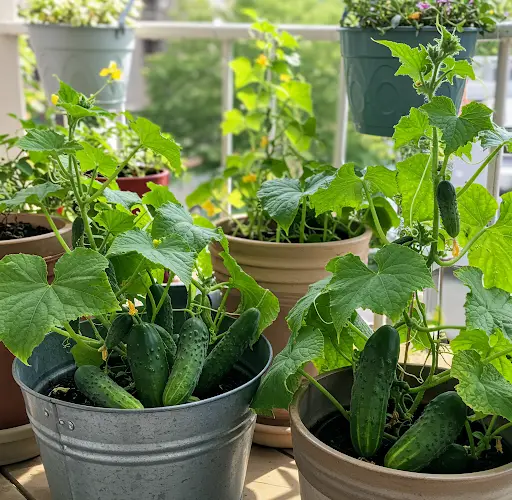
Cucumbers are a refreshing addition to any garden, and growing them in containers is an excellent way to enjoy this crisp vegetable even if you have limited space. With the right variety and care, you can grow cucumbers from seed in containers, especially bush cucumber varieties that are compact and perfect for small gardens or balconies.
In this guide, we’ll walk you through everything you need to know about growing cucumbers in containers from seed, including choosing the right variety, preparing the container, and caring for your plants throughout the growing season.
1. Choosing the Right Cucumber Variety for Containers
When growing cucumbers in containers, it’s essential to choose a bush-type cucumber variety rather than a sprawling vine variety. Bush cucumbers are more compact and require less space, making them perfect for container gardening.
Recommended bush cucumber varieties:
-
‘Bush Champion’: A small, space-saving variety that produces medium-sized cucumbers.
-
‘Patio Snacker’: Ideal for containers, this variety produces sweet, crunchy cucumbers.
-
‘Spacemaster’: A true bush cucumber that is perfect for container gardening, producing high yields in small spaces.
These varieties are specifically bred to grow in smaller spaces and are well-suited for container cultivation.
2. Selecting the Right Container
For successful cucumber growth, choose a container that is large enough to support the plant’s root system and provides good drainage. Since cucumbers need room to grow, a larger container will ensure healthy plants and high yields.
Recommended container size:
-
A 5-gallon container is a good starting point for a single cucumber plant. The container should have a diameter of at least 12-14 inches.
-
Ensure the container has drainage holes at the bottom to prevent water from accumulating, which can lead to root rot.
Materials like plastic, fabric pots, or large nursery containers are great options because they retain moisture and promote healthy root development.
3. Preparing the Soil
Cucumbers thrive in well-draining, fertile soil that is rich in organic matter. The soil should retain moisture but not become waterlogged. A good potting mix combined with organic compost provides the right balance of nutrients for cucumber growth.
Soil preparation:
-
Use a high-quality potting mix designed for vegetables.
-
Mix in compost or well-rotted manure to enrich the soil with essential nutrients.
-
Ensure the soil pH is slightly acidic to neutral, ideally between 6.0 and 7.0.
This combination of soil will provide a healthy environment for your cucumber plants to grow strong and produce fruit.
4. Sowing Cucumber Seeds
Cucumbers are typically started from seed, and with the right conditions, they’ll germinate quickly. It’s best to sow cucumber seeds directly in the container after the danger of frost has passed and the soil has warmed to at least 60°F (15°C).
Steps for sowing cucumber seeds:
-
Sow 2-3 seeds about 1 inch deep into the container.
-
Space the seeds about 2-3 inches apart to give the seedlings enough room to grow.
-
Water gently after planting to keep the soil moist but not soaking.
-
Place the container in a sunny spot where it will receive at least 6-8 hours of direct sunlight each day.
Cucumber seeds typically germinate within 7-10 days. Once the seedlings have a few sets of leaves, thin them out, leaving the strongest plant to grow.
5. Watering and Fertilizing
Cucumbers are known for their heavy water requirements, especially during the growing season. Keep the soil consistently moist but not soggy, as cucumbers have sensitive roots that can easily rot in waterlogged conditions.
Watering tips:
-
Water your cucumber plants deeply, ensuring the water reaches the root zone.
-
Water the soil directly, avoiding the leaves, to prevent diseases like powdery mildew.
-
During hot weather, cucumbers may need to be watered daily, but be sure the container drains properly to avoid standing water.
Fertilizing:
-
Cucumbers are heavy feeders and benefit from regular fertilization.
-
Use a balanced liquid fertilizer or organic compost every 2-3 weeks to promote healthy growth.
-
As the plants begin to flower, switch to a fertilizer with a higher potassium and phosphorus content to encourage fruit production.
6. Providing Support for Bush Cucumbers
Even though bush cucumber varieties are more compact, they can still benefit from some form of support to help the plant grow upwards and prevent the fruit from resting on the ground.
Support options:
-
Use a small tomato cage or a trellis placed inside the container to give the plant something to climb.
-
As the plant grows, gently guide the vines onto the support structure to keep the fruit off the soil, which helps prevent rot and makes harvesting easier.
7. Managing Pests and Diseases
Cucumbers are susceptible to pests like aphids, cucumber beetles, and whiteflies, as well as diseases such as powdery mildew. Keeping your plants healthy and monitoring them regularly will help prevent major pest or disease issues.
Pest control:
-
Aphids: Spray plants with a solution of water and dish soap to get rid of aphids.
-
Cucumber beetles: These pests can be controlled with row covers or insecticidal soap.
-
Powdery mildew: Avoid overhead watering, as this promotes fungal growth. Use a fungicide or remove infected leaves to manage outbreaks.
8. Harvesting Cucumbers
Cucumbers mature quickly, and the best time to harvest them is when they are young and tender. For bush cucumbers, this typically occurs 50-70 days after sowing, depending on the variety.
Harvesting tips:
-
Harvest cucumbers when they are about 6-8 inches long, before they become too large and bitter.
-
Use a sharp knife or pruning shears to cut the cucumbers from the vine to avoid damaging the plant.
-
Regular harvesting encourages more fruit production, so be sure to pick cucumbers frequently.
9. Final Tips for Growing Cucumbers in Containers
-
Sunlight: Cucumbers need full sunlight to thrive, so place the container in a location that receives plenty of light.
-
Space: Even bush cucumbers need some space, so ensure your container has adequate room for the plant to spread out.
-
Temperature: Cucumbers are heat-loving plants, so plant them once the soil has warmed up and frost is no longer a threat.
Conclusion
Growing cucumbers from seed in containers is a simple and effective way to enjoy fresh, homegrown cucumbers, even in small spaces. With the right care and attention, you can produce a bountiful harvest of delicious cucumbers from your container garden. By choosing the right variety, providing adequate sunlight, watering regularly, and managing pests, you’ll be able to enjoy these crunchy vegetables all season long.


